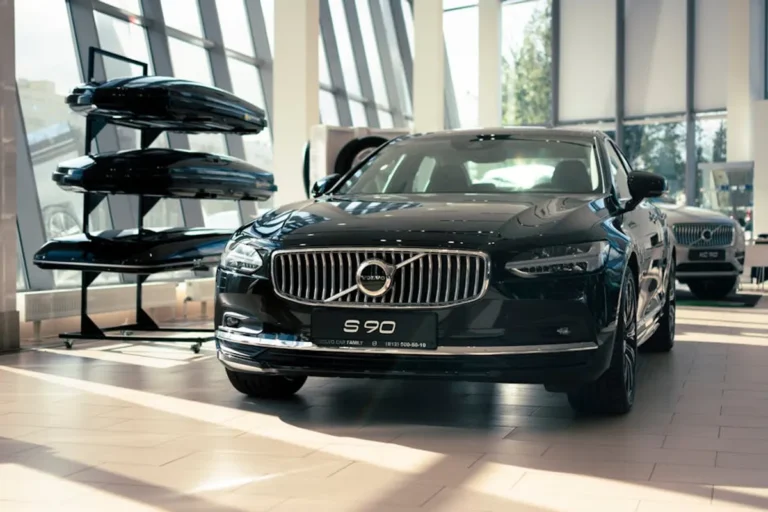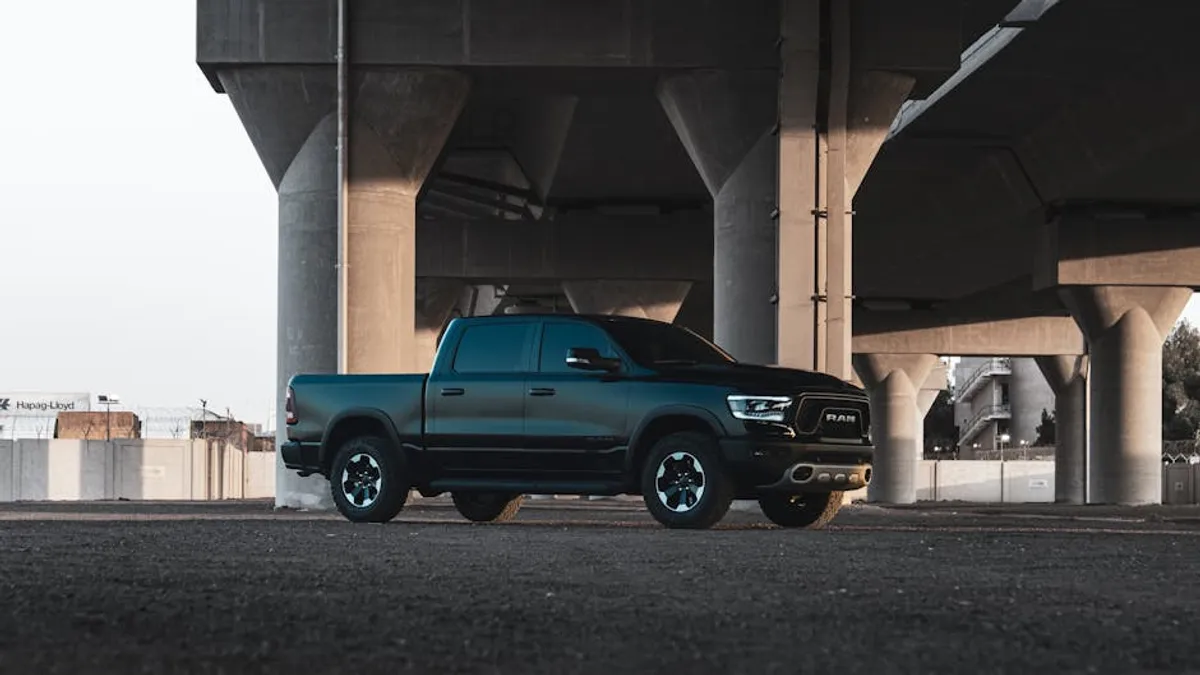
The decision between a Ram 1500 and a hybrid car represents a fundamental divergence in automotive priorities: uncompromised utility and robust capability versus optimized fuel efficiency and reduced environmental impact. This choice is less about one vehicle being inherently superior and more about aligning a purchase with specific lifestyle demands, operational needs, and long-term financial considerations. Understanding the core design principles and performance characteristics of each category is critical for making an informed decision that supports your daily routines and future plans.
Ram 1500: Engineered for Heavy Duty and High Capacity
The Ram 1500 is a full-size pickup truck, purpose-built for tasks demanding significant power, towing, and payload capacity. Its design prioritizes a durable frame, powerful engine options, and a versatile bed for cargo. Buyers typically choose a Ram 1500 for professional work, outdoor recreation requiring gear transport, or towing trailers and boats.
Core Capabilities and Performance
Ram 1500 models offer a range of powertrains, including the 3.6L Pentastar V6 with eTorque mild-hybrid technology, the 5.7L HEMI V8 (also available with eTorque), and the 3.0L EcoDiesel V6. These engines are paired with an 8-speed automatic transmission. The eTorque system, while improving efficiency slightly, does not transform the truck into a high-MPG vehicle; it primarily aids in torque delivery and smooth start/stop functionality.
- Towing Capacity: Depending on configuration, the Ram 1500 can tow up to 12,750 pounds. This capacity is critical for pulling large travel trailers, utility trailers with heavy equipment, or substantial boats.
- Payload Capacity: Maximum payload can reach approximately 2,300 pounds, allowing for the transport of significant weight in the truck bed, such as construction materials, landscaping supplies, or recreational gear.
- Off-Road Prowess: Many Ram 1500 trims offer advanced 4x4 systems, higher ground clearance, and specialized suspension components, making them suitable for navigating challenging terrain beyond paved roads.
- Cabin Space and Features: Modern Ram 1500 interiors offer extensive space, particularly in Crew Cab configurations, with premium materials and advanced infotainment systems, often rivaling luxury SUVs.
Hybrid Cars: Optimized for Efficiency and Lower Emissions
The term "hybrid car" encompasses a broad range of vehicles—sedans, SUVs, and crossovers—that combine a gasoline internal combustion engine with an electric motor and battery pack. Their primary objective is to improve fuel economy and reduce tailpipe emissions compared to their conventional gasoline-only counterparts. Hybrid technology is diverse, including mild hybrids, full hybrids, and plug-in hybrids (PHEVs), each offering different levels of electric-only driving capability and efficiency gains.
Efficiency and Drivability
Hybrid cars leverage electric power to assist the gasoline engine, recover energy through regenerative braking, and often allow for short distances of electric-only propulsion at lower speeds. This combination significantly boosts miles per gallon (MPG) ratings, especially in city driving where stop-and-go traffic allows for frequent energy recapture.
- Fuel Economy: Many hybrid sedans and compact SUVs achieve combined MPG ratings exceeding 40 MPG, with some models approaching or surpassing 50 MPG. PHEVs can offer even higher equivalent MPG figures and extended electric-only ranges (e.g., 20-50 miles) before the gasoline engine activates.
- Reduced Emissions: By consuming less fuel and utilizing electric power, hybrid cars produce lower levels of greenhouse gases and other pollutants.
- Smooth Operation: The integration of electric motors often results in smoother acceleration from a standstill and quieter operation at low speeds when running solely on electric power.
- Diverse Body Styles: Hybrid powertrains are available across almost every vehicle segment, from compact sedans to mid-size SUVs, offering choices for various passenger and cargo needs without the footprint of a full-size truck.
Comparing Performance and Operating Costs
Performance metrics differ fundamentally between these vehicle types. The Ram 1500 delivers robust torque and horsepower for demanding physical tasks. Its acceleration, while strong for a truck, is secondary to its utility. Hybrid cars, conversely, prioritize smooth, economical acceleration for daily commuting. While some performance-oriented hybrids exist, their power delivery is typically optimized for efficiency rather than raw hauling capability. When comparing performance, it's also worth considering how EV pickup trucks versus these alternatives stack up in terms of power and efficiency.
Operating costs are a significant differentiator. A Ram 1500, even with eTorque, will generally incur substantially higher fuel costs due to its larger engine displacement, greater weight, and aerodynamic profile. Fuel economy for a Ram 1500 typically ranges from 18-25 MPG combined, depending on the engine and drivetrain. Hybrid cars, with their higher MPG figures, will offer considerable savings at the pump over the vehicle's lifespan. Maintenance costs for both vehicle types include standard wear items like tires, brakes, and oil changes. Hybrid-specific components, particularly the battery pack, are designed for the life of the vehicle and often come with extended warranties (e.g., 8 years/100,000 miles or more), making long-term replacement less of an immediate concern for most owners. The significant difference in fuel costs between trucks versus hybrid vehicles is a major factor for many buyers.
Pro Tip: Evaluate your actual usage patterns over a typical week or month. If your primary need is occasional towing of a 5,000-pound trailer or regular transport of heavy materials, a Ram 1500 is the practical choice. If 90% of your driving involves solo commuting and light errands, the fuel savings and smaller footprint of a hybrid car will likely yield greater long-term value.
Environmental Footprint and Resale Value
From an environmental perspective, hybrid cars have a clear advantage due to their lower fuel consumption and reduced tailpipe emissions. For buyers prioritizing a smaller carbon footprint, a hybrid or plug-in hybrid is the more responsible option. The Ram 1500, while continuously improving its efficiency, remains a vehicle with a larger environmental impact due to its size and power requirements.
Resale value for both categories tends to be strong, though for different reasons. Full-size pickup trucks like the Ram 1500 maintain high demand due to their utility, durability, and versatility, leading to robust resale values, especially for well-maintained models. Hybrid cars also command good resale value, driven by persistent consumer demand for fuel efficiency and lower operating costs, particularly during periods of high fuel prices. The specific model, condition, and market trends will ultimately dictate the exact resale value for any individual vehicle.
Aligning Your Purchase with Practical Needs
The choice between a Ram 1500 and a hybrid car is not a direct comparison of equals but rather a selection between two distinct automotive solutions. Your decision should be guided by a clear assessment of your primary vehicle requirements, budget, and personal values.
- Consider your primary use: Do you regularly tow, haul, or require significant ground clearance? Or is your driving predominantly urban commuting, highway travel, and light cargo transport?
- Evaluate long-term costs: Factor in not just the purchase price, but also fuel, insurance, and potential maintenance over several years.
- Assess parking and maneuverability: A full-size truck demands more space for parking and can be less agile in congested urban environments compared to most hybrid cars.
- Reflect on environmental impact: If minimizing fuel consumption and emissions is a high priority, a hybrid car offers a more direct solution.
Ultimately, the "better" vehicle is the one that most effectively meets your specific needs without excessive compromise. A Ram 1500 excels in capability and ruggedness, while hybrid cars lead in efficiency and environmental consideration.
Frequently Asked Questions
What is the main advantage of a Ram 1500 over a hybrid car?
The primary advantage of a Ram 1500 is its superior capability for towing heavy loads, hauling significant cargo in its bed, and navigating challenging off-road conditions, tasks for which most hybrid cars are not designed.
Can a hybrid car tow a small trailer?
Some hybrid SUVs and crossovers have modest towing capacities, typically ranging from 1,500 to 3,500 pounds, suitable for small utility trailers, jet skis, or lightweight campers. This is significantly less than a Ram 1500's capacity.
Are hybrid cars more expensive to maintain than a Ram 1500?
Routine maintenance costs for hybrid cars are generally comparable to conventional gasoline vehicles. While hybrid battery replacement can be costly, these batteries are designed for long lifespans and are often covered by extended warranties, making it an infrequent concern for most owners.
Is a Ram 1500 practical for daily city driving?
While a Ram 1500 can be driven daily in a city, its larger size can make parking and maneuvering in tight spaces challenging. Its lower fuel economy in stop-and-go traffic also means higher operating costs compared to a more compact, efficient hybrid car.