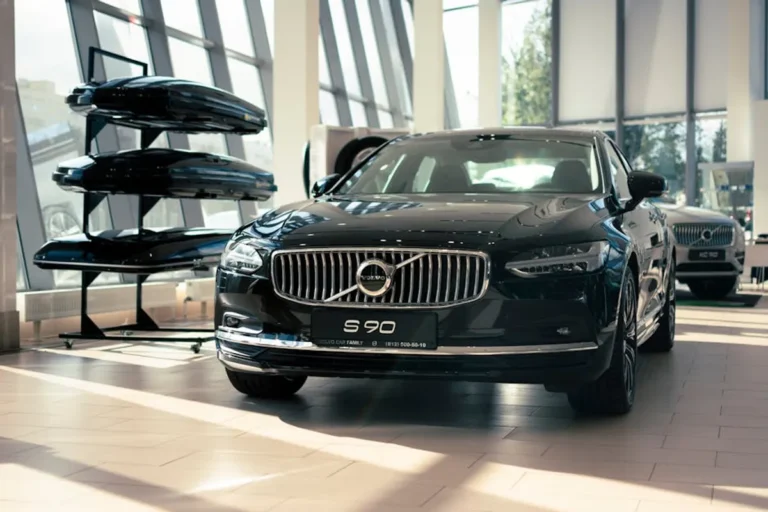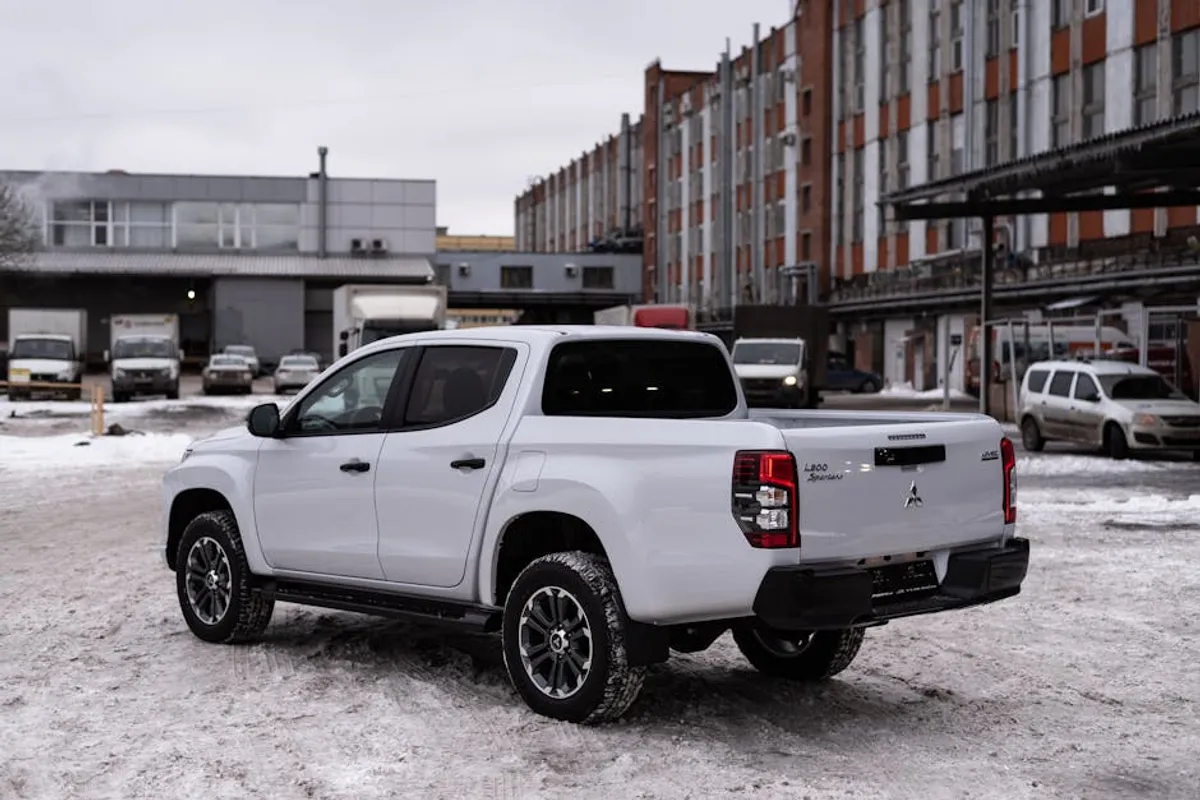
The automotive landscape is rapidly evolving, presenting buyers with a growing array of powertrain options beyond traditional gasoline engines. For many, the choice boils down to balancing capability, efficiency, and environmental impact. Two prominent contenders in this shift are electric vehicle (EV) pickup trucks and hybrid cars. While both offer a departure from conventional internal combustion engines, they cater to distinct priorities and use cases. Understanding the fundamental differences in their design, performance, and ownership experience is critical for making an informed purchase decision.
Understanding the Core Differences
EV pickup trucks represent a significant leap in automotive technology, offering fully electric powertrains designed for utility and power. They operate solely on battery power, producing zero tailpipe emissions. Hybrid cars, conversely, combine a gasoline engine with an electric motor and a smaller battery pack. This allows them to achieve improved fuel economy and reduced emissions compared to gasoline-only vehicles, without relying solely on charging infrastructure.
EV Pickup Trucks: These vehicles are built for demanding tasks, often featuring robust chassis, high torque output, and substantial towing capacities. Their electric motors deliver instant torque, providing rapid acceleration and impressive pulling power. The battery packs are large, enabling considerable range, but also contributing to higher vehicle weight and longer charging times.
Hybrid Cars: Designed primarily for passenger transport and fuel efficiency, hybrid cars use their electric components to assist the gasoline engine, particularly during acceleration and low-speed driving. Some hybrids can operate on electric power alone for short distances or at low speeds, while plug-in hybrids (PHEVs) offer a larger battery for extended electric-only range, rechargeable via an external power source.
Performance and Practicality
Towing and Hauling Capability
EV pickup trucks often lead in raw towing and hauling metrics due to the inherent characteristics of electric motors. Their immediate, high torque delivery makes them well-suited for pulling heavy loads. Many models also offer innovative features like onboard power outlets, allowing them to function as mobile generators for tools or campsites. Payload capacities are typically comparable to or exceed their gasoline counterparts, though the battery weight can sometimes factor into the overall payload calculation.
Hybrid cars, while efficient, are generally not engineered for heavy-duty towing or significant hauling. Their powertrains are optimized for fuel economy, and while some hybrid SUVs or crossovers may offer modest towing capabilities, they do not compete with the utility of a dedicated pickup truck, whether EV or gasoline.
Daily Driving and Range
For daily commuting and general driving, both vehicle types offer distinct experiences. EV pickup trucks provide a quiet, smooth ride with rapid acceleration, which can be surprising for their size. Their range is typically substantial, often exceeding 250-300 miles on a full charge, making them suitable for most daily routines and even longer trips, provided charging infrastructure is available. However, towing significantly impacts EV range, often reducing it by 30-50% depending on load and terrain.
Hybrid cars excel in urban environments, where their electric motors can frequently take over, saving fuel in stop-and-go traffic. Their combined gasoline and electric range often surpasses that of pure EVs, as they can be refueled at any conventional gas station. This eliminates "range anxiety" for many drivers, as the gasoline engine acts as a reliable backup. Plug-in hybrids offer the best of both, providing a daily electric-only commute with the flexibility of a gasoline engine for longer journeys.
Cost of Ownership and Infrastructure
Initial Purchase Price
EV pickup trucks generally carry a higher upfront purchase price compared to most hybrid cars. This is primarily due to the cost of large battery packs and the advanced technology involved in their design and manufacturing. However, government incentives, such as federal tax credits or state rebates, can significantly offset this initial cost for eligible buyers.
Hybrid cars typically have a more accessible entry price point, often falling between their conventional gasoline counterparts and pure EVs. Plug-in hybrids tend to be more expensive than standard hybrids but may also qualify for similar incentives as full EVs, depending on battery size and local regulations.
Operating Expenses
Operating costs differ significantly. EV pickup trucks eliminate gasoline expenses entirely, replacing them with electricity costs. Charging at home during off-peak hours can be substantially cheaper per mile than gasoline. Maintenance costs are also generally lower for EVs due to fewer moving parts (no oil changes, spark plugs, or complex exhaust systems). However, tire wear can be higher due to the heavier vehicle weight and instant torque.
Hybrid cars reduce fuel consumption compared to gasoline vehicles, leading to lower ongoing fuel costs. Maintenance schedules are similar to gasoline cars, as they still have an internal combustion engine requiring regular service. While they save on gas, they don't eliminate the need for it, meaning they still incur fuel expenses.
Charging vs. Refueling
The infrastructure for each vehicle type is a primary consideration. EV pickup trucks rely on charging stations. Home charging (Level 2) is convenient for overnight top-ups, while public DC fast chargers offer quicker, but often more expensive, charging on the go. The availability of charging infrastructure, especially for long-distance travel or in rural areas, can be a limiting factor.
Pro Tip: Before committing to an EV pickup, meticulously map out your typical long-distance routes and assess the availability of DC fast charging stations along those corridors. Relying solely on Level 2 charging for extensive travel can lead to significant delays and frustration, especially when towing.
Hybrid cars, including plug-in hybrids, benefit from the ubiquitous gasoline station network. Refueling is fast and familiar. For PHEVs, the option to plug in at home or public Level 2 chargers provides the benefit of electric-only driving for daily needs, reducing gasoline consumption without the dependency on charging infrastructure for all trips.
Environmental Considerations
Both vehicle types offer environmental benefits over traditional gasoline vehicles, but their impact differs. EV pickup trucks produce zero tailpipe emissions, directly contributing to improved local air quality. The overall environmental footprint, however, depends on the source of electricity used for charging and the manufacturing process of the battery, which can be resource-intensive.
Hybrid cars reduce greenhouse gas emissions and smog-forming pollutants compared to conventional gasoline vehicles. While they still have tailpipe emissions, their improved fuel efficiency means less fuel burned overall. Plug-in hybrids further reduce emissions by allowing for significant electric-only driving, especially if charged with renewable energy.
Making Your Decision
The choice between an EV pickup truck and a hybrid car hinges on your specific needs, driving habits, and priorities. Consider the following factors:
- Primary Use Case: Do you frequently tow heavy loads, haul materials, or require off-grid power? An EV pickup is likely more suitable. For daily commuting, family transport, or occasional light utility, a hybrid car typically suffices.
- Budget: Evaluate not just the purchase price but the total cost of ownership over several years, including fuel/electricity, maintenance, and potential incentives.
- Driving Range and Infrastructure Access: How far do you typically drive? Is charging infrastructure readily available at home, work, and along your common routes? If not, a hybrid's flexibility with gasoline fueling might be more practical.
- Environmental Priorities: If zero tailpipe emissions are paramount, an EV pickup is the clear choice. If reducing overall fuel consumption and emissions while maintaining range flexibility is key, a hybrid or plug-in hybrid offers a strong compromise.
- Lifestyle Integration: How will the vehicle fit into your daily routine? Can you accommodate charging times for an EV, or do you need the quick refueling of a hybrid?
Your Next Steps for an Informed Purchase
To finalize your decision, conduct a thorough personal assessment. Test drive both an EV pickup truck and a hybrid car to experience their driving dynamics and features firsthand. Research available incentives in your region, as these can significantly alter the financial equation. Calculate your estimated charging costs versus gasoline costs based on your local utility rates and fuel prices. Ultimately, the "better" choice is the one that aligns most closely with your individual requirements and preferences, providing the most practical and satisfying ownership experience for your unique situation.
Frequently Asked Questions
Are EV pickup trucks truly as capable as gasoline pickups for towing?
Yes, EV pickups often match or exceed gasoline pickups in towing capacity and torque. However, towing significantly reduces their electric range, requiring more frequent charging stops than refueling a gasoline truck.
Do hybrid cars require special maintenance?
Hybrid cars generally follow similar maintenance schedules to gasoline vehicles for their internal combustion engine components. The electric motor and battery system typically require less maintenance than the gasoline engine, but specific checks for the hybrid system may be part of routine service.
Can I charge an EV pickup truck at a regular household outlet?
Yes, you can charge an EV pickup truck using a standard 120V household outlet (Level 1 charging), but it is very slow, often adding only 2-5 miles of range per hour. A 240V (Level 2) charger, similar to an electric dryer outlet, is highly recommended for practical home charging.
What is the typical lifespan of a hybrid car battery?
Hybrid car batteries are designed to last the lifetime of the vehicle, often coming with warranties of 8 years or 100,000 miles, and sometimes longer in certain states. Replacements are uncommon but can be costly if needed outside of warranty.