The decision between purchasing a hybrid car and a Toyota Tundra represents a fundamental divergence in vehicle utility and ownership priorities. On one side, hybrid cars offer a range of body styles focused on fuel efficiency, reduced emissions, and often a more refined daily driving experience. On the other, the Toyota Tundra stands as a full-size pickup truck engineered for substantial towing, hauling, and rugged capability, prioritizing raw power and utility over fuel economy. This choice is not about identifying a superior vehicle, but rather aligning a vehicle's core design with specific lifestyle demands, work requirements, and environmental considerations. This choice is not about identifying a superior vehicle, but rather aligning a vehicle's core design with specific needs, whether that involves comparing off-road trucks versus the Toyota Tundra for rugged use.
Hybrid Cars: Efficiency and Environmental Considerations
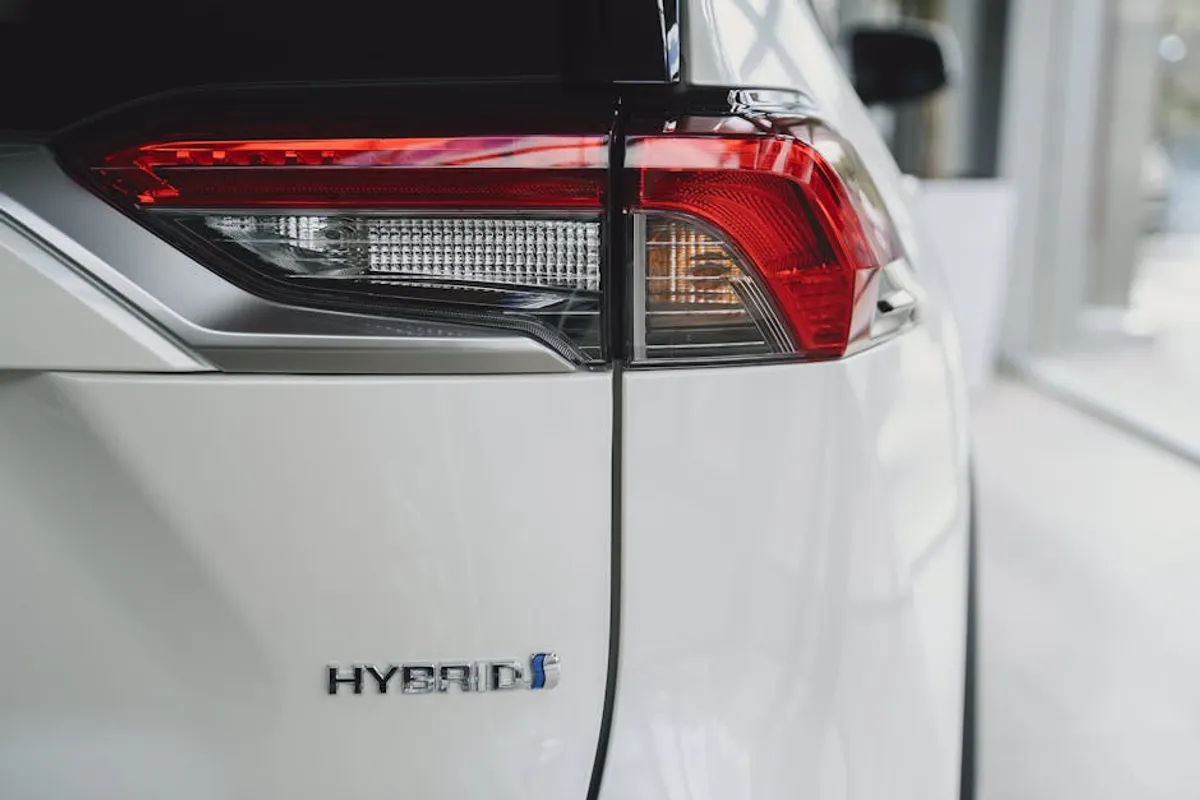
Hybrid vehicles integrate an internal combustion engine with an electric motor and battery pack, designed to optimize fuel consumption and reduce tailpipe emissions. This powertrain configuration allows for electric-only propulsion at low speeds, regenerative braking to recharge the battery, and combined power delivery for acceleration. The primary appeal of hybrid cars lies in their operational cost savings and environmental footprint.
Fuel Economy and Operating Costs
Hybrid cars consistently deliver superior fuel economy compared to traditional gasoline-only vehicles, particularly in stop-and-go city driving where the electric motor can operate more frequently. This translates directly into lower fuel expenses over the vehicle's lifespan. While the initial purchase price for a hybrid can sometimes be marginally higher than a conventional counterpart, these costs are often offset by fuel savings, especially with fluctuating gasoline prices. Maintenance schedules are typically similar to conventional vehicles, though the high-voltage battery pack is a specific component with a finite lifespan, often covered by extended warranties.
Environmental Impact and Urban Driving
By consuming less fuel and utilizing electric propulsion, hybrid cars produce fewer greenhouse gas emissions and pollutants. This factor is significant for buyers prioritizing environmental responsibility or living in areas with strict emissions regulations. Their quiet electric-only mode enhances the urban driving experience, reducing noise pollution. The compact nature of most hybrid cars also offers better maneuverability and easier parking in congested city environments.
Range of Hybrid Options
The hybrid category is diverse, encompassing a wide array of vehicle types to suit various needs:
- Hybrid Sedans: Offer excellent fuel economy for commuters and small families.
- Hybrid SUVs and Crossovers: Provide increased cargo space, higher seating positions, and all-wheel-drive options, balancing utility with efficiency.
- Plug-in Hybrid Electric Vehicles (PHEVs): Feature larger batteries allowing for significant electric-only range before the gasoline engine activates, offering a bridge between conventional hybrids and full EVs.
This variety means that a buyer can often find a hybrid vehicle that meets specific passenger and cargo requirements without compromising on fuel efficiency.
Toyota Tundra: Power, Utility, and Durability
The Toyota Tundra is a full-size pickup truck built for demanding tasks. Its design emphasizes robust construction, powerful engine options, and a spacious, functional interior. The Tundra's capabilities are centered around its ability to perform heavy-duty work and handle challenging terrains, making it a distinct proposition from any hybrid car.
Towing, Hauling, and Payload Capacity
The Tundra's core strength lies in its substantial towing and hauling capacities. Equipped with powerful V8 or modern twin-turbo V6 engines, it is engineered to pull large trailers, boats, or campers with confidence. Its truck bed provides ample space and payload capacity for transporting construction materials, equipment, or recreational gear. For individuals whose work or leisure activities regularly involve moving heavy loads, the Tundra's capabilities are non-negotiable.
Off-Road Capability and Durability
Toyota has a reputation for building durable and reliable vehicles, and the Tundra is no exception. Its body-on-frame construction provides a solid foundation for rugged use, including off-road excursions. Depending on the trim level (e.g., TRD Pro), the Tundra offers enhanced suspension, ground clearance, and specialized traction systems designed to navigate challenging unpaved roads, trails, or worksites. This inherent toughness makes it suitable for environments where less robust vehicles would struggle.
Size and Maneuverability Considerations
The Tundra's full-size dimensions, while advantageous for utility, present considerations for daily driving. Its length and width require more space for parking and maneuvering, particularly in crowded urban areas or tight parking garages. Fuel consumption is significantly higher than any hybrid car, reflecting its larger engine displacement and weight. These factors contribute to higher operational costs, primarily through fuel expenses, and influence the overall driving experience in non-utility contexts.
Key Decision Factors
Primary Use Case
Hybrid Cars: Best for daily commuting, urban driving, families needing efficient transport, and those who prioritize lower running costs and environmental impact.
Toyota Tundra: Essential for towing heavy loads, hauling significant cargo, off-road adventures, and professions requiring a robust workhorse.
Budget and Long-Term Costs
Hybrid Cars: Often lower fuel costs, potentially higher initial purchase price offset by savings. Insurance and maintenance are generally comparable to conventional cars, with specific battery considerations.
Toyota Tundra: Higher fuel costs due to lower MPG, potentially higher insurance for a large truck. Maintenance costs are typical for a full-size truck, with larger tires and components.
Environmental Priorities
Hybrid Cars: Significantly lower carbon footprint and reduced emissions, aligning with eco-conscious purchasing decisions.
Toyota Tundra: Higher emissions and fuel consumption inherent to its size and power, which may be a trade-off for its utility.
Lifestyle and Family Needs
Hybrid Cars: Ideal for families seeking efficient, comfortable, and versatile daily transport with various seating and cargo configurations.
Toyota Tundra: Suited for individuals or families with active outdoor lifestyles involving large gear, boats, or RVs, or for those whose work demands truck capabilities.
Pro Tip: Accurately assess your actual towing and payload needs. Many buyers overestimate the capacity they genuinely require, leading to unnecessary fuel consumption and vehicle size. Consult the vehicle's specific owner's manual or manufacturer's specifications for precise limits, as these can vary significantly by configuration.
Comparative Overview
To summarize the fundamental differences:
- Fuel Efficiency: Hybrid cars offer superior MPG, especially in city driving; Tundra has significantly lower MPG.
- Utility: Tundra excels in towing, hauling, and payload; hybrid cars offer versatile cargo space but limited heavy-duty capability.
- Environmental Impact: Hybrid cars have lower emissions; Tundra has a larger carbon footprint.
- Driving Experience: Hybrid cars offer a quieter, smoother, and more maneuverable ride in urban settings; Tundra provides a commanding view, robust feel, and off-road prowess.
- Cost Implications: Hybrid cars typically have lower operating costs (fuel); Tundra has higher operating costs but delivers unmatched work capability.
Making Your Final Choice
The decision between a hybrid car and a Toyota Tundra hinges entirely on your primary needs and priorities. If your daily routine involves commuting, urban driving, and general family transport, with a strong emphasis on fuel economy and environmental responsibility, a hybrid car offers a practical and cost-effective solution. The variety within the hybrid segment ensures options for different passenger and cargo requirements.
Conversely, if your work or lifestyle frequently requires towing heavy trailers, hauling substantial cargo, navigating unpaved roads, or demanding a vehicle with inherent ruggedness and durability, the Toyota Tundra is engineered specifically for these tasks. Its capabilities are unparalleled by any hybrid car, making it the only viable choice for specific utility-driven applications. Consider test driving both types of vehicles to experience their distinct characteristics firsthand, and carefully review their specifications against your most frequent and demanding use cases.
Frequently Asked Questions
Are hybrid cars more expensive to maintain than gasoline cars?
Modern hybrid cars generally have similar maintenance schedules to conventional gasoline vehicles. While the high-voltage battery pack is a unique component, it is often designed to last the life of the vehicle and is typically covered by an extended warranty, often 8-10 years or 100,000-150,000 miles.
Can a Toyota Tundra be used as a daily commuter vehicle?
Yes, a Toyota Tundra can function as a daily commuter, especially for those who appreciate its commanding driving position and spacious interior. However, its larger size can make urban maneuvering and parking more challenging, and its lower fuel economy will result in significantly higher fuel costs compared to a hybrid car for commuting purposes.
Do hybrid cars perform well in cold weather?
Hybrid cars generally perform well in cold weather, though their fuel efficiency may decrease slightly due to the battery operating less efficiently and the gasoline engine running more often to generate heat. Modern hybrid systems are designed to manage battery performance across a range of temperatures.
What is the typical lifespan of a Toyota Tundra?
Toyota Tundras are known for their durability and reliability, with many owners reporting them lasting well over 200,000 or even 300,000 miles with proper maintenance. Their robust construction and proven powertrains contribute to a long operational lifespan, making them a common choice for long-term utility.