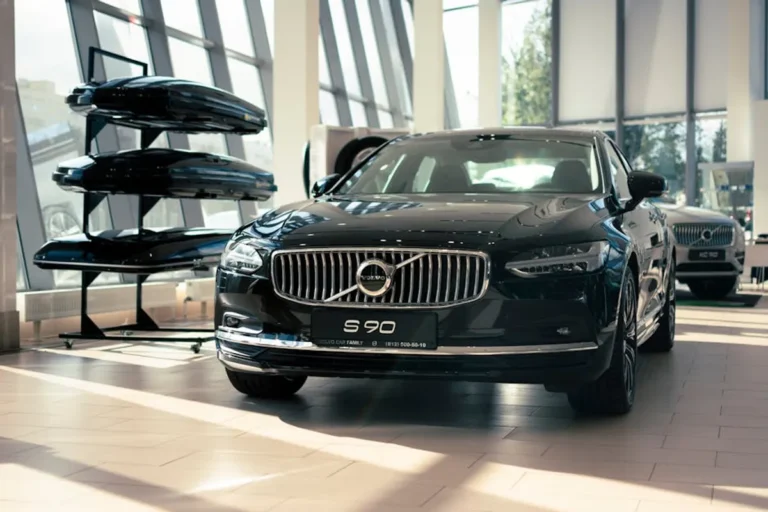
Deciding between an off-road truck and a hybrid car represents a fundamental divergence in vehicle utility and ownership priorities. This choice is less about a simple preference and more about aligning a vehicle with specific lifestyle demands, financial realities, and environmental considerations. Off-road trucks are engineered for robust capability, often prioritizing towing, hauling, and navigating challenging terrain. Hybrid cars, conversely, are designed for fuel efficiency, reduced emissions, and a refined on-road driving experience. Understanding the core attributes and long-term implications of each vehicle type is crucial for making an informed purchase that genuinely serves your needs. This comparison becomes even more relevant when considering the rise of EV pickup trucks vs hybrid cars, each offering distinct advantages for different consumers.
Off-Road Trucks: Capability and Considerations
Off-road trucks are built on body-on-frame architectures, providing a robust foundation for heavy-duty tasks and rugged environments. Their defining characteristics center on utility and resilience:
- Towing and Hauling Capacity: These vehicles excel at moving substantial loads, whether it's a boat, a camper, or construction materials. Payload capacities often range from 1,500 to over 3,000 pounds, with towing capacities frequently exceeding 10,000 pounds in full-size models. This capability is a primary driver for many truck buyers.
- Terrain Navigation: Equipped with higher ground clearance, four-wheel drive (4WD) or all-wheel drive (AWD) systems, and specialized suspension components, off-road trucks are designed to traverse unpaved roads, mud, snow, and rocky trails. Features like locking differentials, skid plates, and all-terrain tires enhance their ability to maintain traction and protect vital components in harsh conditions.
- Durability and Construction: The heavy-duty components and robust chassis contribute to a vehicle that can withstand significant wear and tear. This durability extends to their often utilitarian interiors, built to endure dirt, spills, and heavy use.
- Fuel Economy: Due to their larger engines, heavier frames, and often less aerodynamic designs, off-road trucks typically exhibit lower fuel efficiency compared to sedans or hybrids. Buyers should factor in higher fuel costs as a consistent operational expense.
- Maintenance and Operational Costs: While designed for durability, replacement parts for heavy-duty components can be more expensive. Tires, especially all-terrain or mud-terrain options, also carry a higher price point and may wear faster than standard road tires. Insurance premiums can also be higher due to vehicle value and potential repair costs.
Best for: Individuals or businesses requiring significant towing/hauling capabilities, frequent travel on unpaved or challenging roads, or those who value a commanding driving position and robust utility for outdoor activities or work.
Hybrid Cars: Efficiency and Everyday Driving
Hybrid cars integrate a gasoline engine with an electric motor and battery system, primarily to improve fuel efficiency and reduce emissions. Their design priorities are distinct:
- Fuel Efficiency: This is the hallmark of hybrid vehicles. By leveraging electric power during acceleration, low-speed driving, and regenerative braking, hybrids significantly reduce gasoline consumption. Some models achieve combined EPA ratings exceeding 50 miles per gallon. Plug-in hybrid electric vehicles (PHEVs) offer even greater electric-only range before the gasoline engine activates.
- Reduced Emissions: The improved fuel economy directly translates to lower carbon dioxide emissions. For environmentally conscious buyers, this is a key differentiator.
- Refined Driving Experience: Hybrid powertrains often provide smooth, quiet acceleration, particularly at lower speeds when operating on electric power. The transition between electric and gasoline propulsion is typically seamless.
- Urban and Commuting Suitability: Hybrids excel in stop-and-go traffic, where regenerative braking can recoup energy and the electric motor can handle low-speed driving without consuming gasoline. This makes them highly suitable for city dwellers and daily commuters.
- Maintenance Considerations: While routine maintenance like oil changes and tire rotations remains similar to gasoline cars, hybrids introduce additional components. Battery packs are designed for longevity, often with warranties extending for 8-10 years or 100,000-150,000 miles. Replacement costs for hybrid system components, though infrequent, can be higher.
- Performance and Handling: While some performance-oriented hybrids exist, the majority prioritize efficiency. Their lower center of gravity and car-based platforms generally offer more car-like handling and ride comfort compared to trucks.
Best for: Commuters, urban drivers, individuals prioritizing fuel economy and lower emissions, or those seeking a quiet, comfortable, and efficient daily driver.
Pro Tip: When evaluating fuel economy claims, consider your typical driving environment. Hybrids often perform best in city driving, while their highway efficiency gains might be less pronounced. Trucks, conversely, see their fuel economy drop significantly under heavy load or towing conditions, which may not be fully captured in EPA estimates.
Key Decision Factors for Buyers
The ultimate choice hinges on a careful assessment of your specific requirements and priorities:
Lifestyle and Driving Habits
Consider your daily routine. Do you commute long distances, primarily in urban settings, or do you frequently travel off-road, visit remote areas, or engage in activities requiring specialized equipment? A hybrid excels in the former, while a truck is indispensable for the latter.
Budget and Total Cost of Ownership
Look beyond the initial purchase price. Factor in fuel costs, insurance premiums, maintenance schedules, and potential repair expenses. Trucks generally have higher running costs due to fuel consumption and component pricing. Hybrids offer savings at the pump but may have higher long-term battery replacement costs (though this is becoming less common as battery technology improves and warranties extend).
Practical Needs: Utility vs. Efficiency
Assess your need for cargo space, passenger capacity, and towing/hauling. If you regularly transport large items, tow trailers, or need to navigate challenging terrain, an off-road truck provides unmatched utility. If your needs are primarily passenger transport and light cargo, with an emphasis on cost savings and environmental impact, a hybrid car is more practical.
Environmental Impact
For buyers prioritizing a smaller carbon footprint, hybrid cars offer a clear advantage through reduced fuel consumption and lower emissions. While trucks are becoming more efficient, their fundamental design often means a higher environmental impact per mile compared to most hybrids.
Making Your Choice: A Practical Framework
To finalize your decision, consider these scenarios:
If you regularly:
- Tow a boat, RV, or utility trailer.
- Haul heavy materials for work or hobbies.
- Drive on unpaved roads, construction sites, or through challenging weather conditions (deep snow, mud).
- Need significant ground clearance for obstacles.
- Value a rugged, utilitarian vehicle for outdoor adventures.
An off-road truck is likely the more suitable choice, providing the necessary capability and durability.
If you primarily:
- Commute daily in city or highway traffic.
- Prioritize saving money on fuel.
- Seek a quiet, smooth, and comfortable ride.
- Are concerned about reducing your environmental impact.
- Need a vehicle for passenger transport and typical grocery/shopping trips.
A hybrid car will offer a more economical and environmentally conscious solution, aligning with efficiency and on-road comfort.
Ultimately, the "best" choice is the one that most effectively meets your specific demands without incurring unnecessary expenses or sacrificing essential functionality. Evaluate your daily and occasional needs thoroughly before committing.
Frequently Asked Questions
Are hybrid trucks a viable compromise between off-road trucks and hybrid cars?
Yes, some manufacturers offer hybrid truck variants. These aim to blend the towing and hauling capabilities of a truck with improved fuel efficiency compared to their conventional gasoline counterparts. They can be a strong option for those who need truck utility but also want to mitigate fuel costs.
Do off-road trucks have higher insurance costs?
Generally, yes. Off-road trucks often have higher purchase prices, greater potential for damage in off-road scenarios, and more expensive parts, which can lead to higher insurance premiums compared to many hybrid cars. This cost difference is particularly noticeable when comparing general off-road trucks vs Toyota Tundra models, which often come with premium pricing.
How long do hybrid car batteries typically last?
Modern hybrid car batteries are designed for the life of the vehicle, often lasting 8 to 10 years or 100,000 to 150,000 miles, and are typically covered by extensive warranties. Replacement is not a common event for most owners.
Can off-road trucks be used as daily drivers?
Absolutely. Many off-road trucks serve as daily drivers. However, their larger size, lower fuel economy, and often firmer ride quality might make them less comfortable or convenient for urban commuting compared to a car-based vehicle.