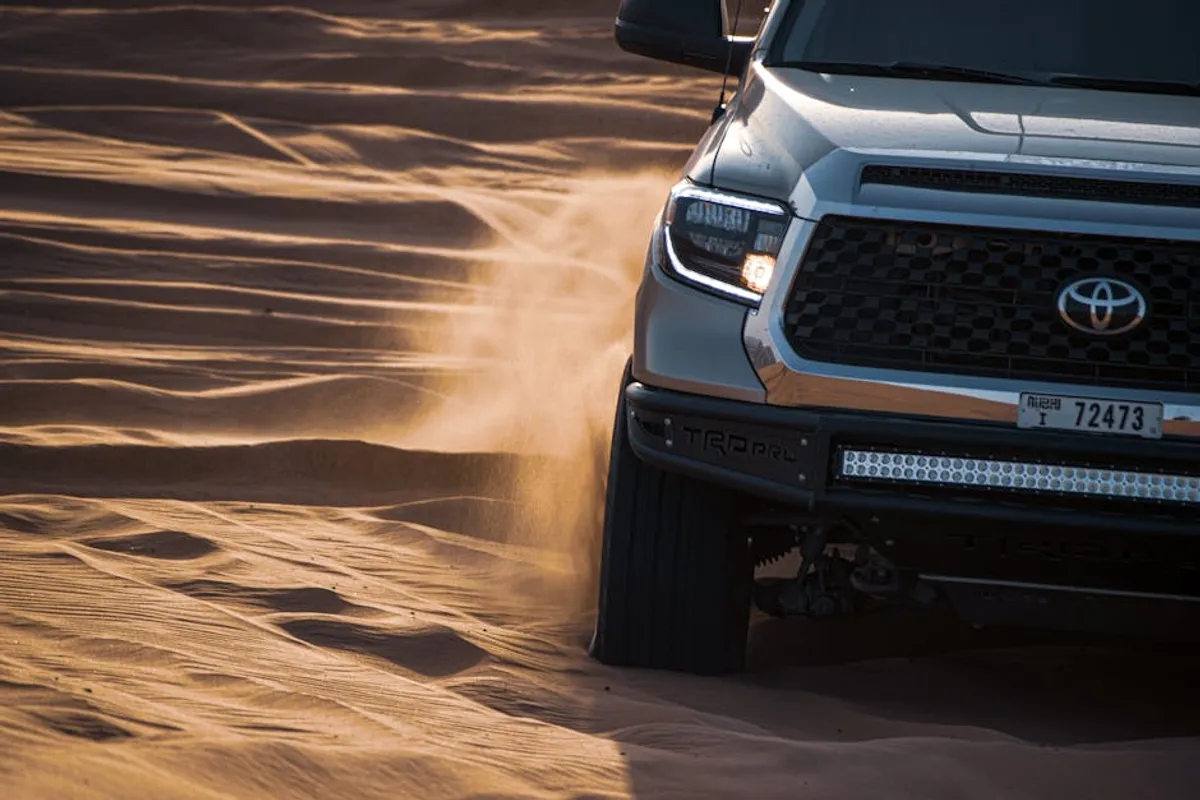
The Toyota Tundra has cultivated a reputation for rugged dependability since its introduction, often cited by owners for its longevity and ability to withstand demanding use. For prospective buyers or current owners, understanding the nuances of this reliability—specifically, common issues that may arise and proactive steps to mitigate them—is crucial for maximizing the truck's operational life and resale value. This insight allows for informed purchasing decisions and targeted maintenance strategies, moving beyond general accolades to specific operational realities. Understanding the common issues and proactive steps can help owners maintain their Tundra's longevity.
Understanding Toyota Tundra Durability
Toyota engineered the Tundra for the North American full-size truck market, emphasizing a robust frame, powerful engine options, and a build quality intended to compete with domestic heavyweights. This design philosophy has generally translated into strong performance records, particularly for powertrain components like the V8 engines and transmissions. Many Tundras achieve high mileage with regular maintenance, contributing to their perceived durability. However, "reliability" does not equate to "maintenance-free." Even well-engineered vehicles have specific points of wear or design quirks that can manifest over time.
Common Problems by Generation and Component
While the Tundra is generally robust, specific issues have been noted across its generations. Identifying these can help owners and buyers anticipate potential service needs.
First Generation (2000-2006)
The original Tundra established the model's footprint but had a few notable areas for attention:
- Frame Rust: A significant concern for models in regions exposed to road salt. Severe corrosion on the frame and undercarriage components could compromise structural integrity. Toyota addressed this with a recall and extended warranty for inspection and remediation, but it remains a critical check for older models.
- Lower Ball Joints: Early models experienced premature wear or failure of the lower ball joints, a safety-critical suspension component. Toyota issued a recall to address this, but it's still a point of inspection for unserviced vehicles.
- Oxygen Sensors: Failures were common, leading to check engine lights and potentially reduced fuel efficiency. Replacement is typically straightforward but can be costly if ignored.
Second Generation (2007-2021)
The larger, more powerful second-generation Tundra introduced new complexities and a different set of common issues:
- Secondary Air Injection Pump: A prevalent problem, particularly on 5.7L V8 engines. This system helps reduce emissions during cold starts. Failure often results in a check engine light and can be expensive to repair due to the pump's location and associated components.
- Cam Tower Oil Leaks: Some 5.7L V8 engines developed oil leaks from the cam tower seals. While often slow and not immediately critical, addressing these leaks requires significant labor due to engine disassembly.
- Bed Bounce: More of a characteristic than a defect, some owners reported a noticeable vertical oscillation in the truck bed when driving unloaded over certain road imperfections. This is generally attributed to suspension tuning for heavy loads and is not a mechanical failure.
- Water Pump Leaks: While not universal, some owners reported water pump failures or leaks requiring replacement, typically after 100,000 miles.
Third Generation (2022-Present)
The newest generation, with its twin-turbo V6 engines and hybrid options, is still relatively new, but initial reports highlight different areas:
- Turbocharger Wastegate Issues: Early models have seen reports of wastegate actuator failures or malfunctions, leading to reduced power or check engine lights.
- Infotainment System Glitches: Common in many new vehicles, some Tundra owners have noted occasional software glitches or slow responses from the large touchscreen infotainment system.
- Hybrid Battery Concerns (i-FORCE MAX): As with any new hybrid system, long-term battery degradation and replacement costs are future considerations, though no widespread issues have been reported yet.
Owner Tips for Maximizing Tundra Lifespan
Proactive maintenance and informed ownership are the most effective ways to ensure your Toyota Tundra lives up to its reliable reputation.
- Adhere to the Maintenance Schedule: Follow Toyota's recommended service intervals for oil changes, fluid checks (transmission, differential, coolant), tire rotations, and filter replacements. This is the single most impactful action for longevity.
- Undercoat for Rust Prevention: If you live in a region with heavy road salt use, consider professional undercoating or rustproofing for older Tundras, especially the first generation, to protect the frame and chassis.
- Address Warning Lights Promptly: A check engine light or other dashboard warnings should not be ignored. Diagnostic scans can pinpoint issues early, preventing minor problems from escalating into costly repairs.
- Pre-Purchase Inspection (PPI): For used Tundras, a comprehensive PPI by an independent mechanic specializing in Toyotas is invaluable. This can uncover hidden issues like cam tower leaks, frame rust, or secondary air injection pump problems before purchase.
- Use Quality Parts and Fluids: Opt for genuine Toyota OEM parts or high-quality aftermarket equivalents, especially for critical components. Use manufacturer-recommended fluids to maintain system integrity.
Pro Tip: When evaluating a used Toyota Tundra, pay particular attention to service records. Consistent maintenance, especially for fluid changes and addressing recalls, is a stronger indicator of future reliability than mileage alone. A history of dealership or reputable independent shop service is a significant positive signal.
Sustaining Tundra Reliability
The Toyota Tundra remains a highly capable and generally reliable full-size truck. Its reputation for durability is well-earned, but like all vehicles, it benefits significantly from attentive ownership. By understanding the common issues associated with specific generations and implementing a proactive maintenance strategy, owners can mitigate potential problems, extend the truck's service life, and preserve its value. The goal is not merely to react to failures but to anticipate and prevent them, ensuring the Tundra continues to perform as intended for years to come.
Frequently Asked Questions
Is the Toyota Tundra a reliable truck?
Yes, the Toyota Tundra is widely considered a highly reliable full-size truck, known for its robust V8 engines and durable construction, often achieving high mileage with proper maintenance.
What are the most common problems with Toyota Tundras?
Common issues vary by generation but include frame rust and lower ball joint issues in first-gen models, secondary air injection pump failures and cam tower oil leaks in second-gen models, and early reports of turbocharger wastegate issues in third-gen trucks.
How often should I service my Toyota Tundra?
Follow Toyota's recommended maintenance schedule, which typically involves oil changes every 5,000-10,000 miles (depending on oil type and driving conditions) and more comprehensive inspections and fluid changes at regular intervals like 30,000, 60,000, and 90,000 miles.
Are older Toyota Tundras still reliable?
Many older Toyota Tundras remain reliable, particularly those with a diligent maintenance history and in regions less prone to severe rust. A thorough pre-purchase inspection is crucial for assessing the condition of any high-mileage or older model.