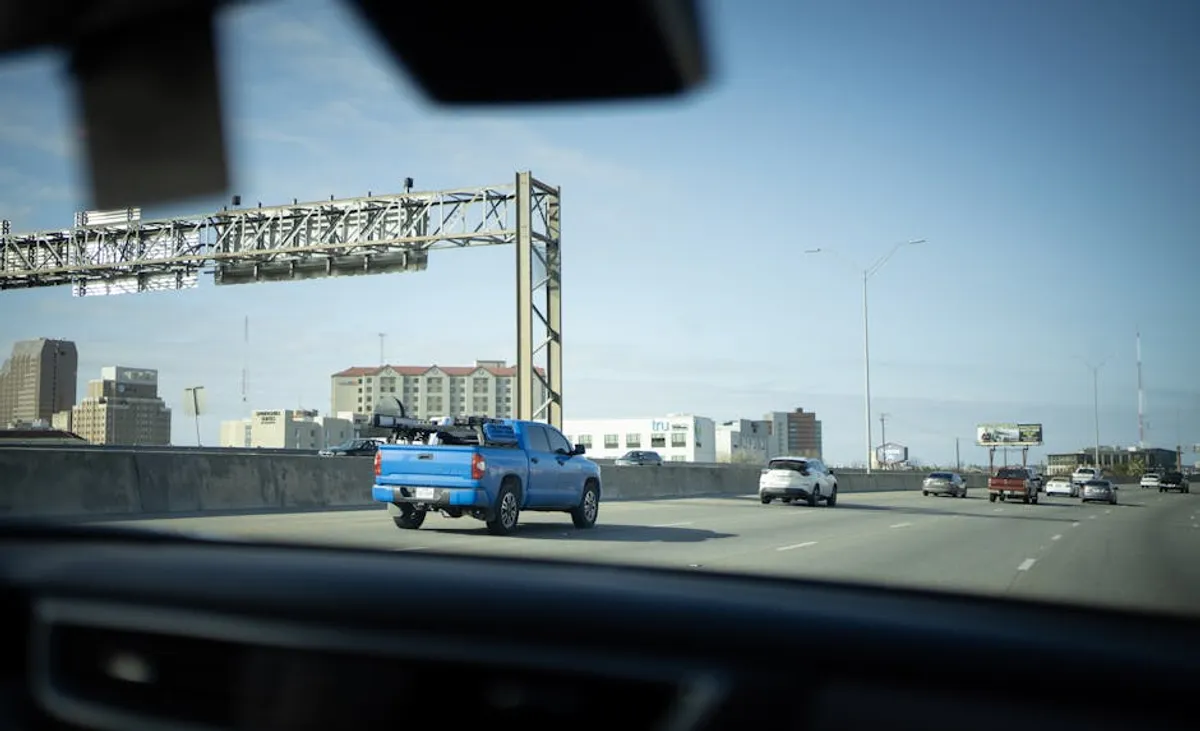
The Toyota Tundra has cultivated a reputation for durability and longevity, often positioned as a workhorse pickup capable of high mileage. This perception makes it a popular choice in the used truck market. However, a blanket assumption of invincibility can lead to unexpected ownership costs. Prospective buyers, particularly those considering a pre-owned model, benefit from understanding the specific reliability profile of different Tundra generations, including common issues and past recalls, to make an informed purchase decision that aligns with their budget and expectations for long-term operational costs. This detailed look at the 2023 Toyota Tundra offers further insights into its reliability and used buying tips.
Understanding Tundra Reliability Across Generations
While the Tundra generally holds its value due to its perceived robustness, specific model years and generations exhibit distinct patterns of reliability and common mechanical concerns. Early first-generation models (2000-2006) are often praised for their straightforward engineering and the 4.7L V8's endurance, though they can present age-related issues. The second generation (2007-2021) introduced larger engines and increased capability but also some more complex systems that require specific attention. The third generation (2022-present) represents a significant redesign, moving to turbocharged V6 engines and a hybrid option, making long-term reliability assessments still an evolving process.
Common Mechanical Issues by Generation
Identifying recurring problems helps buyers focus their pre-purchase inspections and budget for potential repairs. Not every Tundra will experience every issue, but awareness is key.
- First Generation (2000-2006):
- Frame Rust: A significant concern, particularly in regions with road salt. Severe corrosion can compromise structural integrity. Inspection should include the frame rails, crossmembers, and suspension mounting points.
- Lower Ball Joint Failure: A known safety recall item (see below). Even if addressed, continued vigilance for symptoms like clunking or steering looseness is prudent.
- Oxygen Sensors: Prone to failure, leading to illuminated check engine lights and reduced fuel efficiency.
- Second Generation (2007-2021):
- Secondary Air Injection Pump Failure: This system, crucial for emissions control, can fail, resulting in a check engine light and costly repairs. Symptoms include a loud whirring noise from the engine bay on startup.
- Cam Tower Leaks (5.7L V8): Oil leaks from the cam tower seals are a documented issue, particularly on earlier 5.7L engines. While often slow, repair is labor-intensive and expensive.
- Water Pump Failure: Some owners report premature water pump failures, leading to coolant leaks and potential overheating if not addressed.
- Dashboard Cracking: A common cosmetic issue, especially in vehicles exposed to intense sunlight.
- Third Generation (2022-Present):
- Turbocharger Issues: As a new twin-turbo V6 platform, early reports have included wastegate and related turbo system issues for some owners.
- Hybrid System Concerns: The i-FORCE MAX hybrid system, while powerful, introduces new complexities. Long-term reliability data is still accumulating.
Understanding and Checking for Recalls
Recalls are manufacturer-issued notices to address safety defects or non-compliance with federal standards. It is critical for any prospective Tundra owner to verify that all applicable recalls have been completed on a specific vehicle.
The National Highway Traffic Safety Administration (NHTSA) maintains a comprehensive database. By entering the vehicle's 17-digit Vehicle Identification Number (VIN) on the NHTSA website, buyers can immediately see any open recalls. Dealerships are legally obligated to perform recall repairs free of charge, regardless of vehicle ownership or age.
Pro Tip: Always verify recall completion through official records or a dealership. A seller stating "all recalls were done" without documentation should prompt further investigation. An unaddressed recall could indicate a significant safety risk or a future repair expense.
Notable Tundra Recalls
Specific recalls have impacted Tundra models over the years:
- First Generation Lower Ball Joint Recall: Affecting 2000-2004 models, this recall addressed premature wear and potential separation of the front lower ball joints, which could lead to loss of steering control.
- Accelerator Pedal Entrapment Recall: Part of a broader recall campaign for Toyota vehicles, affecting certain 2007-2010 Tundras, addressing accelerator pedal issues.
- Frame Corrosion Recall: For certain 2007-2008 Tundras, this recall involved inspecting and potentially replacing frames due to severe rust issues. This is distinct from the general frame rust mentioned for earlier models, but highlights the persistent concern.
Strategic Buying Advice for a Reliable Tundra
Purchasing a used Toyota Tundra requires diligence beyond its brand reputation. A structured approach minimizes risk and helps secure a reliable vehicle.
Comprehensive Pre-Purchase Inspection (PPI)
A professional, independent mechanic specializing in trucks or Toyota vehicles should conduct a thorough PPI. This inspection goes beyond a basic dealership check. It should include:
- Underbody and Frame: Meticulous inspection for rust, accident damage, or previous repairs. Pay close attention to welds and structural components.
- Engine and Transmission: Check for leaks, unusual noises, smooth shifting, and proper fluid levels and condition. Look for signs of the cam tower leak or secondary air pump issues.
- Suspension and Steering: Assess ball joints, tie rods, bushings, and shock absorbers for wear or damage.
- Brakes: Evaluate pad and rotor wear, caliper condition, and brake fluid.
- Electrical Systems: Verify all lights, infotainment, and convenience features operate correctly. Check for dashboard warning lights.
Vehicle History Reports and Service Records
Obtain a vehicle history report using the VIN. These reports can reveal accident history, salvage titles, odometer discrepancies, and past ownership. While not exhaustive, they provide a crucial data point. Complement this with available service records, which offer insight into maintenance frequency and the proactive replacement of wear items. A truck with a consistent service history, even if from multiple owners, often indicates better care.
Test Drive and Owner Interview
A comprehensive test drive on varying road surfaces and speeds is essential. Listen for abnormal noises, feel for vibrations, and assess steering response and braking performance. If buying from a private seller, ask specific questions about the truck's history, common issues they've encountered, and their maintenance routine. Their transparency can be a strong indicator of the vehicle's true condition.
Maintaining Tundra Longevity
Even the most reliable vehicles benefit from consistent, proactive maintenance. For Tundra owners, this includes adherence to the manufacturer's service schedule, especially for fluid changes (engine oil, transmission fluid, differential fluid, coolant). Regular inspections for rust, particularly in the undercarriage, and prompt addressing of minor leaks or warning lights can prevent small issues from escalating into costly repairs. Investing in quality parts and professional service further extends the operational life of a Tundra.
Making an Informed Tundra Choice
The Toyota Tundra earns its reputation for reliability, but that reputation is not an excuse to skip due diligence. By understanding the specific issues associated with different generations, diligently checking recall status, and investing in a thorough pre-purchase inspection, buyers can confidently acquire a Tundra that delivers on its promise of dependable performance. The key is informed decision-making, balancing the Tundra's inherent strengths with an awareness of its potential weak points.
Frequently Asked Questions About Toyota Tundra Reliability
Are all Toyota Tundra model years equally reliable?
No, while generally reliable, specific model years and generations have known issues. For instance, early 1st-gen models had frame rust concerns, and 2nd-gen models can experience secondary air injection pump failures or cam tower leaks. Researching the specific year you're considering is crucial.
What is the most significant issue to watch for when buying a used Tundra?
For 1st and early 2nd generation Tundras, frame rust is a critical concern that can compromise safety and structural integrity. For 2nd generation 5.7L V8s, cam tower oil leaks are a common, expensive repair to watch for during a pre-purchase inspection.
How can I check if a Tundra has open recalls?
You can check for open recalls by entering the vehicle's 17-digit VIN on the National Highway Traffic Safety Administration (NHTSA) website. Dealerships are required to perform recall repairs at no cost.
Does regular maintenance significantly impact Tundra reliability?
Absolutely. Consistent adherence to the manufacturer's service schedule, including timely fluid changes, filter replacements, and addressing minor issues promptly, is vital for extending the Tundra's lifespan and maintaining its renowned reliability.