The Toyota Tundra has carved out a significant niche in the full-size truck segment, known for its reputation for durability and strong resale value. However, with multiple generations, diverse engine options, and a wide array of trim levels, navigating the Tundra market requires a focused approach. This guide provides a detailed breakdown of what prospective buyers should evaluate to ensure their purchase aligns with their specific needs and budget, moving beyond surface-level comparisons to reveal the practical implications of each choice. If you're concerned about potential problems, understanding Toyota Tundra reliability issues can help you make a more informed choice.
Understanding Tundra Generations and Key Updates
The Tundra's evolution spans several distinct generations, each introducing significant changes in design, powertrain, and technology. Understanding these generational shifts is crucial for evaluating performance, features, and potential long-term ownership costs.
First Generation (2000-2006)
These early models, initially marketed as a "T100 replacement," established the Tundra's presence. They offered V6 and V8 engine options, with the 4.7L i-Force V8 being a popular choice for its reliability. Buyers considering this generation should prioritize a thorough inspection for rust, especially on the frame, and check maintenance records for timing belt replacements on V8 models. While less refined than later versions, their simplicity often translates to lower purchase prices and straightforward maintenance.
Second Generation (2007-2021)
The second generation marked a substantial increase in size and capability, directly competing with domestic full-size trucks. Engine options expanded to include a 4.0L V6, a 4.6L V8, and the robust 5.7L i-Force V8. This generation introduced a more spacious interior, improved towing capacities, and a wider range of configurations. Common points of inspection for these models include the secondary air injection pump, camshaft tower leaks on the 5.7L, and general suspension components due to age and potential heavy use. The 5.7L V8 with its 6-speed automatic transmission is particularly sought after for its proven reliability and power.
Third Generation (2022-Present)
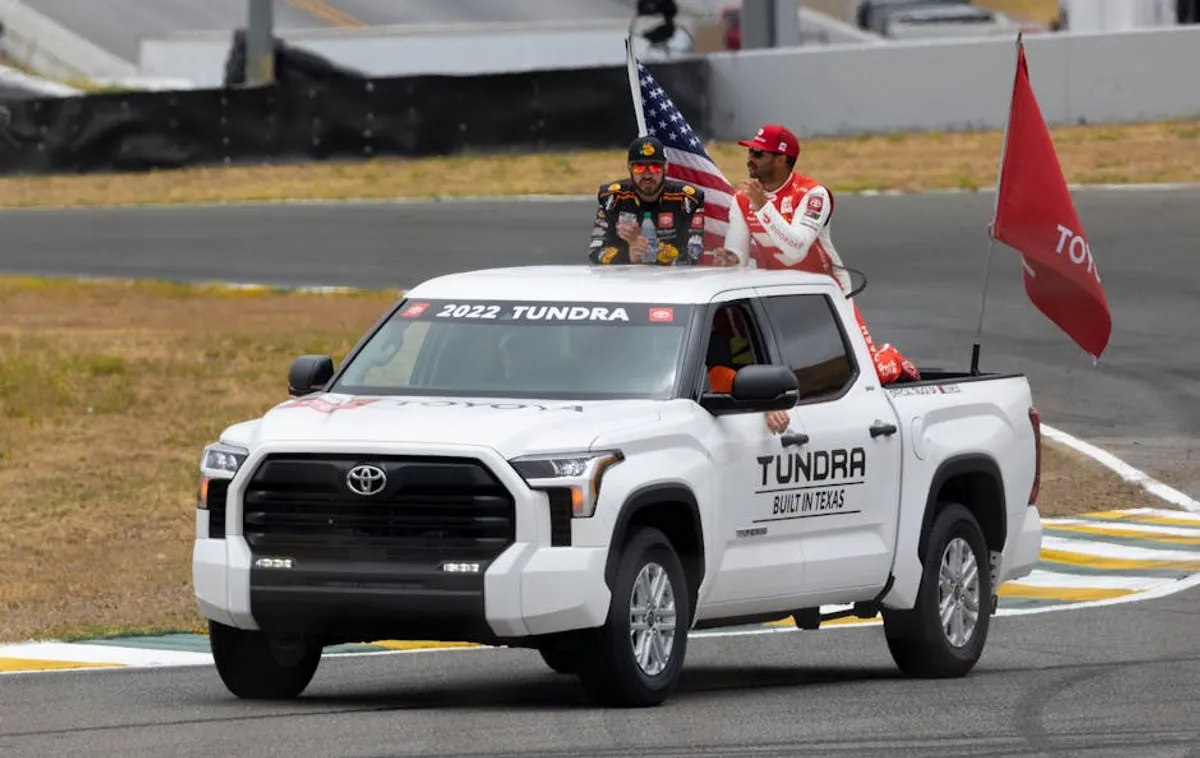
The current generation represents a complete redesign, moving away from the V8 engine entirely. It features two twin-turbo 3.4L V6 engine options: the i-FORCE and the i-FORCE MAX hybrid. Both are paired with a 10-speed automatic transmission. This generation introduced a fully boxed frame, a multi-link rear suspension with coil springs (replacing leaf springs), and significantly upgraded interior technology, including a larger infotainment screen and advanced driver-assistance systems. Buyers interested in the latest technology, improved fuel efficiency (especially with the hybrid), and a more refined ride will find this generation appealing. Early models of new generations can sometimes have minor initial software or component adjustments, which is a factor to consider.
Engine Options: Power and Efficiency
The engine choice fundamentally dictates the Tundra's character, influencing towing capacity, fuel economy, and driving dynamics.
- V6 and V8 Engines (Pre-2022): Older models primarily offered naturally aspirated V6 (4.0L) and V8 (4.7L, 4.6L, 5.7L) engines. The 5.7L V8 is the workhorse, known for its robust power delivery and proven longevity, albeit with lower fuel economy. The smaller V8s offer a balance of power and slightly better efficiency.
- i-FORCE and i-FORCE MAX (2022+): The third generation exclusively uses twin-turbo V6 engines. The standard i-FORCE delivers 389 horsepower and 479 lb-ft of torque. The i-FORCE MAX hybrid system adds an electric motor between the engine and transmission, boosting output to 437 horsepower and 583 lb-ft of torque, while also improving low-end torque delivery and fuel efficiency, particularly in city driving.
Cab Configurations and Bed Lengths
The Tundra offers two primary cab types and multiple bed lengths, directly impacting passenger space and cargo utility.
- Double Cab: Features smaller rear doors and less rear legroom compared to the CrewMax. It's often paired with longer bed options (6.5-foot or 8.1-foot). Suitable for occasional rear passengers or those prioritizing bed space.
- CrewMax: Offers significantly more rear legroom, rivaling large SUVs, with full-size rear doors. Typically paired with a shorter 5.5-foot bed, though a 6.5-foot bed became available in the third generation. Ideal for regularly transporting adults or families.
Bed lengths vary, generally from 5.5 feet to 8.1 feet. Your choice here should align with your primary use case – whether you need maximum cargo volume for work, or a shorter bed for maneuverability and easier parking.
Navigating Trim Levels and Features
Tundra trim levels range from basic work trucks to luxurious cruisers and dedicated off-roaders. Each trim package bundles specific features and aesthetic elements.
Common Trim Levels and Their Focus:
- SR: Base work truck, functional but sparse on amenities. Best for fleets or buyers needing minimal features.
- SR5: Popular mid-range, adds more convenience features like alloy wheels, an upgraded infotainment system, and often a power-adjustable driver's seat.
- Limited: Introduces premium features such as leather upholstery, heated and ventilated front seats, dual-zone automatic climate control, and a larger infotainment screen.
- Platinum: Elevates luxury with higher-grade leather, heated and ventilated rear seats, a premium audio system, and unique exterior accents.
- 1794 Edition: A Western-themed luxury trim, often featuring saddle brown leather, wood grain accents, and chrome exterior details.
- TRD Pro: Off-road focused, equipped with specialized suspension (e.g., Fox or Bilstein shocks), skid plates, all-terrain tires, and unique styling.
- Capstone (2022+): The pinnacle of luxury for the third generation, featuring semi-aniline leather, power-deployable running boards, and a head-up display.
Critical Considerations for Your Purchase
Beyond the basics, several factors directly impact the Tundra's utility and your satisfaction.
Towing and Payload Capacities
Tundra's towing capacity typically ranges from 8,300 lbs to over 12,000 lbs, depending on the configuration and generation. Payload capacity varies from approximately 1,500 lbs to 1,900 lbs. Always check the specific vehicle's door jamb sticker for exact ratings, as modifications or specific options can alter these figures. If you plan to tow heavy loads, look for models with the factory tow package, which often includes a larger alternator, transmission cooler, and integrated trailer brake controller.
Off-Road Capability
For buyers planning off-road excursions, the TRD Off-Road and TRD Pro packages are key. These include features like skid plates, upgraded shocks, all-terrain tires, and often a locking rear differential or multi-terrain select system. Even non-TRD 4x4 models offer decent capability, but the specialized trims provide enhanced performance and protection.
Interior Technology and Comfort
Older Tundras feature simpler infotainment systems and fewer connectivity options. Second-generation models saw gradual improvements, while the third generation offers a significant leap with larger touchscreens (up to 14 inches), wireless Apple CarPlay and Android Auto, and a digital gauge cluster. Consider your daily needs for connectivity and convenience when evaluating the interior tech.
Safety Features
Toyota Safety Sense (TSS) packages became standard on many Tundra models in later second-generation years and are standard across the third generation. TSS includes features like pre-collision system with pedestrian detection, lane departure alert, adaptive cruise control, and automatic high beams. These systems enhance safety and can be a significant factor for family buyers.
New vs. Used Tundra: Weighing Your Options
The decision between a new or used Tundra hinges on budget, desired features, and long-term ownership goals. New Tundras offer the latest technology, full warranty coverage, and the exact configuration you want. Used Tundras, particularly second-generation models with the 5.7L V8, offer significant cost savings while still providing robust performance and reliability. Their strong resale value means depreciation is less severe than some competitors.
Pro Tip: For used Tundras, always request a pre-purchase inspection by an independent mechanic specializing in Toyota vehicles. This can uncover potential issues not visible during a standard test drive, such as rust on the frame, transmission fluid condition, or common engine quirks specific to certain model years.
Making Your Informed Tundra Decision
The Toyota Tundra offers a compelling blend of capability, reliability, and resale value. Your ideal Tundra depends on a clear understanding of your priorities: towing, off-roading, passenger comfort, or advanced technology. By considering the nuances of each generation, engine, cab, and trim level, you can pinpoint the specific configuration that best meets your requirements and budget. Thorough research, coupled with a detailed inspection for used models, will ensure a confident and satisfactory purchase.
Frequently Asked Questions
What is the best year for a used Toyota Tundra?
Many enthusiasts and experts often point to the 2007-2021 second-generation models, particularly those equipped with the 5.7L i-Force V8 engine, as a sweet spot for reliability and capability at a used price point. These years offer a balance of modern features and proven mechanicals.
What is the difference between i-FORCE and i-FORCE MAX?
Both are twin-turbo 3.4L V6 engines found in the third-generation Tundra. The i-FORCE is the standard gasoline engine, while the i-FORCE MAX is a hybrid powertrain that integrates an electric motor, providing higher horsepower and torque output, along with improved fuel efficiency.
Does the Toyota Tundra have good resale value?
Yes, the Toyota Tundra consistently ranks among the top full-size trucks for retaining its value. Its reputation for longevity and reliability contributes significantly to its strong resale market, making it a sound investment over time.
What are common Tundra problems to look for in older models?
For second-generation models (2007-2021), common issues include potential secondary air injection pump failures, camshaft tower leaks on the 5.7L V8, and frame rust, particularly in regions with road salt. Always check for these specific concerns during an inspection.