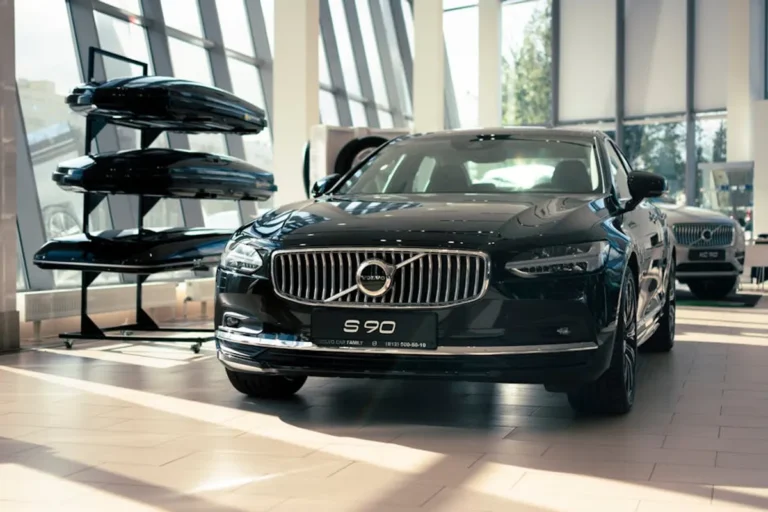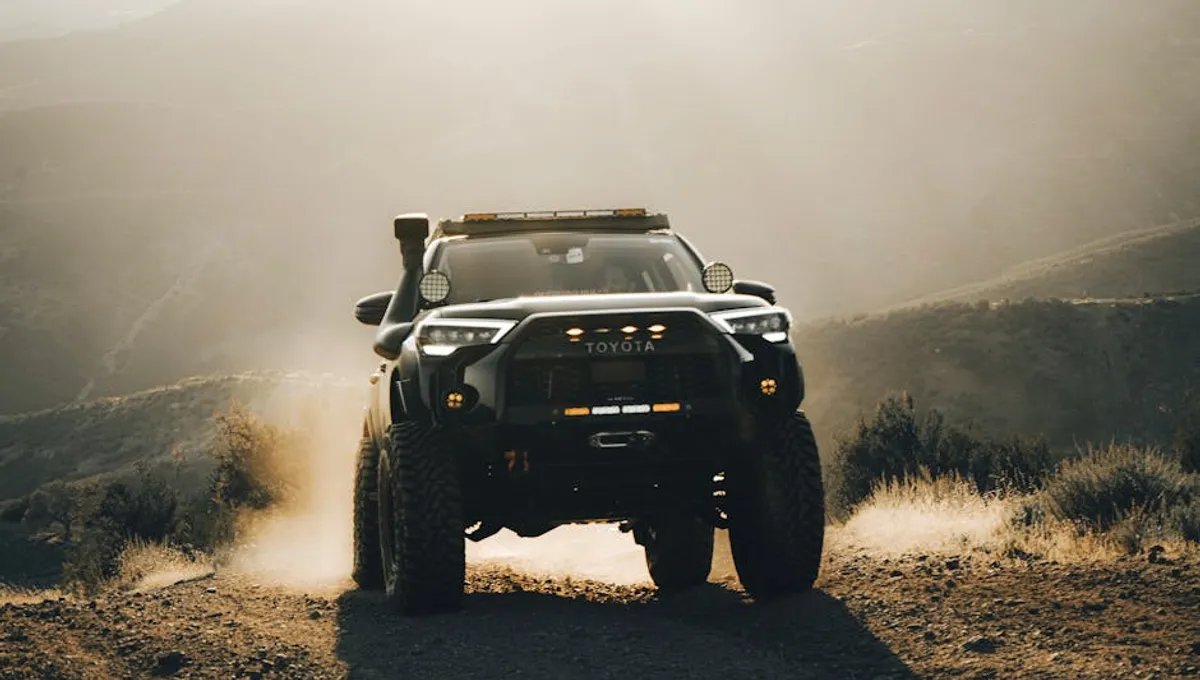
The choice between a new Toyota 4Runner and a used SUV represents a fundamental decision for prospective buyers: prioritize proven new-vehicle attributes or maximize immediate value and selection from the pre-owned market. This isn't merely a matter of budget, but a strategic evaluation of long-term ownership costs, reliability expectations, feature sets, and intended use. Understanding the specific trade-offs inherent in each option is critical for making a purchase that aligns with your financial capacity and driving needs. For those weighing options, comparing different SUV models can help clarify which best suits your needs.
The Toyota 4Runner: A New Vehicle Proposition
Opting for a new Toyota 4Runner means investing in a vehicle known for its specific strengths rather than broad market appeal. Its primary differentiators are its body-on-frame construction, consistently high resale values, and a reputation for mechanical longevity, particularly in demanding conditions. Buyers are typically drawn to the 4Runner for its off-road capability, rugged design, and perceived bulletproof reliability.
- Predictable Ownership: New 4Runners come with a factory warranty, covering major components and offering predictable maintenance schedules for the initial ownership period. This mitigates unexpected repair costs that can arise with used vehicles.
- Latest Features: New models include the most current safety technology (e.g., Toyota Safety Sense P), infotainment systems, and convenience features available from the manufacturer. These systems are integrated and supported by the dealership network.
- Known History: A new vehicle has no prior ownership history, meaning no hidden accidents, neglected maintenance, or undisclosed issues. This transparency offers peace of mind.
- Strong Resale: The 4Runner consistently ranks among vehicles with the best resale value. While the initial purchase price is higher, a significant portion of that investment can be recouped upon sale or trade-in years later.
Best for: Buyers prioritizing off-road capability, long-term reliability, minimal depreciation, and a full factory warranty. These buyers are often willing to pay a premium for a vehicle with a known history and specific performance attributes.
Used SUVs: Value, Variety, and Considerations
The used SUV market offers a vast selection across brands, models, and price points, providing significant financial flexibility compared to purchasing new. This segment allows buyers to access vehicles that might be out of reach as new purchases, or to acquire more features for the same budget.
The primary advantage of a used SUV is the depreciation already absorbed by the previous owner. Vehicles typically lose the most value in their first few years, meaning a used SUV often represents a lower upfront cost and a slower rate of future depreciation. This can free up budget for other expenses, or allow for the purchase of a higher trim level or a luxury brand that would be unaffordable new.
However, the used market introduces variables:
- Varied Condition: The mechanical and cosmetic condition of used SUVs can range widely, directly impacting their reliability and immediate maintenance needs.
- Unknown History: While vehicle history reports (like CarFax or AutoCheck) provide valuable data, they don't always capture every detail of a vehicle's past maintenance or minor incidents.
- Older Technology: Used SUVs, especially those several years old, will feature older infotainment, safety, and driver-assistance technologies. These may lack modern connectivity options or advanced safety suites.
- Warranty Status: Many used SUVs are sold without a remaining factory warranty, shifting the burden of potential repair costs entirely to the new owner. Certified Pre-Owned (CPO) programs can mitigate this but typically come with a higher price tag.
Best for: Buyers focused on maximizing value, seeking a wider range of options, or aiming for a specific budget target. This group often prioritizes features or brand prestige over the absolute latest technology or a new car warranty.
Key Comparison Points
Cost and Depreciation
A new 4Runner will have a higher initial purchase price, but its slow depreciation rate means it retains value well over time. A used SUV, conversely, has a lower entry cost due to prior depreciation. However, the depreciation curve for a used vehicle flattens out, meaning you lose less value percentage-wise after purchase. Consider total cost of ownership, including insurance, maintenance, and potential repairs, not just the sticker price.
Reliability and Maintenance
Toyota's reputation for reliability is a significant factor for the 4Runner. Its drivetrain and components are proven over decades. While a new 4Runner offers warranty protection, a used SUV's reliability depends heavily on its specific make, model, age, mileage, and prior maintenance. Maintenance costs for a used luxury SUV, for example, can significantly exceed those of a new 4Runner, even if the purchase price was lower.
Features and Technology
New 4Runners offer standard modern safety suites and updated infotainment. Used SUVs, particularly those 3-5 years old, may lack features like adaptive cruise control, lane-keeping assist, or advanced connectivity (e.g., wireless Apple CarPlay/Android Auto). Buyers must decide if the latest tech is a necessity or a luxury they can forego for cost savings.
Off-Road Capability vs. Daily Driving
The 4Runner is purpose-built for off-road performance, making it a strong contender for buyers who regularly tackle trails or require robust all-weather capability. Many used SUVs, particularly crossovers, are designed primarily for on-road comfort and fuel efficiency, offering less capability in challenging terrain. Aligning the vehicle's design intent with your actual use case is crucial.
Resale Value
The 4Runner's resale value is consistently high, making it a financially sound choice if you plan to sell or trade it in within a few years. The resale value of a used SUV is more variable, depending on brand, condition, mileage, and market demand for that specific model. While depreciation has already occurred, some used models retain value better than others.
Pro Tip: When considering a used SUV, always factor in a comprehensive pre-purchase inspection by an independent mechanic. This step, costing a few hundred dollars, can identify significant issues that aren't apparent during a test drive or visible in a history report, potentially saving thousands in future repairs.
Who Should Buy Which?
The optimal choice depends on specific buyer priorities:
Choose a New Toyota 4Runner if:
- You prioritize maximum long-term reliability and minimal unexpected repair costs.
- Off-road capability and a rugged, body-on-frame design are primary requirements.
- You value a full factory warranty and the latest safety features.
- Maintaining high resale value is a key financial consideration.
- You prefer a vehicle with no prior ownership history.
Choose a Used SUV if:
- Your budget is constrained, and you need to maximize value per dollar spent.
- You desire a wider selection of brands, models, and luxury features that would be out of budget new.
- You are comfortable with the potential for older technology and potentially higher maintenance costs outside of warranty.
- You are willing to invest time in thorough research, inspections, and understanding a vehicle's history.
Practical Considerations for Your Purchase
Regardless of whether you choose a new 4Runner or a used SUV, several practical steps remain essential:
Budget Beyond Purchase Price: Account for insurance premiums, fuel costs, routine maintenance, and potential repairs. These can vary significantly between a new, efficient crossover and an older, larger SUV.
Thorough Research: For used SUVs, research specific model years for known issues, reliability ratings, and common repair costs. For the 4Runner, understand the differences between trim levels and their respective features.
Test Drive Extensively: Drive your chosen vehicle on various road types – city, highway, and if applicable, some unpaved roads – to assess comfort, handling, and performance in real-world conditions.
Financing Options: Compare interest rates and loan terms for both new and used vehicles. New car loans often have lower rates, which can sometimes offset part of the higher purchase price.
Frequently Asked Questions
Is a new Toyota 4Runner a good investment?
A new Toyota 4Runner is considered a strong investment due to its exceptional reliability, low depreciation rate, and high resale value, often retaining a significant portion of its original cost over many years.
What are the main risks of buying a used SUV?
The primary risks of buying a used SUV include unknown maintenance history, potential for undisclosed accidents, lack of a factory warranty, and the possibility of unexpected repair costs soon after purchase.
How much can I save by buying a used SUV instead of a new one?
Savings can vary widely, but buying a used SUV typically saves 20-50% off the new vehicle price, depending on the age, mileage, and model, as the initial depreciation has already occurred.
Does a used SUV offer better features for the price than a new 4Runner?
Yes, a used SUV can often offer more luxury features, a higher trim level, or a more prestigious brand for the same price as a new base or mid-trim 4Runner, trading newer technology for more amenities.