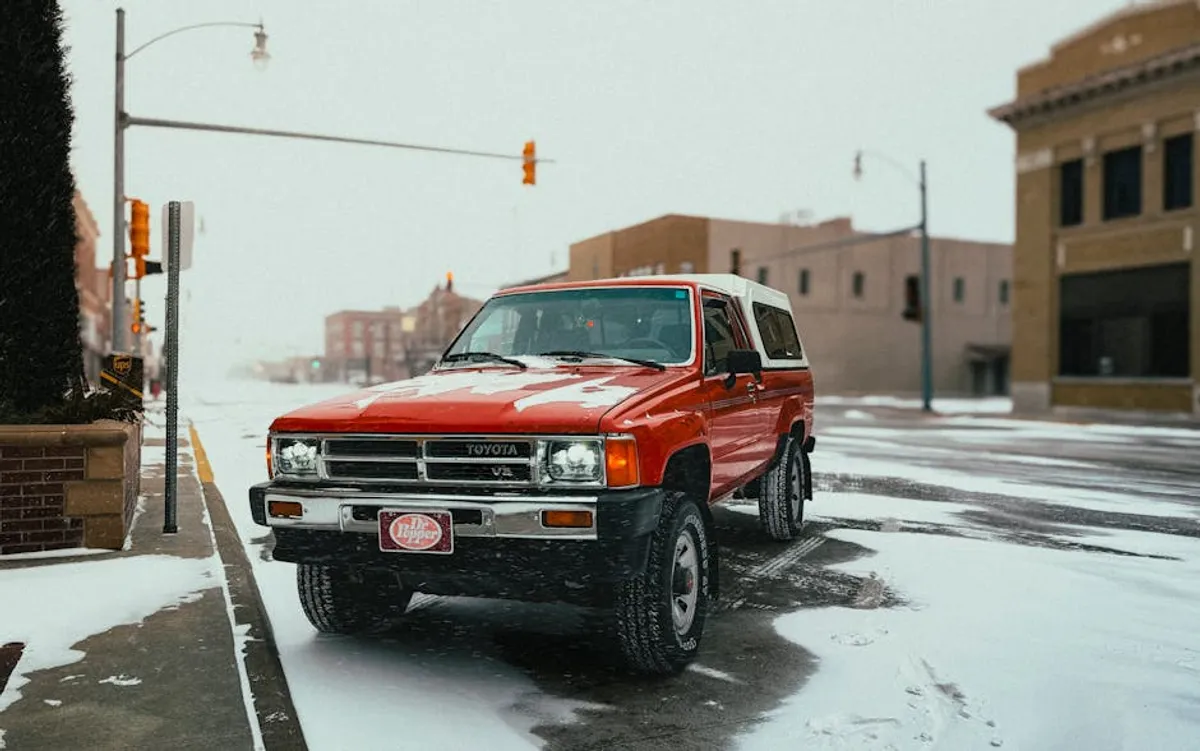
Deciding between a Toyota 4Runner and a Toyota Chaser involves a fundamental choice between two distinct automotive philosophies. The 4Runner is a body-on-frame, truck-based SUV built for rugged utility, off-road capability, and enduring reliability. The Chaser, conversely, is a rear-wheel-drive performance sedan, primarily a Japanese Domestic Market (JDM) vehicle, known for its agile handling, tunable engines, and often a more engaging on-road driving experience. Your purchase decision hinges entirely on intended use, desired driving dynamics, and willingness to navigate the complexities of JDM ownership. If you're weighing off-road contenders, understanding the Ford Bronco vs Toyota 4Runner is a key part of the decision.
Core Differences: Purpose and Platform
The 4Runner and Chaser diverge immediately at their core design. The Toyota 4Runner utilizes a traditional body-on-frame construction, akin to a pickup truck, which provides exceptional durability for off-road trails and heavy-duty towing. This robust platform contributes to its higher ground clearance and ability to withstand rough terrain. Its primary purpose is utility, exploration, and reliable transport in varied conditions, often featuring part-time or full-time four-wheel drive systems with low-range gearing.
In contrast, the Toyota Chaser is built on a unibody platform, typical of sedans, prioritizing chassis rigidity and lighter weight for improved on-road performance. Its rear-wheel-drive layout is favored by enthusiasts for balanced handling and a more direct connection to the road. The Chaser was designed for comfortable, spirited driving on paved surfaces, with a focus on engine performance and a lower center of gravity.
Performance and Driving Dynamics
Powertrain options and driving feel are significant differentiators. Modern 4Runner models typically feature a 4.0-liter V6 engine, producing around 270 horsepower and 278 lb-ft of torque, paired with a 5-speed automatic transmission. This setup provides ample low-end torque for off-road maneuvers and towing, though acceleration on pavement is deliberate rather than rapid. Its high seating position and compliant suspension absorb road imperfections effectively, but body roll is noticeable during aggressive cornering due to its tall stance and off-road-oriented suspension.
The Chaser, especially popular JDM variants like the Tourer V, often came with turbocharged inline-six engines, such as the 1JZ-GTE or 2JZ-GTE. These engines are renowned for their smooth power delivery and significant tuning potential, with factory outputs ranging from 200 to 280 horsepower, often paired with 5-speed manual or 4-speed automatic transmissions. The Chaser offers a more direct steering feel and a firmer, sportier suspension setup, resulting in superior cornering stability and responsiveness on winding roads. Its lower profile and rear-wheel-drive architecture provide a distinctly different, more car-like driving experience focused on driver engagement.
Best for:
- Toyota 4Runner: Off-road exploration, towing, navigating rough terrain, reliability in harsh conditions, family adventures requiring robust cargo capacity.
- Toyota Chaser: Enthusiast driving, custom tuning projects, spirited on-road performance, unique JDM vehicle ownership, comfortable highway cruising.
Interior and Practicality
Interior design and practicality reflect each vehicle's core mission. The 4Runner's cabin emphasizes durability and straightforward functionality. Controls are large and easy to operate, even with gloves, and materials are chosen for their resilience. Cargo capacity is substantial, with rear seats that fold flat to create a large, usable space for gear, camping equipment, or even oversized items. Passenger comfort in the rear is adequate, though the ride can be firm over broken pavement. Modern 4Runners include contemporary infotainment and safety features, though they often lag behind more car-like SUVs in terms of premium cabin finishes or advanced driver-assistance systems.
The Chaser's interior, while comfortable, is more focused on the driver and front passenger. Its sedan form factor limits overall cargo volume compared to an SUV, with a traditional trunk providing storage for luggage or groceries. Passenger space in the rear is typical for a mid-size sedan of its era, suitable for two adults but less generous than the 4Runner. Technology and safety features are generally reflective of its production years (primarily 1990s and early 2000s), meaning fewer modern conveniences and safety aids compared to a contemporary vehicle. However, many Chasers are modified, so interior conditions and features can vary widely depending on previous ownership.
Pro Tip: When considering a Toyota Chaser, especially a JDM import, prioritize a thorough pre-purchase inspection by a specialist familiar with these vehicles. Rust, previous accident damage, and undocumented modifications are common issues that can lead to significant unexpected repair costs. Verify import documentation and local registration requirements before committing to purchase.
Availability and Ownership Considerations
The market for these two vehicles is vastly different. The Toyota 4Runner is a current production model, available new from dealerships, providing access to factory warranties, financing options, and the latest safety and connectivity features. The used market for 4Runners is robust, with strong resale values due to their reputation for longevity. Parts and service are readily available through any Toyota dealership or independent mechanic in regions where it was sold new.
The Toyota Chaser was discontinued in 2001 and was primarily sold in Japan. Acquiring a Chaser in markets like North America or Europe typically involves importing a used vehicle, which can be a complex process. This includes navigating import regulations, customs duties, and ensuring the vehicle meets local roadworthiness standards. Parts availability can be a challenge, often requiring sourcing from Japan or relying on aftermarket solutions. Maintenance may also require specialized knowledge, as not all mechanics are familiar with JDM-specific models or engine variants. Insurance costs can also be higher for imported or modified vehicles.
Making Your Decision
Your choice between a 4Runner and a Chaser boils down to a clear assessment of your priorities. If your lifestyle demands robust utility, the capability to venture off pavement, substantial cargo space, and the peace of mind of a widely supported, current-production vehicle, the Toyota 4Runner is the unequivocal choice. It is a reliable workhorse built to tackle diverse environments and maintain its value over time. For those interested in the latest updates, a 2025 4Runner guide details what changed in Toyota’s new SUV.
If, however, you seek a unique, performance-oriented sedan with a strong enthusiast following, a preference for rear-wheel-drive dynamics, and are prepared for the specific challenges and rewards of JDM ownership, the Toyota Chaser offers a distinct driving experience. It caters to those who value a tunable engine, engaging handling, and a vehicle that stands out from mainstream offerings, often as a project car or a weekend driver.
Frequently Asked Questions
Is the Toyota Chaser legal to drive in the United States?
Yes, Chasers that are at least 25 years old can be legally imported and registered in the United States under the "25-year rule" exemption from federal motor vehicle safety standards. State-specific registration requirements still apply.
Which vehicle is more fuel-efficient?
Generally, the Toyota Chaser, particularly with its inline-six engines, tends to offer slightly better fuel economy on the highway than the heavier, less aerodynamic Toyota 4Runner, which is designed for utility over efficiency.
Can I modify a Toyota 4Runner for better off-road performance?
Absolutely. The 4Runner has a vast aftermarket for off-road modifications, including lift kits, upgraded suspension components, larger tires, bumpers, and winches, significantly enhancing its already capable off-road prowess.
Are parts difficult to find for a Toyota Chaser?
Parts for a Chaser can be more challenging to source than for a 4Runner, especially for specific JDM components. Many owners rely on online communities, specialized import parts suppliers, or direct sourcing from Japan for maintenance and repairs.