The decision between a traditional gasoline-powered truck like the Ram 1500 and a new electric vehicle (EV) pickup truck involves more than just brand preference; it's a fundamental choice impacting daily operations, long-term costs, and environmental considerations. This comparison focuses on the practical distinctions in performance, range, infrastructure, and overall ownership experience to help buyers determine which truck aligns best with their specific needs, whether for heavy-duty work, daily commuting, or recreational use.
Ram 1500: The Established Benchmark
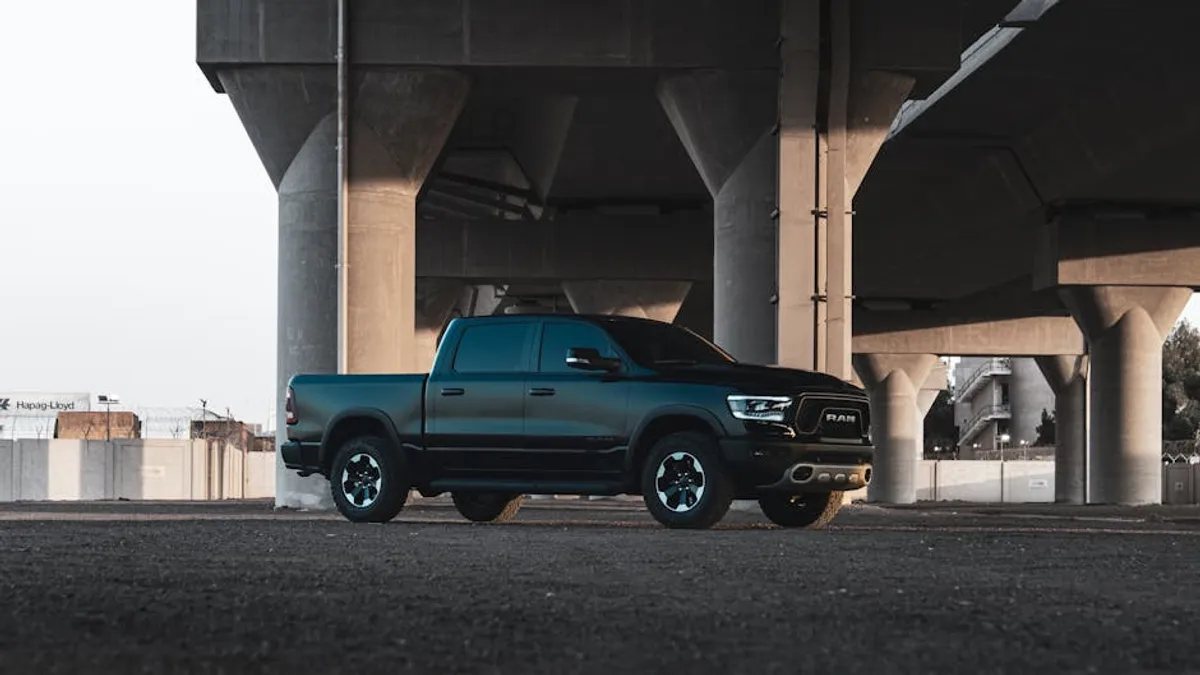
The Ram 1500 has long been a staple in the full-size pickup segment, known for its robust V6 and V8 engine options, significant towing and payload capacities, and a reputation for comfortable interiors. Its appeal stems from a proven powertrain, widespread service availability, and a familiar fueling infrastructure. Buyers often choose the Ram 1500 for its immediate power delivery, particularly with its Hemi V8, and its established resale value in the used truck market. The traditional internal combustion engine (ICE) platform offers a predictable experience, with refueling stops taking minutes and readily available parts and service networks across North America.
Best for: Buyers prioritizing immediate power, extensive towing capabilities without range anxiety, established service networks, and lower initial purchase prices for comparable trim levels.
EV Pickup Trucks: The Emerging Contenders
EV pickup trucks represent a significant shift in the automotive landscape, offering instant torque, quiet operation, and zero tailpipe emissions. Their electric powertrains deliver rapid acceleration and often feature innovative storage solutions like frunks (front trunks) due to the absence of a traditional engine. While the charging infrastructure is expanding, it requires a different approach to "fueling" than gasoline vehicles, often involving overnight home charging or public fast chargers. The technology in EV trucks frequently includes advanced driver-assistance systems and over-the-air software updates, providing evolving capabilities post-purchase.
Best for: Early adopters, those with access to home charging, buyers prioritizing lower long-term fuel costs, reduced maintenance, and a quiet, technologically advanced driving experience.
Key Comparison Factors
Power and Capability
Traditional trucks like the Ram 1500 excel with tried-and-true engine configurations, delivering consistent horsepower and torque figures that are well-understood for towing and hauling. A Ram 1500 with the 5.7L Hemi V8, for example, offers substantial towing capacities, often exceeding 12,000 pounds, and payloads over 2,000 pounds, depending on configuration. EV pickup trucks, by contrast, offer instantaneous torque from their electric motors, which can translate to impressive acceleration and towing performance. However, their maximum towing capacities, while competitive, can significantly impact range, requiring more frequent charging stops. For those interested in specific comparisons, exploring off-road trucks vs Toyota Tundra might be relevant.
- Ram 1500: Predictable power delivery, high maximum towing/payload, established performance metrics.
- EV Pickups: Instant torque, rapid acceleration, strong towing but with potential range reduction under load.
Range and Refueling/Recharging
The Ram 1500 offers a driving range typically between 400-600 miles on a single tank, with refueling taking minutes at any gas station. This provides significant flexibility for long-distance travel and remote work sites. EV pickup trucks currently offer ranges from approximately 250 to over 400 miles on a full charge. Recharging times vary widely: a Level 2 home charger can take 8-12 hours for a full charge, while DC fast chargers can replenish 10-80% of the battery in 20-45 minutes. The availability and reliability of public charging infrastructure remain a consideration for EV owners, particularly in rural areas or during peak travel times.
Pro Tip: When evaluating EV trucks, consider your typical daily mileage and access to charging. If your routine involves consistent long-distance towing or operating in areas with limited charging infrastructure, a traditional gasoline truck may offer fewer logistical challenges for now.
Purchase Price and Operating Costs
The initial purchase price for a new Ram 1500 generally starts lower than most EV pickup trucks, especially when comparing base models. However, the total cost of ownership shifts when considering fuel and maintenance. Gasoline prices fluctuate, while electricity costs are generally more stable and often lower per mile. Many regions offer federal, state, or local incentives for EV purchases, which can offset the higher upfront cost. Over a 5-7 year ownership period, the lower "fuel" and maintenance costs of an EV can potentially equalize or even surpass the initial savings of a gasoline truck.
Maintenance and Reliability
Ram 1500s, like other ICE vehicles, require regular oil changes, spark plug replacements, and other engine-related maintenance. EV pickup trucks, with fewer moving parts in their powertrains, typically have lower routine maintenance requirements, often limited to tire rotations, brake checks, and cabin air filters. This can lead to significant long-term savings on service. However, battery replacement, while rare, can be a substantial cost outside of warranty, and specialized EV-trained technicians are still less widespread than those for gasoline vehicles.
Environmental Footprint
EV pickup trucks produce zero tailpipe emissions, contributing to improved air quality, particularly in urban areas. Their overall environmental impact depends on the source of electricity used for charging. Ram 1500s, while becoming more fuel-efficient, still emit greenhouse gases and other pollutants. For buyers prioritizing a reduced carbon footprint, an EV truck offers a compelling advantage, especially if charged with renewable energy sources.
Making Your Decision: Practical Considerations
Your choice should hinge on your primary use case, access to charging, and budget. If you regularly tow heavy loads over long distances without predictable charging points, or if your budget prioritizes a lower initial investment, the Ram 1500 remains a strong, proven option. Conversely, if daily commutes and lighter hauling are common, and you have reliable home charging, an EV pickup offers lower operating costs, a quieter ride, and a forward-looking technological experience. Consider the long-term cost benefits of electricity versus gasoline, potential tax incentives, and the evolving infrastructure landscape. If you're weighing your options, understanding how EV pickup trucks vs hybrid cars compare can further refine your choice.
Final Recommendations
For buyers needing immediate, uncompromised towing and hauling capability with established fueling convenience, the Ram 1500 provides a reliable, familiar solution. Its extensive dealer network and service infrastructure offer peace of mind for traditional truck users. For those ready to embrace new technology, prioritize lower long-term running costs, and have consistent access to charging, an EV pickup truck offers a compelling, environmentally conscious alternative with a distinct driving experience. Evaluate your specific operational demands and regional infrastructure to make the most informed choice.
Frequently Asked Questions
Do EV pickup trucks have enough towing power for heavy loads?
Yes, many EV pickup trucks offer substantial towing capacities, often matching or exceeding some gasoline trucks. However, towing heavy loads significantly reduces an EV's range, requiring more frequent charging stops.
How does the maintenance cost of an EV pickup compare to a Ram 1500?
EV pickup trucks generally have lower routine maintenance costs due to fewer moving parts in their electric powertrains, eliminating needs like oil changes or spark plug replacements. A Ram 1500 requires standard ICE vehicle maintenance.
Is the charging infrastructure for EV pickups widespread enough for long trips?
The charging infrastructure is rapidly expanding, with numerous public fast-charging stations available along major routes. However, planning long trips with an EV pickup still requires more consideration for charging stops compared to refueling a gasoline Ram 1500.
Are EV pickup trucks more expensive to insure than a Ram 1500?
Insurance costs vary widely based on location, driver history, and specific vehicle model and trim. While EV trucks often have higher initial purchase prices and incorporate advanced technology, which can sometimes lead to higher premiums, it's essential to obtain quotes for specific models to compare accurately.