The decision to purchase a hybrid car involves more than just comparing fuel economy figures. It requires a detailed understanding of different hybrid technologies, an honest assessment of individual driving patterns, and a clear view of long-term ownership costs. This guide outlines the critical considerations for prospective buyers, moving beyond superficial comparisons to address the practicalities and implications of hybrid vehicle ownership.
Understanding Hybrid Powertrains
Hybrid vehicles integrate an internal combustion engine with an electric motor and battery system, but the degree of integration and electric-only capability varies significantly. Recognizing these distinctions is fundamental to selecting a hybrid that aligns with specific needs.
Mild Hybrids (MHEV)
Mild hybrids use a small electric motor and battery primarily to assist the gasoline engine, not to power the car independently for any significant distance. The electric motor provides torque assist during acceleration and allows for engine shutdown during coasting or braking, improving fuel efficiency incrementally. They typically do not require external charging.
- Function: Engine assist, start/stop functionality, regenerative braking.
- Electric-only range: Minimal to none.
- Fuel efficiency gains: Modest, typically 5-15% improvement over conventional gasoline models.
- Complexity: Lower, often found in vehicles where the primary goal is a slight efficiency boost without major redesigns.
Full Hybrids (HEV)
Full hybrids, also known as parallel hybrids, can propel the vehicle using the electric motor alone, the gasoline engine alone, or a combination of both. The battery is larger than in a mild hybrid and is recharged through regenerative braking and the gasoline engine. They do not require external charging, making them convenient for drivers without access to charging infrastructure.
- Function: Independent electric propulsion at low speeds, engine and electric combined power, regenerative braking.
- Electric-only range: Short, typically 1-3 miles at low speeds (e.g., in parking lots or slow city traffic).
- Fuel efficiency gains: Significant, often 20-50% improvement, particularly in urban driving.
- Complexity: Moderate, a well-established technology with proven reliability.
Plug-in Hybrids (PHEV)
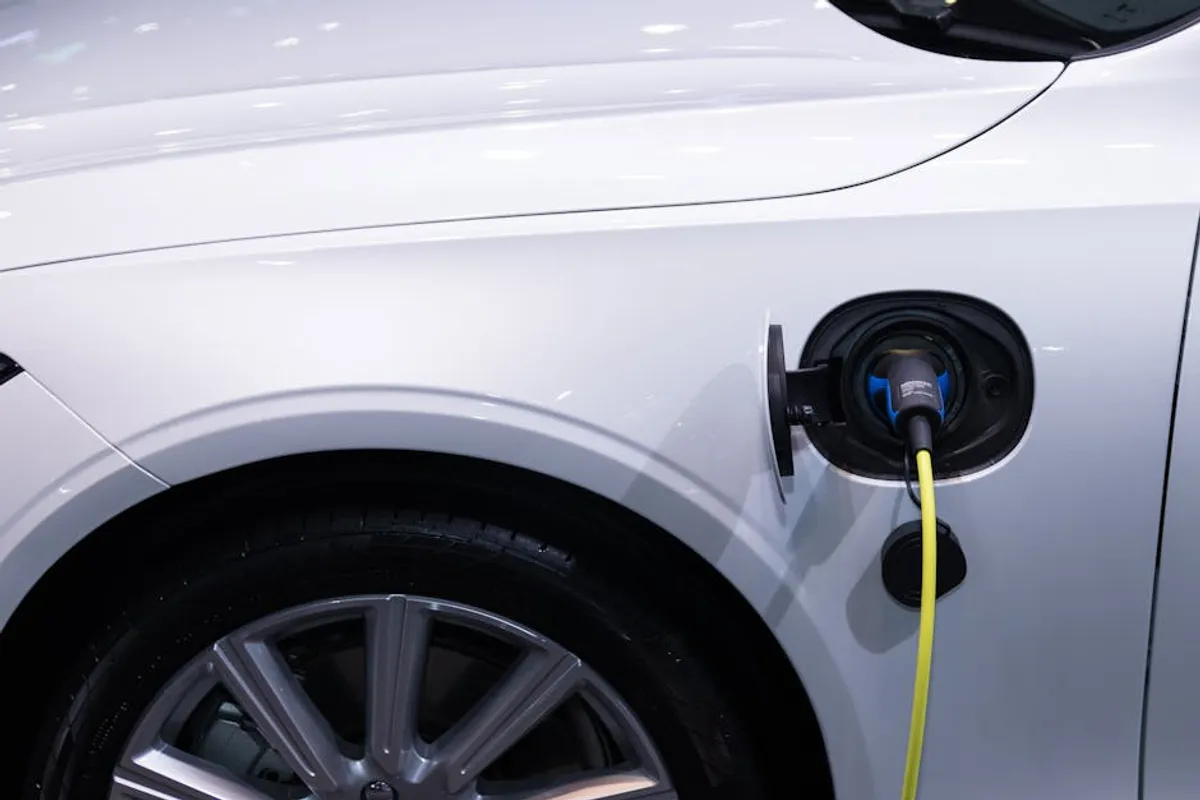
Plug-in hybrids feature a larger battery pack and a more powerful electric motor, allowing for a substantial all-electric driving range before the gasoline engine activates. Unlike mild or full hybrids, PHEVs must be plugged into an external power source to recharge their batteries, similar to an electric vehicle. This dual nature offers flexibility: daily commutes can be electric-only, while longer trips benefit from the gasoline engine's range.
- Function: Extended all-electric driving, engine and electric combined power, external charging required.
- Electric-only range: Substantial, typically 20-50 miles, varying by model and battery size.
- Fuel efficiency gains: Highest when regularly charged, potentially over 100 MPGe (miles per gallon equivalent) for electric driving. Fuel efficiency drops to HEV levels once the battery is depleted.
- Complexity: Higher, involving both a full hybrid system and charging infrastructure requirements.
Key Factors in Hybrid Car Selection
Beyond the powertrain type, several practical considerations influence the suitability and value of a hybrid vehicle.
Fuel Efficiency vs. Performance
While fuel efficiency is a primary motivator for hybrid buyers, some models prioritize a balance with performance. High-performance hybrids may offer impressive acceleration but with less dramatic fuel savings compared to their efficiency-focused counterparts. Evaluate whether your priority is maximum MPG or a more dynamic driving experience.
Driving Range and Charging (for PHEVs)
For PHEVs, the all-electric range dictates how much of your daily driving can be done without using gasoline. Consider your typical daily commute and access to charging at home or work. A PHEV's full benefit is realized when its battery is frequently charged, minimizing gasoline consumption.
Maintenance and Longevity
Hybrid systems introduce additional components, specifically the electric motor and battery. While modern hybrid batteries are designed for the life of the vehicle and often come with substantial warranties (typically 8-10 years or 100,000-150,000 miles), understanding potential long-term maintenance costs is important. Hybrid powertrains often experience less wear on brake components due to regenerative braking, which can offset some costs.
Resale Value
Hybrid vehicles generally hold their value well, often on par with or exceeding their conventional gasoline counterparts. The demand for fuel-efficient vehicles, especially as fuel prices fluctuate, contributes to this trend. Research specific models' resale performance to inform your decision.
Evaluating Your Driving Habits
Your typical driving routine is a critical determinant in choosing the right hybrid.
Best for: Urban drivers with frequent stop-and-go traffic will see the most significant fuel economy benefits from full hybrids (HEVs) and PHEVs, as electric motors are most efficient at lower speeds and during frequent braking. Highway driving, where the gasoline engine operates more consistently, yields less dramatic hybrid efficiency gains, though still an improvement over pure gasoline engines.
Consider: If your daily commute is under 20-30 miles and you have reliable access to charging, a PHEV could allow you to drive almost exclusively on electricity, drastically reducing fuel consumption. Without consistent charging, a PHEV functions largely as a heavier, more expensive full hybrid, negating its primary advantage. When deciding between electric and hybrid, understanding the differences between EV pickup trucks vs hybrid cars can help clarify your choice.
Financial Considerations
The total cost of ownership extends beyond the sticker price.
Purchase Price and Incentives
Hybrids, particularly PHEVs, often have a higher initial purchase price than comparable gasoline-only models. However, federal, state, and local incentives or tax credits for new PHEV purchases can significantly reduce this upfront cost. Research available incentives in your region before committing.
Insurance Costs
Insurance premiums for hybrids can sometimes be slightly higher due to the increased complexity and cost of repairing hybrid-specific components. Obtain insurance quotes for specific hybrid models you are considering to factor this into your budget.
Pro Tip: When evaluating a hybrid, inquire about the battery warranty and estimated replacement cost. While modern hybrid batteries are designed for longevity, understanding this potential future expense, even if unlikely, provides a complete financial picture. Many manufacturers offer extensive warranties, but knowing the out-of-pocket cost post-warranty offers peace of mind.
Test Driving a Hybrid
The driving experience in a hybrid can differ from a conventional car. Pay attention to specific aspects during a test drive:
- Transition Smoothness: Observe how seamlessly the vehicle switches between electric and gasoline power. Jerky transitions can detract from the driving experience.
- Braking Feel: Regenerative braking systems can sometimes feel different from traditional hydraulic brakes. Ensure the brake pedal feel is consistent and predictable.
- Cabin Noise: Note the noise levels when running on electric power, when the engine kicks in, and during combined operation. Some hybrids are exceptionally quiet, while others may have noticeable engine noise when the gasoline engine engages.
- Power Delivery: Assess acceleration and responsiveness in various driving conditions, including highway merging and city driving.
Making an Informed Choice
Selecting a hybrid car involves weighing efficiency, technology, and personal driving patterns. Prioritize understanding the specific hybrid system, its real-world implications for your daily use, and the total cost of ownership over its lifespan. A thorough evaluation ensures the chosen hybrid vehicle genuinely meets your needs and expectations for both performance and economy.
Frequently Asked Questions
Do hybrid cars require special fuel?
No, most hybrid cars use regular unleaded gasoline. Some performance-oriented hybrids might recommend premium fuel, but this is typically specified in the owner's manual and not due to their hybrid nature.
How long do hybrid car batteries last?
Hybrid batteries are designed to last the lifetime of the vehicle, often exceeding 150,000 miles or 10 years. Manufacturers typically offer warranties of 8-10 years or 100,000-150,000 miles, depending on the region and specific model. Degradation over time is normal, but complete failure is rare.
Are hybrid cars more expensive to maintain?
Not necessarily. While they have additional components (electric motor, battery), many traditional maintenance items like brakes may last longer due to regenerative braking. Routine maintenance costs are often comparable to conventional gasoline vehicles, though specialized diagnostics or repairs for hybrid components can be more costly if required outside of warranty.
Can you drive a plug-in hybrid (PHEV) without charging it?
Yes, a PHEV can be driven without charging its battery. Once the electric range is depleted, the vehicle operates as a traditional full hybrid (HEV), using its gasoline engine and regenerative braking to assist in propulsion and maintain a minimal battery charge. However, consistently driving a PHEV without charging negates its primary fuel efficiency advantage.