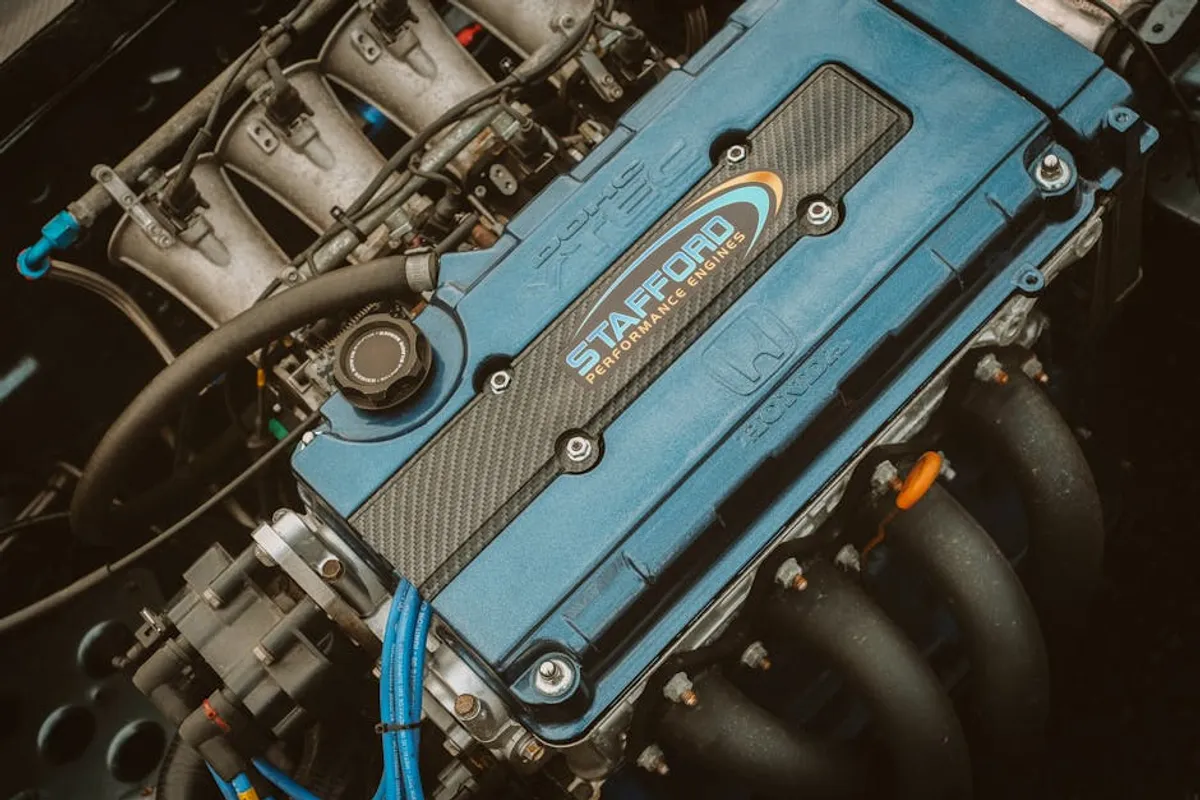
The decision between acquiring a Honda Acty and opting for a cheap sports car represents a fundamental divergence in vehicle ownership priorities. While both categories offer distinct advantages at a relatively accessible price point, they cater to entirely different use cases, operational considerations, and driving experiences. This comparison aims to delineate the practical, financial, and experiential factors involved, enabling a clear assessment of which vehicle type aligns with specific needs and preferences. This comparison aims to delineate the practical, financial, and experiential factors involved, enabling a clear assessment of which vehicle type aligns with specific needs and preferences, including the kei truck alternative.
The Honda Acty: A Micro-Utility Proposition
The Honda Acty, a prominent example of Japan's kei class vehicle segment, offers a unique blend of compact dimensions and surprising utility. These vehicles typically feature a 660cc engine, compliant with Japanese kei car regulations, designed for fuel efficiency and maneuverability in congested urban environments. Common configurations include mini trucks and microvans, both optimized for cargo capacity relative to their diminutive footprint. An Acty truck, for instance, often provides a flatbed capable of carrying approximately 350 kg (770 lbs) with a low loading height, making it highly practical for light hauling, small business deliveries, or as a unique promotional vehicle.
Key characteristics:
- Compact Dimensions: Under 3.4 meters long and 1.48 meters wide, ideal for tight spaces and urban navigation.
- Fuel Efficiency: Engines are designed for economy, often achieving 35-45 MPG under ideal conditions, though real-world figures vary with load and driving style.
- Utility Focus: Designed for practicality, with robust chassis for cargo and often 4WD options for varied terrain.
- Acquisition Cost: Imported Actys typically range from $5,000 to $15,000, influenced by age, condition, mileage, and import tariffs.
- Maintenance Profile: Simpler mechanicals generally translate to lower labor costs, but specialized parts may require international sourcing, impacting lead times and shipping expenses.
The Acty appeals to those prioritizing functionality, efficiency, and a distinctive aesthetic. Its commercial viability for niche applications, such as campus maintenance, urban landscaping, or local delivery, is a significant draw.
The Allure of Affordable Sports Cars
Conversely, the category of "cheap sports cars" encompasses a diverse range of vehicles engineered primarily for driving engagement and performance. These cars prioritize attributes like responsive handling, direct steering, and often a more potent engine than utilitarian counterparts. While specific models vary widely, the common thread is an emphasis on the driver's experience, often featuring rear-wheel drive, manual transmission options, and a lower center of gravity.
Key characteristics:
- Performance Orientation: Focus on acceleration, cornering ability, and dynamic feedback.
- Driving Engagement: Designed to be enjoyable on winding roads, offering a more visceral connection to the driving process.
- Styling: Often feature aggressive or aerodynamic designs, prioritizing aesthetics over outright cargo volume.
- Acquisition Cost: Can range from $8,000 for older, well-maintained examples to $25,000 for newer, entry-level models. Depreciation curves vary significantly by model and demand.
- Maintenance Profile: Can be higher due to specialized components, performance-oriented consumables (tires, brakes), and potentially more complex engine/drivetrain systems. Aftermarket modification is common, which can impact reliability if not done professionally.
This segment targets enthusiasts seeking an emotional connection to their vehicle, for whom the act of driving itself is a primary motivator. The practical limitations, such as limited passenger or cargo space, are often secondary considerations.
Direct Comparison Factors
Acquisition and Running Costs
Initial purchase prices for both types can overlap, but the total cost of ownership (TCO) diverges. An Acty's TCO benefits from its superior fuel economy and simpler mechanical design, often leading to lower routine maintenance expenses. However, sourcing specific JDM (Japanese Domestic Market) parts can incur higher shipping costs and longer lead times. For sports cars, while fuel efficiency is generally lower, parts availability is typically better in markets where they were originally sold. Performance-oriented tires, brakes, and specialized fluids contribute to higher consumable costs. Insurance premiums for sports cars are also frequently higher due to perceived risk and repair costs.
Practicality and Utility
This is where the two vehicle types are most distinct. The Honda Acty excels in urban utility, offering compact dimensions for easy parking and maneuverability, coupled with surprising cargo capacity. Its low load floor and open bed (for truck variants) are invaluable for transporting goods. Sports cars, by contrast, are inherently less practical for hauling. Their design prioritizes aerodynamics and passenger comfort for two occupants, with minimal cargo space typically limited to a small trunk or rear parcel shelf. For daily commuting, an Acty's upright seating and visibility can be advantageous in stop-and-go traffic, while a sports car's lower seating position and potentially stiffer suspension may be less comfortable over varied road surfaces.
Driving Experience and Performance
The driving experience is the core differentiator. The Acty provides a utilitarian, often charmingly agricultural, drive. Its 660cc engine delivers modest power, emphasizing torque for hauling rather than outright speed. Handling is predictable but not designed for spirited driving. Sports cars, conversely, are engineered for exhilaration. Their engines, whether naturally aspirated or turbocharged, deliver quicker acceleration, and their suspension and chassis tuning are optimized for cornering and dynamic response. The connection to the road is more direct, offering a rewarding experience for those who value driving dynamics.
Pro Tip: When considering an imported Honda Acty, always factor in potential compliance costs. Some regions may require modifications for road legality, such as lighting adjustments or emissions system changes, which can significantly increase the overall investment beyond the purchase price. Research local regulations thoroughly before committing.
Maintenance and Reliability
Honda's general reputation for reliability extends to the Acty, but its JDM origin means certain parts are not stocked by mainstream auto parts retailers outside Japan. Owners often rely on specialist importers or online international suppliers. Basic maintenance items are usually cross-compatible with other small Honda engines. Sports cars, particularly older or higher-performance models, can demand more frequent and specialized maintenance. Performance components wear faster, and complex systems may require diagnostic tools or expertise beyond a general mechanic. The aftermarket support for popular sports cars is extensive, offering both performance upgrades and replacement parts, though quality varies.
Making Your Decision: Prioritizing Ownership Values
The choice between a Honda Acty and a cheap sports car boils down to a clear prioritization of values. If your primary need is a highly maneuverable, fuel-efficient vehicle for light hauling, urban deliveries, or a unique project that stands out, the Honda Acty presents a compelling case. Its low operational costs and distinct character make it a practical and conversation-starting option. It serves as a tool for specific tasks or a platform for creative customization.
Conversely, if the thrill of driving, responsive handling, and a focus on performance are paramount, an affordable sports car will deliver that experience. It's a purchase driven by passion and the desire for an engaging journey, even if it means compromising on cargo space or incurring higher running costs. Understanding whether your budget is for a utilitarian workhorse with unique flair or a dedicated driver's machine is the critical step.
Frequently Asked Questions
What is the typical fuel economy of a Honda Acty?
Honda Acty models typically achieve between 35 to 45 miles per gallon (MPG) under ideal conditions, though real-world figures can vary based on load, driving style, and specific engine variant.
Are parts for the Honda Acty readily available outside of Japan?
While common wear items can often be cross-referenced, specific body panels, unique engine components, or interior pieces for the Honda Acty generally require sourcing from specialist importers or international online retailers, which can affect availability and shipping times.
What defines a "cheap" sports car in the context of this comparison?
In this context, a "cheap" sports car refers to models typically available for under $25,000 (and often significantly less for older examples) that prioritize driving dynamics, performance, and driver engagement over luxury or practicality.
Which vehicle type generally incurs higher insurance costs?
Sports cars generally incur higher insurance premiums than utilitarian vehicles like the Honda Acty due to factors such as higher repair costs, greater perceived risk of accidents, and the demographics of their typical owners.