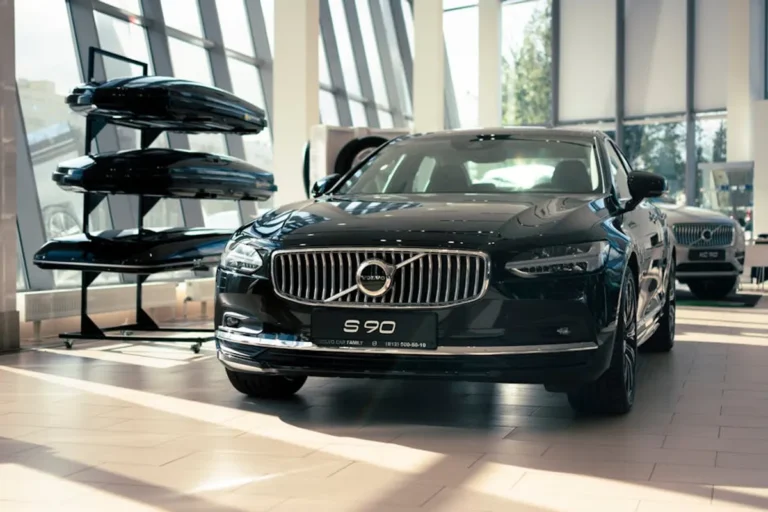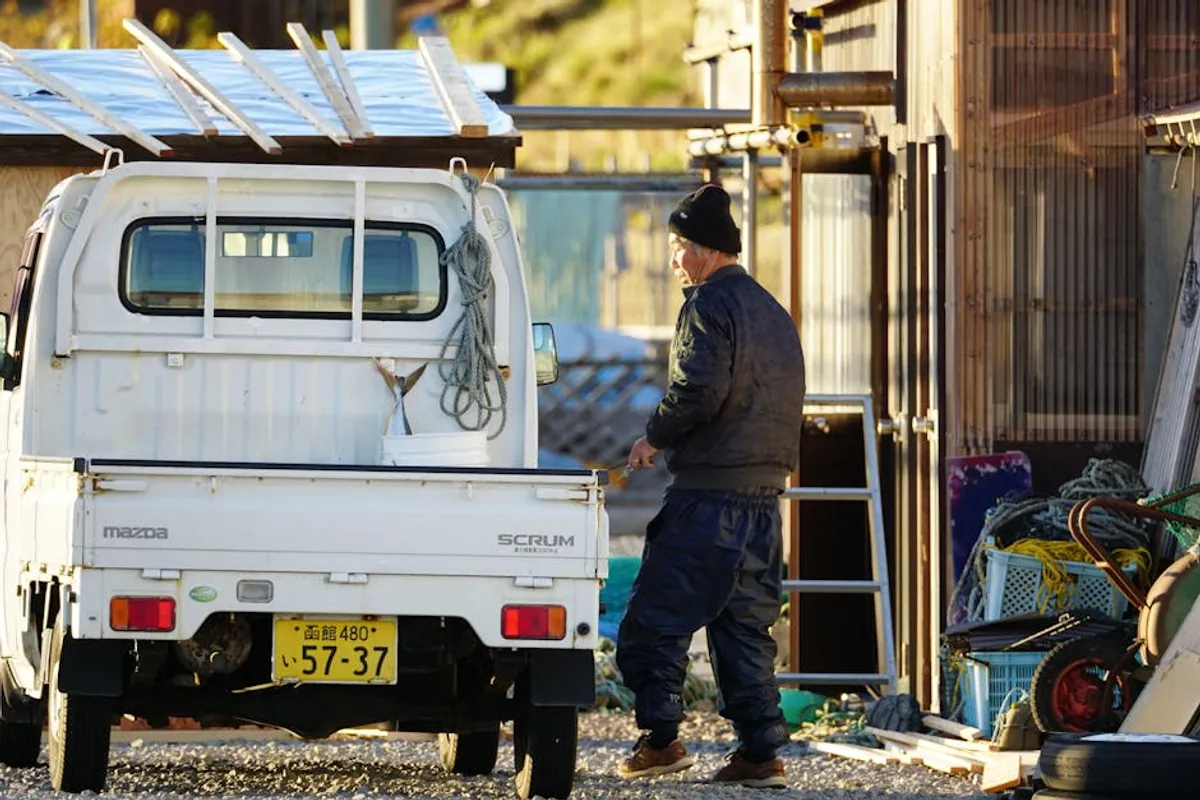
Deciding between a Kei truck and a cheap sports car involves a fundamental choice between utility and driving exhilaration, each representing a distinct approach to vehicle ownership and purpose. For buyers operating on a constrained budget, both categories offer compelling entry points into vehicle ownership, yet their functional roles diverge significantly. A Kei truck prioritizes compact utility, robust design for light-duty work, and exceptional maneuverability in tight spaces, often with the added allure of unique import status. Conversely, a cheap sports car focuses on delivering an engaging driving experience through responsive handling, spirited acceleration, and a design aesthetic centered on performance, typically at a lower acquisition cost than new performance vehicles.
Kei Trucks: Micro-Utility and Niche Appeal
Kei trucks are a class of Japanese light commercial vehicles, characterized by their diminutive size and engine displacement, typically limited to 660cc. These vehicles are engineered for maximum efficiency in congested urban environments or for specific agricultural and industrial applications where larger vehicles are impractical. Their design prioritizes a flatbed or cargo area, a cab-over configuration for optimized space, and often a robust 4WD system for off-road capability.
Operational Advantages and Constraints
The primary advantage of a Kei truck lies in its operational cost and utility. Fuel efficiency is generally high due to the small engine, and their compact footprint makes parking and navigating narrow roads effortless. Many models feature fold-down beds on three sides, simplifying loading and unloading. For small businesses, farms, or property owners requiring a dedicated utility vehicle without the expense or footprint of a full-size pickup, a Kei truck offers a pragmatic solution.
- Low Acquisition Cost: Used Kei trucks, especially imported models, often present a lower initial purchase price compared to many new or used full-size trucks.
- Exceptional Maneuverability: Their short wheelbase and tight turning radius are unmatched by larger vehicles, ideal for crowded areas or confined worksites.
- Fuel Efficiency: Small engines translate to reduced fuel consumption, lowering running costs.
- Versatile Utility: Open beds, often with three-way gates, accommodate diverse cargo, from landscaping materials to tools.
- Unique Aesthetic: Their distinctive, often quirky design appeals to those seeking a vehicle with character and a conversation starter.
However, Kei trucks come with inherent limitations. Their small engines produce modest horsepower, restricting highway speeds and acceleration. Safety features are typically basic, reflecting their original design for lower-speed, local use. Parts availability can be a challenge for imported models, often requiring specialized sourcing. Comfort for long-distance travel is also limited due to basic suspension and seating.
Cheap Sports Cars: Accessible Performance and Driving Engagement
Cheap sports cars encompass a broad category of vehicles designed to prioritize driving dynamics and performance over pure utility, but at a price point accessible to a wider market. This segment often includes older generations of popular sports cars, entry-level models, or vehicles with a strong aftermarket community that supports performance upgrades. The appeal is rooted in the direct connection between driver and road, the thrill of acceleration, and precise handling.
Performance Focus and Practical Considerations
The core proposition of a cheap sports car is an engaging driving experience. This is achieved through a combination of factors: usually a more powerful engine than a Kei truck, a sport-tuned suspension, lower center of gravity, and often a manual transmission. These vehicles are chosen for weekend drives, track days, or as a daily driver where driving pleasure is a priority.
- Driving Dynamics: Engineered for responsive steering, firm suspension, and minimal body roll, delivering an engaging feel.
- Acceleration: Typically offers significantly quicker acceleration than a Kei truck, providing a more thrilling driving experience.
- Aesthetic Appeal: Designed with sporty lines and often a lower profile, conveying a sense of speed and performance.
- Community & Aftermarket: Strong enthusiast communities and extensive aftermarket support for modifications and repairs are common, especially for popular models.
- Accessible Performance: Provides a gateway to performance driving without the premium price tag of new high-performance vehicles.
The practical considerations for cheap sports cars often include higher running costs. Fuel consumption is generally higher than Kei trucks, and insurance premiums can be elevated due to their performance nature. Maintenance, particularly on older models, may involve addressing wear-and-tear components specific to performance driving. Interior space and cargo capacity are usually minimal, limiting their utility for hauling or family transport.
Pro Tip: When considering an imported Kei truck, thoroughly research your state's specific registration and titling requirements. Many states have strict rules regarding vehicle age (e.g., 25 years or older for federal import exemption) and emissions compliance. Failure to comply can result in significant legal and financial complications, potentially rendering the vehicle unusable on public roads.
Key Decision Factors for Buyers
Purpose and Primary Use
The fundamental differentiator is intended use. A Kei truck serves as a utilitarian workhorse, ideal for property maintenance, small-scale deliveries, or off-road exploration where size is an asset. Its utility is in moving goods or navigating challenging terrain. A cheap sports car, conversely, is for personal enjoyment, focused on the driving experience, whether for spirited road trips, track days, or simply the pleasure of owning a performance-oriented vehicle. Buyers must prioritize either function-first utility or driver-centric enjoyment.
Budget and Total Cost of Ownership
While both categories offer low entry prices, the total cost of ownership varies. Kei trucks often have lower fuel costs, but potential import fees, specialized parts sourcing, and limited local repair expertise can add unexpected expenses. Cheap sports cars, while initially affordable, may incur higher insurance premiums, require premium fuel, and demand more frequent or specialized maintenance due to performance components or previous owner modifications. Factor in potential repairs for both, as older vehicles invariably require attention.
Driving Experience and Performance Expectations
Performance expectations are critical. A Kei truck delivers a utilitarian, slow-and-steady driving experience, emphasizing torque and maneuverability over speed. Its top speed is often limited to 60-70 mph, making long highway journeys less comfortable or efficient. A cheap sports car, even an older model, provides a significantly more dynamic experience with quicker acceleration, higher top speeds, and more responsive handling, designed for engaging driving rather than hauling.
Safety and Modern Features
Safety standards differ significantly. Many Kei trucks are designed to Japanese safety standards of their era, which may lack modern features like airbags, ABS, or advanced driver-assistance systems. Their small size also offers less crash protection than larger vehicles. Cheap sports cars, particularly newer models or those from the late 1990s onward, often incorporate more modern safety features, though older examples may still lack contemporary crash protection or driver aids.
Making Your Choice: Utility or Thrill
The decision hinges on your primary motivation for vehicle ownership. If your needs are rooted in practical utility—transporting light loads, navigating tight spaces, or a unique vehicle for property work—a Kei truck offers an unparalleled solution for its cost. Its charm lies in its functional simplicity and distinctive character. If, however, your priority is the pure joy of driving, the engagement of a responsive chassis, and the thrill of acceleration, a cheap sports car will deliver that experience more effectively. Assess your daily requirements, budget for ongoing costs beyond the purchase price, and consider the type of driving experience that genuinely excites you. Neither option is inherently superior; they simply cater to different automotive philosophies.
Frequently Asked Questions
Are Kei trucks legal to drive on public roads in the United States?
Yes, Kei trucks are generally legal for road use in the U.S. if they meet the 25-year import rule, making them exempt from federal safety and emissions standards. However, specific state regulations vary, and buyers should verify local titling and registration requirements before purchase.
What are the typical maintenance costs for a cheap sports car compared to a Kei truck?
Maintenance costs for a cheap sports car can be higher due to performance-oriented parts, specialized fluids, and potentially more complex systems. Kei trucks typically have simpler mechanicals, but parts for imported models may need to be sourced internationally, potentially increasing cost and wait times.
Can a Kei truck be used for highway driving?
While technically capable of highway speeds, Kei trucks are not ideal for extended highway driving. Their small engines mean limited power for merging or sustained high speeds, and their basic suspension and aerodynamics can make them less comfortable and stable at higher velocities.
What common issues should I look for when buying an older cheap sports car?
When purchasing an older cheap sports car, inspect for rust, especially in structural areas, and check for signs of accident damage or poor repairs. Evaluate engine health for leaks, unusual noises, or smoke, and assess the condition of the suspension, brakes, and tires for wear consistent with performance driving.