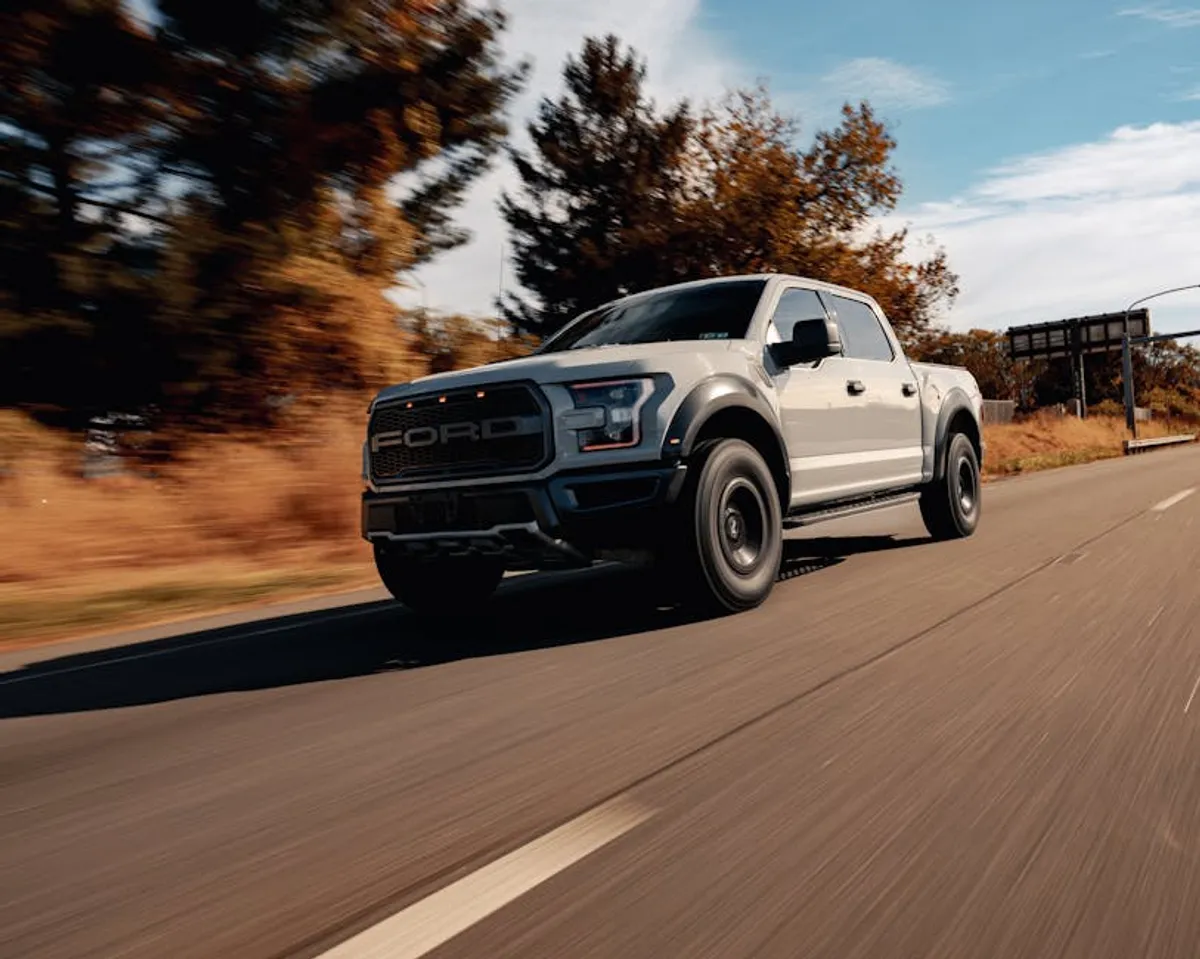
Choosing between the Ford F-150 and the Ram 1500 represents a pivotal decision for truck buyers, as both models consistently lead the full-size pickup segment in sales and innovation. While superficially similar, their engineering philosophies, interior approaches, and available technologies cater to distinct user priorities. This comparison aims to delineate the core differences, enabling a more informed purchase based on specific operational needs, comfort expectations, and long-term value considerations. For those leaning towards the Blue Oval, a comprehensive Ford F-150 buying guide can help navigate the various trims, engines, and practical tips available.
Performance and Powertrains
The powertrain lineup is a primary differentiator. Ford’s F-150 emphasizes a broad range of EcoBoost V6 engines, known for their turbocharged torque delivery and fuel efficiency, alongside a naturally aspirated V8 and the PowerBoost full-hybrid option. The PowerBoost integrates a 3.5-liter EcoBoost V6 with an electric motor, offering 430 horsepower and 570 lb-ft of torque, alongside the Pro Power Onboard generator system that can supply up to 7.2 kW of exportable power, a significant utility for worksites or recreational use.
Ram 1500, conversely, centers its offerings around the 3.6-liter Pentastar V6 and the 5.7-liter HEMI V8, both frequently paired with eTorque mild-hybrid technology. This system uses a belt-driven motor generator to assist with launch, optimize gear shifts, and enable smoother start/stop functionality, contributing to marginal fuel economy gains and enhanced low-end torque. The HEMI V8 without eTorque remains available for traditionalists. Ram's focus is on smooth power delivery and a distinctive V8 sound, particularly with the HEMI.
Towing and Payload:
- Ford F-150: Offers a maximum conventional towing capacity of up to 14,000 pounds (with the 3.5L EcoBoost) and a maximum payload of 3,310 pounds (with the 5.0L V8). Its aluminum-alloy body contributes to a lighter curb weight, directly impacting payload potential.
- Ram 1500: Achieves a maximum conventional towing capacity of 12,750 pounds (with the 5.7L HEMI V8 with eTorque) and a maximum payload of 2,300 pounds (with the 3.6L Pentastar V6).
These figures indicate the F-150 often holds an edge in raw work capacities, particularly for heavy-duty towing and payload scenarios.
Interior Design and Ride Comfort
Ram 1500 has consistently been lauded for its interior, often described as the most car-like and luxurious in the segment. Its cabin features higher-grade materials across more trim levels, superior sound insulation, and an available coil-spring rear suspension (or optional air suspension) that provides a notably smoother ride quality compared to the F-150’s leaf-spring setup. The Mega Cab option, unique to Ram, offers expansive rear passenger space and additional in-cab storage.
The Ford F-150’s interior prioritizes functionality and innovative work-oriented features. While still comfortable and well-appointed, especially in higher trims, its design leans towards practical utility. Features like the Stowable Shifter, which folds flat to create a larger flat workspace on the center console, and the Interior Work Surface, which transforms the center console into a usable desk, underscore its design for productivity. The ride, while refined for a truck, is generally firmer than the Ram’s, reflecting its work-first ethos.
Technology and Utility Features
Both trucks offer advanced infotainment and driver-assist systems, but their unique features target different use cases.
Ford F-150:
- Pro Power Onboard: Integrated generator system providing up to 7.2 kW of power, essential for tools, camping, or emergency backup.
- BlueCruise: Ford’s hands-free driving system for compatible highways, offering advanced semi-autonomous capability.
- Pro Trailer Backup Assist: Simplifies reversing with a trailer by allowing the driver to steer the trailer via a knob.
- Tailgate Work Surface: Integrated ruler, clamp pockets, and a tablet holder in the tailgate for on-site utility.
Ram 1500:
- Uconnect 5 System: Features a large 12-inch touchscreen with customizable widgets, wireless Apple CarPlay/Android Auto, and fast processing speeds.
- RamBox Cargo Management System: Lockable, lit, and drainable storage bins integrated into the bed rails, ideal for tools or beverages.
- Multifunction Tailgate: Offers traditional drop-down functionality plus 60/40 split swing-away doors for easier access to the bed.
- Harman Kardon Premium Audio: Available 19-speaker system, enhancing the luxury cabin experience.
Pro Tip: When evaluating either truck, pay close attention to the specific trim level and package configurations. Many of the most impactful features, such as advanced towing aids, hybrid powertrains, or premium interior materials, are often tied to specific packages that significantly alter the vehicle's capability and price point. A base model F-150 and a Laramie-trim Ram 1500 are fundamentally different propositions.
Making Your Final Decision
The choice between an F-150 and a Ram 1500 ultimately hinges on your primary use case and priorities. Neither truck is objectively "better" across all metrics; they simply excel in different areas.
Consider the Ford F-150 if:
- Your work demands maximum towing or payload capacity.
- You need substantial onboard power for tools or remote operations (Pro Power Onboard).
- You prioritize innovative work-specific features like the Interior Work Surface or Pro Trailer Backup Assist.
- You are interested in hybrid powertrain efficiency and performance.
Consider the Ram 1500 if:
- You prioritize a luxurious, quiet, and comfortable cabin experience.
- A smoother, more car-like ride is a high priority.
- Integrated, secure bed storage is critical (RamBox).
- You appreciate a premium infotainment system and high-end audio.
A thorough test drive of both models, ideally configured similarly to your intended purchase, is indispensable. Evaluate the ergonomics, the feel of the powertrain, and the practical utility of their unique features in person to determine which truck aligns best with your operational demands and personal preferences.
Frequently Asked Questions
Which truck offers better fuel economy?
The Ford F-150 PowerBoost hybrid typically offers the best fuel economy in the lineup, with an EPA-estimated 25 MPG combined. The Ram 1500's eTorque mild-hybrid systems also improve efficiency, with the Pentastar V6 eTorque achieving up to 23 MPG combined. This difference in MPG highlights the ongoing debate when comparing hybrid cars and EV pickups for overall efficiency.
Is the Ram 1500's coil-spring suspension significantly better than the F-150's leaf-spring?
The Ram 1500's standard coil-spring rear suspension (or optional air suspension) generally provides a smoother, more composed ride, especially when unladen, compared to the F-150's traditional leaf-spring setup. However, the F-150's leaf springs are often preferred for their robustness under maximum payload conditions.
Which truck has a better infotainment system?
Ram's Uconnect 5 system, especially with the available 12-inch vertical touchscreen, is often praised for its intuitive interface, responsiveness, and extensive customization options. Ford's SYNC 4 system is also highly capable, offering large screens and wireless connectivity, but the Uconnect 5 often receives higher marks for overall user experience.