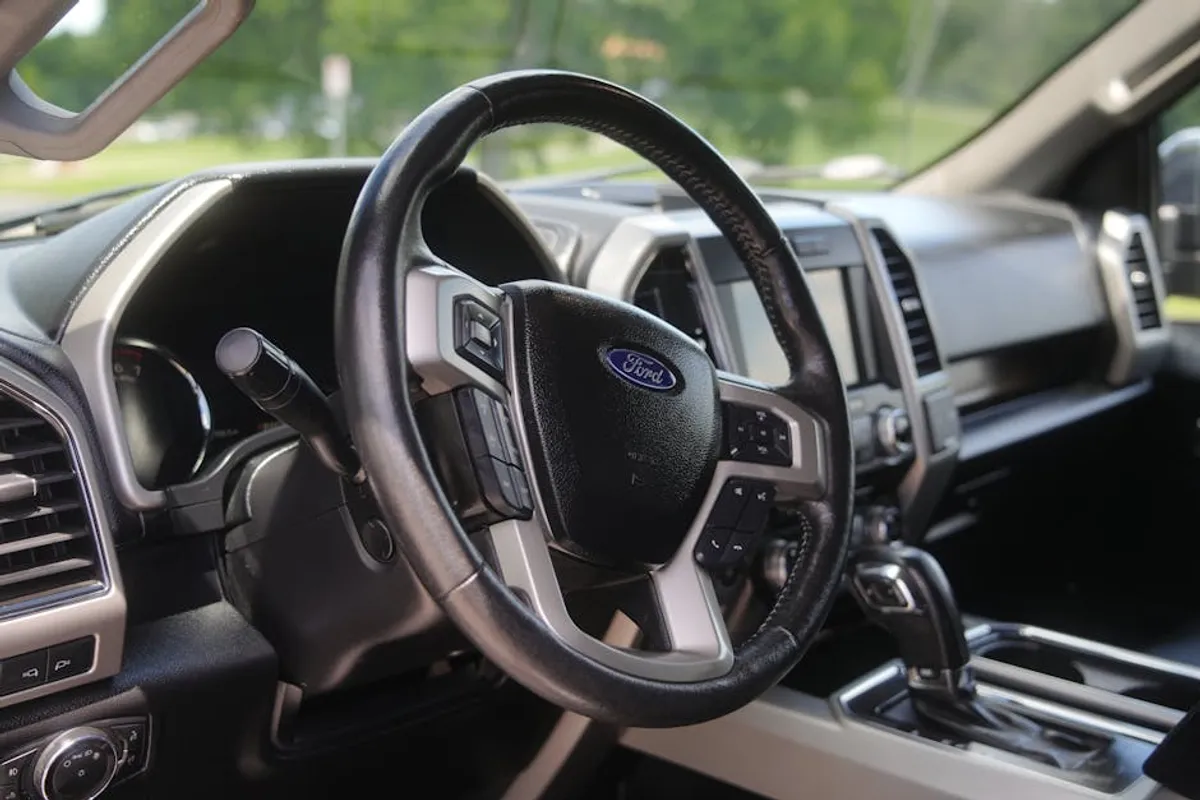
The Ford F-150 consistently leads the full-size pickup truck segment, a position earned through its extensive range of configurations, capabilities, and features. This breadth, while offering immense flexibility, also presents a complex decision-making process for potential buyers. Approaching an F-150 purchase requires a clear understanding of your specific needs and how the truck’s various iterations align with them, whether you prioritize towing capacity, off-road prowess, fuel efficiency, or luxury amenities. Understanding these core configurations, capabilities, and features will help narrow down your search significantly.
Defining Your F-150 Needs
Before exploring specific models or features, consider the primary role your F-150 will play. This foundational step dictates the appropriate engine, cab style, bed length, and trim level.
Intended Use Scenarios
- Daily Driver/Family Vehicle: Focus on comfort, cabin space (SuperCrew is often preferred), advanced safety features, and potentially a more fuel-efficient engine option.
- Work Truck: Prioritize payload capacity, towing capability, durable interior materials, and potentially a Regular Cab or SuperCab with a longer bed. The XL or XLT trims are common choices here.
- Heavy Towing/Hauling: Requires specific engine choices (e.g., 3.5L EcoBoost, 5.0L V8, PowerBoost Hybrid), appropriate axle ratios, and potentially the Max Trailer Tow Package.
- Off-Roading/Adventure: Look for 4x4 drivetrains, specialized suspension (found in Tremor or Raptor trims), skid plates, and all-terrain tires.
Understanding Core F-150 Configurations
The F-150's modular design allows for significant customization through its powertrain, cab, and bed options.
Engine Options and Their Implications
The F-150 offers a diverse powertrain lineup, each tailored for different priorities:
- 3.3L Ti-VCT V6: This naturally aspirated engine serves as the base, suitable for lighter duty and prioritizing initial cost and basic capability. It's often paired with XL and XLT trims.
- 2.7L EcoBoost V6: A turbocharged option that provides a balance of power and fuel efficiency. It delivers strong torque for its size, making it a capable choice for many users who need more than the base V6 but don't require maximum towing.
- 5.0L Ti-VCT V8: The traditional V8 choice, known for its robust sound, linear power delivery, and strong performance. It's a popular option for those who prefer a naturally aspirated engine for towing and general utility.
- 3.5L EcoBoost V6: This twin-turbocharged engine offers the highest conventional towing capacity in the F-150 lineup, delivering substantial horsepower and torque. It's a go-to for heavy-duty towing applications.
- 3.5L PowerBoost Full Hybrid V6: Combines the 3.5L EcoBoost with an electric motor. This system provides impressive power, fuel efficiency, and the unique Pro Power Onboard generator feature, offering significant wattage for job sites or tailgating.
Each engine has specific implications for fuel economy, towing capacity, and overall driving dynamics. Consider your expected load and mileage when making this selection.
Cab and Bed Combinations
The F-150 is available in three cab styles and three bed lengths, which can be combined in various ways:
- Regular Cab: Two doors, seating for three. Typically paired with 6.5-foot or 8-foot beds. Best for: Work trucks where maximum passenger capacity isn't a priority, but bed length is.
- SuperCab (Extended Cab): Two full-size front doors and two smaller, rear-hinged doors. Seating for five or six. Available with 6.5-foot or 8-foot beds. Best for: Occasional rear passenger use or additional secure interior storage, balancing passenger space with a longer bed.
- SuperCrew (Crew Cab): Four full-size doors, seating for five or six. Available with 5.5-foot or 6.5-foot beds. Best for: Family use, frequent rear passengers, or those prioritizing maximum interior comfort and accessibility.
Navigating Trim Levels and Features
F-150 trim levels range from basic work-oriented models to luxurious, feature-rich trucks. Understanding this spectrum is key to managing your budget and expectations.
Trim Level Overview
- XL: The entry-level work truck. Basic features, durable interior, often includes essential connectivity.
- XLT: Adds more comfort, convenience features, and cosmetic upgrades like chrome bumpers and alloy wheels. A popular choice for a balance of features and value.
- Lariat: Introduces more upscale materials, larger infotainment screens, leather seating, and advanced technology features.
- King Ranch: Distinctive Western-themed styling, premium leather, and advanced comfort features.
- Platinum: Focuses on luxury and advanced technology, often including unique interior accents and comprehensive driver-assist systems.
- Limited: The top-tier luxury trim, featuring the most advanced technology, premium materials, and exclusive styling cues.
- Tremor: An off-road oriented trim with specific suspension tuning, increased ground clearance, and unique styling, positioned between the FX4 package and the Raptor.
- Raptor: The high-performance off-road specialist, featuring a long-travel suspension, wider stance, and a powerful engine designed for high-speed desert running.
Each trim level builds upon the previous one, adding features and increasing the price. Carefully evaluate which amenities are essential for your use case.
New Versus Used F-150 Considerations
Deciding between a new or used F-150 involves weighing cost against the latest technology and warranty coverage.
Benefits of a New F-150
Purchasing new offers the latest advancements in technology, safety features, and powertrain options. A full factory warranty provides peace of mind against unexpected repairs. Customization options are also at their peak, allowing you to spec the truck exactly to your preferences.
Benefits of a Used F-150
A used F-150 benefits from significant depreciation savings, often allowing access to higher trim levels or more powerful engine options within a specific budget. The market for used F-150s is vast, offering a wide selection across various model years and configurations. However, older models may lack the most current safety or infotainment technologies.
Pro Tip: When considering a used Ford F-150, always request comprehensive service records. Consistent maintenance, especially for powertrain components and fluid changes, significantly impacts the vehicle's long-term reliability and resale value. A pre-purchase inspection by an independent mechanic is also highly advisable to identify any hidden issues.
Financing and Total Cost of Ownership
Beyond the sticker price, consider the broader financial implications of F-150 ownership.
Budgeting Beyond the Purchase Price
Factor in potential financing costs, insurance premiums (which can vary significantly based on trim, engine, and driver history), and ongoing fuel expenses. The F-150's fuel economy can range widely depending on the engine and drivetrain chosen. Additionally, consider maintenance costs; while parts are generally widely available, specialized components on higher trims or performance models can be more expensive.
Making Your Informed F-150 Decision
The ideal Ford F-150 is the one that best matches your specific requirements and budget. Begin by clearly outlining your primary use cases, then research the engine, cab, and bed configurations that support those needs. Evaluate trim levels based on essential features versus desired luxuries. Whether opting for new or used, thorough research and inspection are non-negotiable steps to ensure satisfaction with your purchase. Don't hesitate to test drive multiple configurations and negotiate pricing and terms to secure the best deal.
Frequently Asked Questions
What is the best F-150 engine for towing?
For maximum conventional towing capacity, the 3.5L EcoBoost V6 is generally recommended. The 5.0L V8 and the 3.5L PowerBoost Full Hybrid V6 also offer strong towing capabilities, with the hybrid adding efficiency and onboard power generation.
Should I buy a new or used F-150?
A new F-150 offers the latest technology, full warranty coverage, and customization options. A used F-150 provides significant cost savings due to depreciation and a broader selection of configurations across various model years. Your budget and priority for new features versus value will guide this decision.
What's the difference between SuperCab and SuperCrew?
The SuperCab has two full-size front doors and two smaller, rear-hinged doors, offering moderate rear passenger space. The SuperCrew features four full-size doors and provides the most generous rear legroom, making it the preferred choice for regular rear passengers or family use.
Are F-150s expensive to maintain?
Maintenance costs for an F-150 are generally in line with other full-size pickup trucks. Routine maintenance is typically affordable due to widespread parts availability. However, costs can increase for specialized components on higher trims, performance models like the Raptor, or if significant repairs are needed on complex systems like the hybrid powertrain.