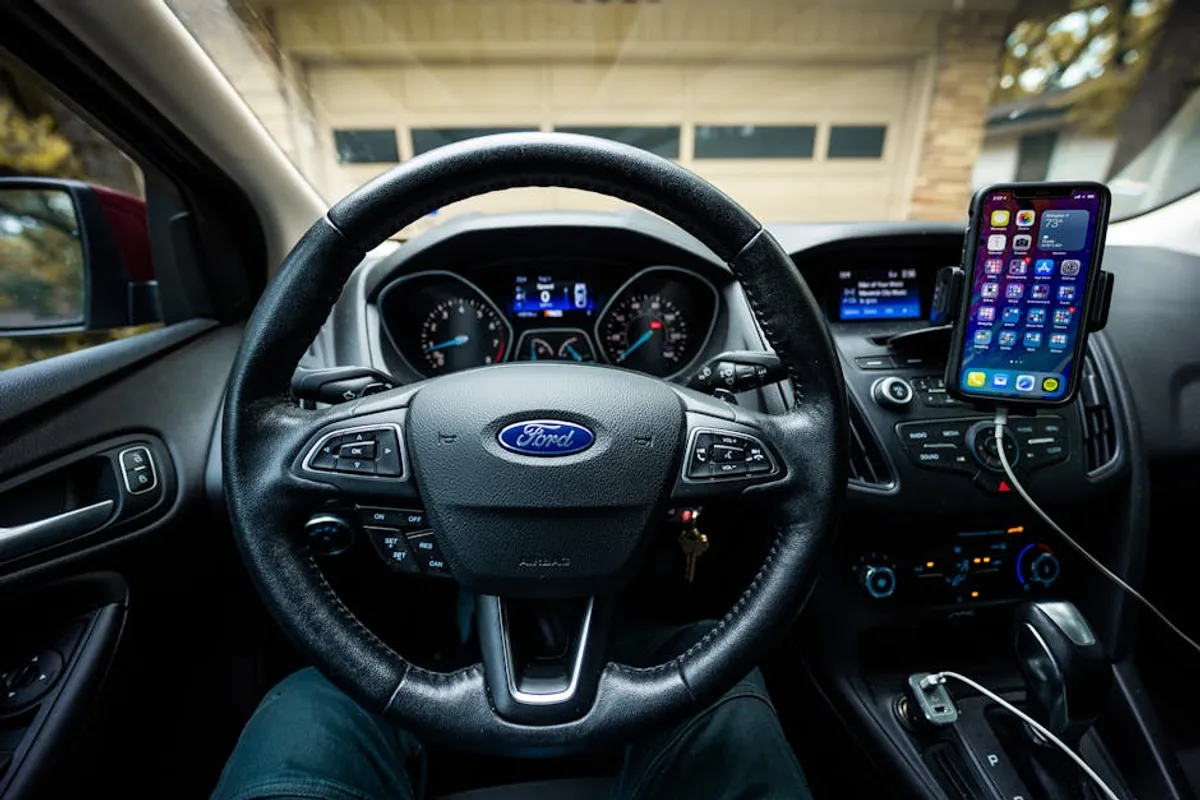
The Ford F-150 consistently ranks as one of North America's best-selling vehicles, a testament to its utility, durability, and broad appeal. For many, a new F-150 represents a significant investment, making the used market a highly attractive alternative. Acquiring a pre-owned F-150 can offer substantial value, providing comparable capability at a lower cost. However, navigating this market effectively requires a disciplined approach to pricing, diligent vehicle inspections, and an awareness of common acquisition pitfalls. This guide details the critical considerations for securing a used F-150 that meets both your operational needs and budgetary constraints. This guide details the critical considerations for securing a used Ford F-150, and covers everything you need to know about buying a used Ford F-150.
Understanding Used F-150 Pricing
The value of a used Ford F-150 fluctuates based on a confluence of factors, making thorough price research indispensable. Relying solely on a seller's asking price without independent verification exposes buyers to overpayment or overlooking better opportunities.
Factors Influencing Value
Several key variables dictate a used F-150's market price:
- Year and Generation: Newer models, particularly those within the current generation (e.g., 2021+), command higher prices due to updated technology, improved powertrains, and contemporary styling. Older generations depreciate more rapidly.
- Mileage: Lower mileage generally correlates with higher value, as it suggests less wear on critical components. However, very low mileage on an older truck can sometimes indicate infrequent use, which might lead to other issues like dried seals or neglected maintenance.
- Trim Level and Features: Lariat, King Ranch, Platinum, and Limited trims, equipped with luxury features like leather interiors, advanced infotainment, and driver-assist technologies, will be significantly more expensive than XL or XLT work-truck variants. Optional packages (e.g., FX4 Off-Road, Max Trailer Tow) also add value.
- Engine Type: The F-150 offers a range of engines, from the base V6 to various EcoBoost V6s and the traditional V8. The 3.5L EcoBoost and 5.0L V8 often hold their value well due to their balance of power and reliability.
- Condition: The vehicle's overall physical and mechanical state is paramount. A truck with a clean exterior, well-maintained interior, and no outstanding mechanical issues will always fetch a premium over one requiring significant reconditioning.
- Location: Regional demand and supply can affect pricing. Trucks in areas with high demand for pickups, or those less exposed to road salt (reducing rust), may command higher prices.
Researching Market Prices
Before engaging with sellers, establish a realistic price range for your desired F-150 configuration. Utilize online valuation tools and browse listings on reputable automotive marketplaces. Compare trucks with similar year, mileage, trim, and condition. Pay attention to the asking prices and, where available, actual sale prices. This data provides a baseline for negotiation and helps identify outliers, whether underpriced (potentially problematic) or overpriced (requiring significant negotiation).
Essential Checks Before Purchase
A comprehensive evaluation extends beyond cosmetic appeal. Overlooking critical inspections can lead to significant post-purchase expenses and safety hazards.
Vehicle History Report
Obtain a detailed vehicle history report using the Vehicle Identification Number (VIN). This report should reveal:
- Accident History: Details of any reported collisions, including severity and repair records. Even minor accidents can indicate underlying structural issues if not properly repaired.
- Title Issues: Check for salvage, flood, fire, or rebuilt titles. These titles significantly reduce a truck's value and can indicate severe, potentially unrepairable damage.
- Service Records: A consistent history of maintenance indicates a diligent previous owner. Gaps in service records can suggest neglect.
- Mileage Discrepancies: Ensure the reported mileage aligns with the vehicle's age and condition, and that there are no odometer rollback warnings.
- Recalls: Verify if any open recalls exist and if they have been addressed.
Mechanical Inspection
A pre-purchase inspection (PPI) by an independent, certified mechanic specializing in Ford trucks is non-negotiable. This professional assessment identifies issues that are not apparent to the untrained eye. The mechanic should scrutinize:
- Engine and Transmission: Check for leaks, unusual noises, proper fluid levels, and overall operational health. Computer diagnostics can reveal stored error codes.
- Suspension and Steering: Inspect for worn components like ball joints, tie rods, shocks, and struts. These affect ride quality, handling, and tire wear.
- Brakes: Evaluate pad and rotor wear, caliper function, and fluid condition.
- Frame and Undercarriage: Look for rust, bends, or cracks, particularly in areas exposed to road salt or off-road use. Frame integrity is crucial for safety and structural longevity.
- Tires: Assess tread depth and uniform wear. Uneven wear can indicate alignment problems or suspension issues.
- Electrical Systems: Verify the functionality of all lights, infotainment, power windows, and other electronic components.
Test Drive Evaluation
A thorough test drive provides critical insights into the truck's operational characteristics. Drive the F-150 under various conditions—city streets, highways, and if possible, some rougher terrain. Pay attention to:
- Engine Performance: Smooth acceleration, no hesitation, and appropriate power delivery.
- Transmission Shifting: Smooth, timely shifts without jerking or slipping.
- Braking: Firm pedal feel, no pulling to one side, and effective stopping power.
- Steering: Precise and responsive, without excessive play or unusual noises.
- Suspension: Absorbs bumps effectively without excessive bounce or harshness.
- Unusual Noises: Listen for squeaks, rattles, clunks, or grinding sounds that could indicate underlying problems.
- Cabin Comfort: Assess seat comfort, HVAC performance, and overall interior noise levels.
Common Mistakes to Avoid
Buyers often make preventable errors that lead to dissatisfaction or unexpected costs. Awareness of these pitfalls can save significant time and money.
Overlooking Rust and Frame Damage
Rust, especially on the frame, can compromise the structural integrity of an F-150 and lead to costly, complex repairs. Superficial surface rust is common, but deep, pitting rust or any perforations indicate severe corrosion. Frame damage, often from accidents, can affect alignment, handling, and safety. Always inspect the frame thoroughly, particularly around suspension mounting points and welds.
Skipping a Pre-Purchase Inspection
This is arguably the most critical mistake. A seller's assurances or a clean visual inspection are insufficient. An independent mechanic's PPI provides an objective assessment of the truck's true condition, uncovering hidden issues that could cost thousands to repair. The expense of a PPI is a small fraction of potential repair bills.
Ignoring Service Records
A lack of documented maintenance history should be a red flag. Without records, there's no verifiable evidence that routine services (oil changes, fluid flushes, timing belt replacements) were performed. This uncertainty increases the risk of premature component failure and higher long-term ownership costs.
Falling for "Too Good to Be True" Deals
An F-150 priced significantly below market value often signals underlying problems. These could include severe mechanical issues, a salvaged title, undisclosed accident damage, or even a stolen vehicle. Exercise extreme caution with such listings and intensify your due diligence.
Pro Tip: When evaluating a used Ford F-150, always factor in potential immediate maintenance costs. Even a well-maintained truck might require new tires, brakes, or a major service soon after purchase. Budgeting 5-10% of the purchase price for immediate post-acquisition maintenance can prevent financial surprises.
Securing Your Used F-150 Purchase
The process of buying a used Ford F-150 requires patience and diligence. Start by clearly defining your needs in terms of cab style, bed length, engine, and trim. Research market values rigorously to establish a fair price range. Prioritize obtaining a comprehensive vehicle history report and, critically, scheduling an independent pre-purchase inspection with a trusted mechanic. During the test drive, evaluate the truck's performance across various conditions. Finally, be prepared to negotiate based on your research and inspection findings. By systematically addressing these areas, you significantly increase the likelihood of acquiring a reliable and valuable used F-150.
Frequently Asked Questions
What is a reasonable mileage for a used F-150?
While there's no strict rule, an F-150 with 12,000-15,000 miles per year of age is typical. Trucks with significantly lower mileage for their age might have been unused for extended periods, potentially leading to issues like dried seals, while very high mileage indicates extensive use, which can mean more wear on components.
Should I buy a used F-150 with a salvage title?
Generally, it is advisable to avoid vehicles with salvage titles. A salvage title indicates the vehicle was deemed a total loss by an insurance company due to severe damage (e.g., accident, flood, fire). While repaired, these trucks often have hidden issues, are harder to insure, and have significantly reduced resale value.
How important are service records for a used F-150?
Service records are extremely important. They provide a documented history of maintenance, indicating if the previous owner followed recommended service schedules. Consistent records suggest better care, which can translate to fewer unexpected repairs for you. A lack of records creates uncertainty about the vehicle's past care.
What are the most reliable F-150 engine options for used trucks?
Both the 3.5L EcoBoost V6 and the 5.0L V8 are generally considered reliable options for used F-150s, provided they have been well-maintained. The 3.5L EcoBoost offers strong towing and acceleration, while the 5.0L V8 provides traditional V8 power and sound. Reliability often comes down to individual vehicle maintenance history rather than inherent engine flaws.