Choosing between a Ford Bronco and a dedicated off-road truck involves more than just comparing specifications; it's about aligning a vehicle with your primary use case and lifestyle priorities. The decision hinges on whether your priority is pure trail capability and open-air adventure, or if you require the combined utility of an off-road-ready platform with significant hauling and towing capacity. Both categories offer robust 4x4 systems, elevated ground clearance, and specialized components for tackling challenging terrain, but their fundamental design philosophies diverge, impacting daily usability and long-term ownership. If you're weighing your options, understanding the specific differences between the Ford Bronco vs Toyota 4Runner can help clarify which SUV best suits your needs.
Defining the Ford Bronco's Off-Road Proposition
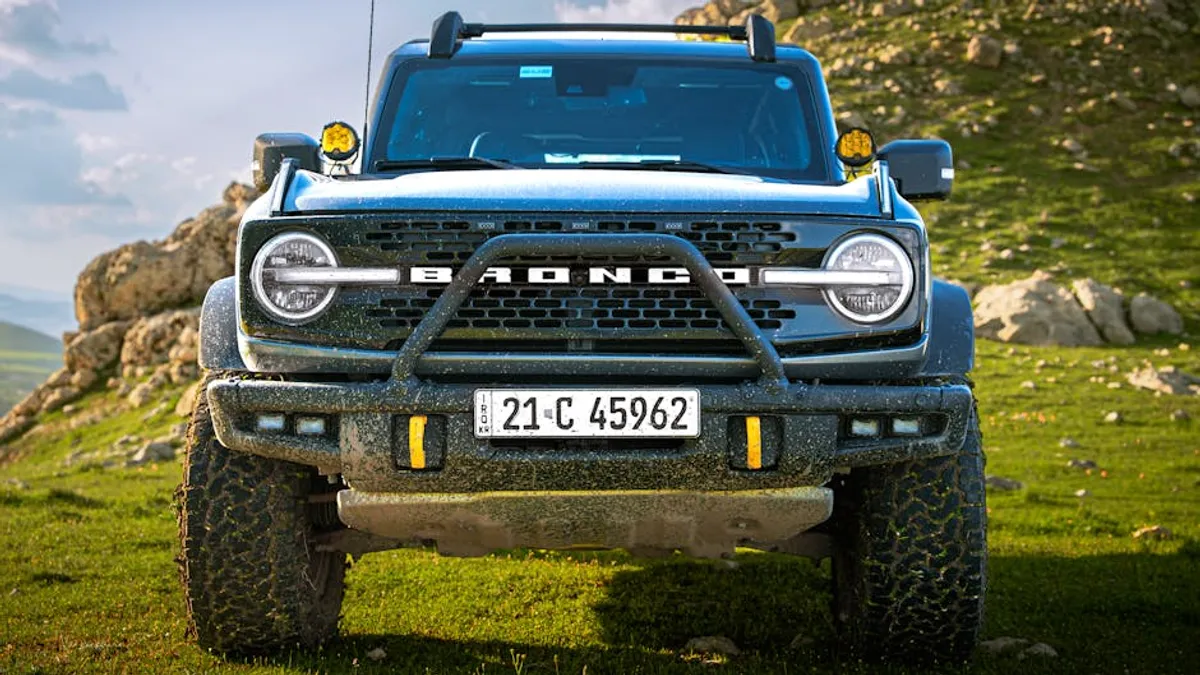
The Ford Bronco is engineered from the ground up as a dedicated off-road SUV, emphasizing trail performance and immersive adventure. Its design prioritizes approach, departure, and breakover angles, often exceeding those of many full-size trucks due to a typically shorter wheelbase and minimal overhangs, especially in the two-door configuration. The modular design, allowing for removable doors and roof panels, facilitates an open-air experience that trucks generally cannot replicate, enhancing the connection to the environment during off-road excursions.
Design and Trail Performance
Bronco models, particularly those equipped with the Sasquatch Package, feature factory-installed 35-inch tires, beadlock-capable wheels, lifted suspension, and wider fender flares. The available G.O.A.T. Modes (Goes Over Any Type of Terrain) integrate powertrain, steering, and braking systems to optimize performance across various surfaces like sand, mud, and rocks. Its independent front suspension contributes to improved on-road manners while still providing substantial articulation off-road. The optional front and rear locking differentials, along with a front stabilizer bar disconnect, further enhance traction and articulation in extreme conditions.
Interior and Passenger Experience
Inside, the Bronco's interior is designed for durability and ease of cleaning, often featuring marine-grade vinyl seating and rubberized floor mats with drain plugs. While the two-door model offers limited rear passenger space and cargo volume, the four-door variant provides more practical seating for four adults and a usable cargo area behind the second row. The enclosed cabin offers better protection from elements and a quieter ride compared to an open-bed truck, which can be a factor for longer trips or daily commuting.
Understanding Off-Road Trucks: The Utility Angle
Off-road trucks, such as the Ford F-150 Raptor, Ram TRX, or Toyota Tacoma TRD Pro, combine formidable off-road capability with the inherent utility of a pickup bed. These vehicles are designed for a dual role: conquering trails and performing work-related tasks, hauling gear, or towing trailers. Their longer wheelbases and heavier curb weights can sometimes limit maneuverability on extremely tight trails, but they excel in high-speed desert running and provide practical benefits for those who need a truck bed.
Hauling and Towing Capabilities
The primary advantage of an off-road truck is its open cargo bed. This allows for the transport of dirty gear, construction materials, ATVs, or camping equipment that might not fit or be suitable for an enclosed SUV cabin. Trucks typically offer significantly higher payload and towing capacities than the Bronco. For example, a Ford F-150 Raptor can tow over 8,000 pounds, while the Bronco's maximum towing capacity is generally around 3,500 pounds. This distinction is critical for buyers who regularly tow boats, larger trailers, or transport heavy loads for work or recreation. This significant difference in capability means that comparing off-road trucks vs Toyota Tundra models is vital for those with heavy-duty requirements.
Truck-Specific Off-Roading Considerations
While trucks are capable off-road, their longer wheelbases can lead to reduced breakover angles, making them more susceptible to high-centering on steep obstacles. However, many off-road trucks compensate with advanced suspension systems, like long-travel setups on the Raptor or TRX, designed for absorbing high-speed impacts over rough terrain. They also offer robust 4WD systems, locking differentials, and terrain management modes similar to the Bronco, ensuring substantial capability on dirt, sand, and rocks.
Key Differentiators in Capability and Use
- Maneuverability and Wheelbase: The Bronco, especially the two-door, generally has a shorter wheelbase, resulting in a tighter turning radius and superior breakover angles, making it more adept at navigating technical, tight trails. Trucks, with their longer wheelbases, offer more stability at higher speeds but can be cumbersome in confined spaces.
- Cargo and Versatility: Trucks provide an open bed for dirty, bulky, or oversized cargo, along with higher towing capacities. The Bronco offers an enclosed, more secure cargo area, albeit with less overall volume and lower weight limits, ideal for protecting gear from elements and theft.
- Open-Air Experience: The Bronco's removable doors and roof panels deliver a unique open-air driving experience, a core part of its appeal for recreational off-roading. Trucks, by design, do not offer this level of exposure to the environment.
- Daily Driving Comfort: While both can be daily drivers, the Bronco often offers a more refined and SUV-like ride quality on pavement, potentially making it more comfortable for extended commuting than some heavy-duty off-road truck setups.
Pro Tip: Evaluate your typical cargo. If you frequently transport items that are dirty, bulky, or require an open bed (e.g., lumber, dirt bikes, large camping gear), an off-road truck is the more practical choice. If your gear is primarily contained within bags and you value an enclosed, secure space, the Bronco's SUV format is suitable.
On-Road Driving and Daily Usability
For many buyers, the vehicle’s performance and comfort during daily commutes and highway travel are as important as its off-road prowess. The Ford Bronco, particularly the four-door model, often presents a driving experience closer to a traditional SUV, with a relatively composed ride and responsive steering for its class. The shorter overall length and often narrower body (compared to some full-size trucks) can make it easier to maneuver and park in urban environments.
Off-road trucks, while increasingly refined, still often exhibit characteristics of their utility-focused design. Their longer wheelbases can contribute to a smoother ride on highways, but the heavy-duty suspension and larger tires designed for off-road abuse can sometimes translate to a firmer, bouncier ride on pavement, especially when the bed is empty. Parking and navigating tight city streets can also be more challenging due to their increased length and width.
Making Your Purchase Decision
The choice between a Ford Bronco and an off-road truck ultimately comes down to your primary needs and how you intend to use the vehicle most often. If your passion is dedicated trail exploration, rock crawling, and an immersive open-air experience, with less emphasis on hauling large or dirty items, the Ford Bronco is likely the more tailored option. Its design prioritizes agility and specialized off-road features. However, if your lifestyle demands the versatility of an open cargo bed for work, extensive gear transport, or significant towing, combined with robust off-road capability for weekend adventures, an off-road truck will serve you better. Consider the balance between recreational off-roading, daily commuting comfort, and practical utility to make an informed decision.
Frequently Asked Questions
Which is better for towing, a Ford Bronco or an off-road truck?
Off-road trucks generally offer significantly higher towing capacities compared to the Ford Bronco, making them the superior choice for regularly hauling heavy trailers, boats, or other substantial loads.
Can the Ford Bronco be used as a daily driver?
Yes, the Ford Bronco, especially the four-door model, is designed to be a capable daily driver with a comfortable on-road ride and modern amenities, while still offering robust off-road performance.
What are the main advantages of an off-road truck over a Bronco for off-roading?
Off-road trucks often excel in high-speed desert running due to their longer-travel suspension and can carry more recovery gear or camping equipment in their open beds, offering a different type of off-road utility.
Is the Ford Bronco's modular design practical for everyday use?
The Bronco's removable doors and roof panels are practical for recreational use and offer a unique open-air experience, but they require storage space when removed and can increase wind noise or exposure to elements when in place.