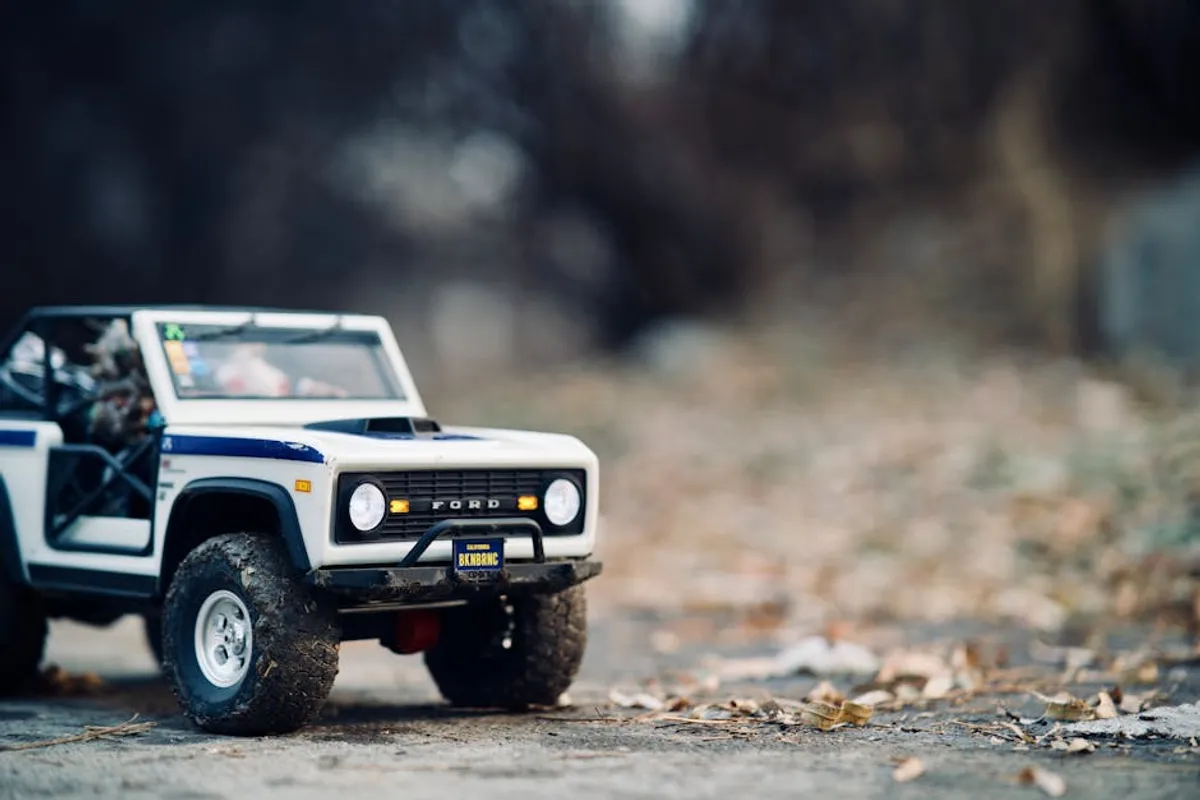
The Ford Bronco occupies a distinct position in the SUV market, appealing to buyers prioritizing off-road capability and heritage styling. For those considering a Bronco, understanding its long-term reliability profile is as critical as evaluating its performance specifications or trim levels. The decision to purchase a vehicle like the Bronco involves weighing its intended use against the practicalities of ownership, including potential maintenance demands and common issues reported by owners. This overview aims to provide a clear perspective on the Bronco's reliability, detailing frequently encountered problems and offering actionable advice for prospective and current owners to maintain vehicle health and mitigate risks. For those weighing options, understanding how the Ford Bronco vs Toyota 4Runner compare can clarify which off-road icon better suits your needs.
Common Ford Bronco Reliability Concerns
Since its reintroduction, the Ford Bronco has faced scrutiny regarding various components, particularly across early production models. While many owners report positive experiences, specific areas have shown a higher incidence of issues that potential buyers should be aware of. These often relate to complex mechanical systems and body integrity.
Engine and Drivetrain Issues
A notable area of concern for some Bronco owners, particularly those with the 2.7L EcoBoost V6 engine, has been valve train component failures. Reports have described issues such as dropped valves or premature wear of valve guides, potentially leading to significant engine damage. While not universal, these instances highlight the importance of understanding engine noise cues and adhering to service schedules. The 2.3L EcoBoost four-cylinder engine has generally shown fewer critical issues in this regard, though both engines require diligent oil changes and monitoring.
Transmission performance has also drawn attention. Some owners of both the 10-speed automatic and 7-speed manual transmissions have reported instances of rough shifting, clunking noises, or delayed engagement. These symptoms can sometimes be addressed with software updates, but persistent mechanical issues may require deeper diagnosis.
Owner Tip: Pay attention to any unusual noises or shift patterns during test drives and early ownership.
Electrical and Software Glitches
Modern vehicles are heavily reliant on complex electrical systems and software, and the Bronco is no exception. Owners have reported a range of electrical issues, from minor annoyances to more significant operational disruptions:
- Infotainment System Malfunctions: Freezing screens, unresponsive touch controls, or connectivity problems with Apple CarPlay/Android Auto are not uncommon. Software updates often resolve these, but hardware failures can occur.
- Sensor Failures: Issues with parking sensors, tire pressure monitoring systems (TPMS), or other environmental sensors can trigger warning lights or impair driver assistance features.
- Battery Drain: Some owners have experienced unexplained battery drain, often linked to modules not properly entering sleep mode, requiring diagnostic work to isolate the culprit.
Body and Exterior Integrity
Given the Bronco's modular design and removable roof/doors, some fit-and-finish concerns have emerged:
Hardtop Leaks: Water intrusion around the removable hardtop panels has been a recurring complaint, particularly in early 2021 and 2022 models. This often requires seal adjustments or panel replacements under warranty.
Paint and Finish Quality: While subjective, some owners have noted inconsistencies in paint application or susceptibility to chipping, particularly in high-impact areas during off-road use. Consider paint protection film for vulnerable areas.
Pro Tip for Prospective Buyers: When evaluating a used Ford Bronco, request detailed service records. Pay particular attention to any warranty work related to engine components, transmission, or hardtop seals. A pre-purchase inspection by an independent mechanic specializing in Ford vehicles can uncover latent issues not immediately apparent during a test drive.
Owner Tips for Maximizing Bronco Longevity
Proactive maintenance and informed ownership practices are essential for ensuring the Ford Bronco delivers reliable performance, whether on pavement or trail.
Adhere to Manufacturer's Maintenance Schedule
Regular oil changes, tire rotations, and fluid checks are foundational. For the Bronco, especially if used for off-roading, consider more frequent inspections of suspension components, undercarriage, and drivetrain seals. The owner's manual provides specific intervals for different operating conditions.
Monitor for Recalls and Technical Service Bulletins (TSBs)
Manufacturers issue recalls for safety-related defects and TSBs for common, non-safety issues that have known fixes. Staying informed about these through official Ford channels or reputable automotive resources allows owners to address potential problems before they escalate. Many of the early Bronco issues have TSBs or recall campaigns associated with them.
Careful Off-Road Use and Post-Adventure Checks
The Bronco is designed for off-road adventure, but this type of use introduces additional wear and tear. After any significant off-road excursion, conduct a thorough inspection:
- Check for damage to the undercarriage, skid plates, and suspension components.
- Inspect tires for punctures or sidewall damage.
- Examine fluid levels and check for leaks.
- Clean mud and debris from critical areas, especially around brakes and cooling systems.
Best for: Owners who regularly engage in moderate to aggressive off-roading to prevent premature wear and identify potential failures.
Consider Extended Warranty Options
Given the complexity of modern vehicle systems and the potential for costly repairs, particularly with engine or transmission issues, an extended warranty can offer financial protection. Evaluate the terms, coverage limits, and deductible carefully to ensure it aligns with your ownership plans and risk tolerance.
Making an Informed Bronco Purchase
The Ford Bronco remains a compelling option for its rugged appeal and capability. Its reliability profile, while generally improving with later model years, warrants careful consideration. Prospective buyers should research specific model years, understand the warranty coverage, and factor in potential maintenance requirements. By approaching the purchase with a clear understanding of common issues and committing to diligent maintenance, owners can enjoy the Bronco's adventurous spirit with greater confidence.
Frequently Asked Questions
Is the Ford Bronco a reliable vehicle overall?
The Ford Bronco's overall reliability is considered average to slightly below average, particularly for early production years (2021-2022), due to reported issues with engine components, transmission, and electrical systems. Reliability has shown improvement in subsequent model years as manufacturing processes mature and software updates are deployed.
What are the most common problems reported by Ford Bronco owners?
Common problems include valve train issues in the 2.7L EcoBoost engine, rough or delayed transmission shifting, various electrical glitches (infotainment, sensors), and hardtop water leaks.
How can I improve the longevity of my Ford Bronco?
To improve longevity, adhere strictly to the manufacturer's maintenance schedule, monitor for recalls and technical service bulletins, perform post-off-road inspection and cleaning, and consider an extended warranty for major component protection.
Are certain Ford Bronco model years more reliable than others?
Generally, later model years (2023 onwards) tend to exhibit fewer of the initial production issues seen in the 2021 and early 2022 models, benefiting from manufacturing refinements and software updates addressing early complaints.