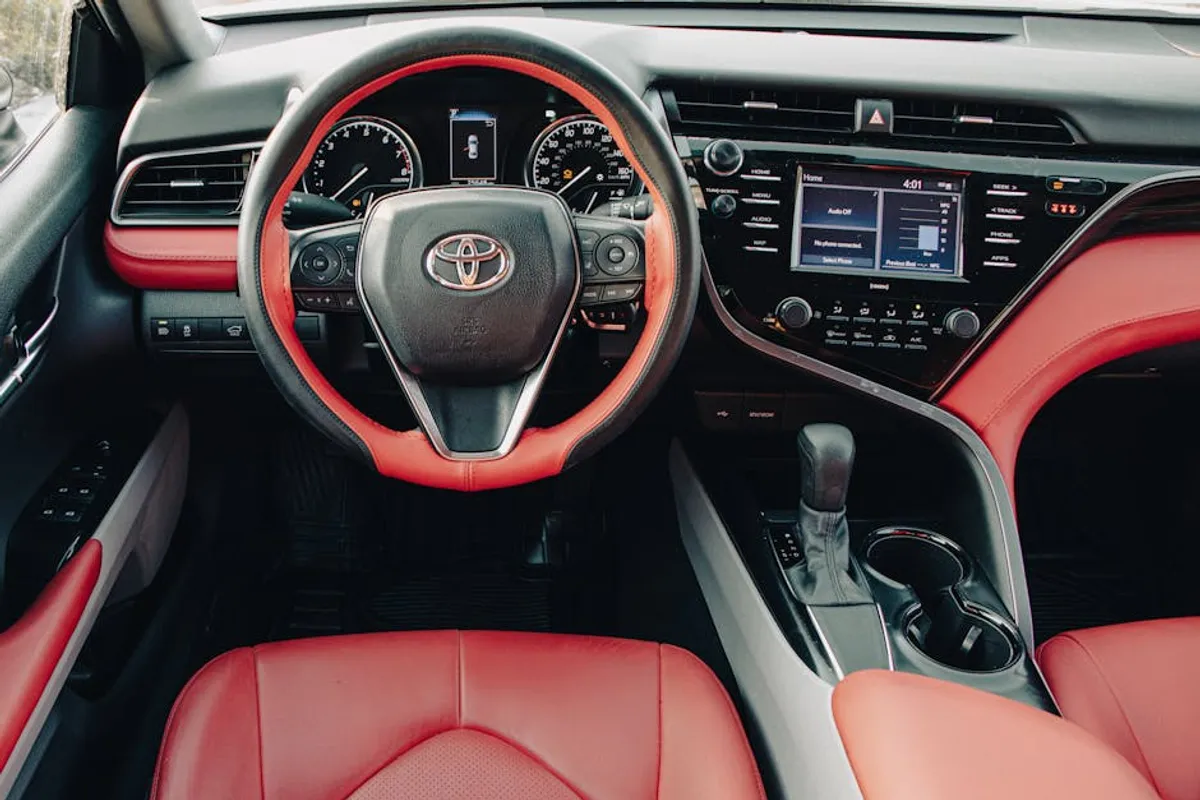
Acquiring a used Toyota Chaser involves navigating a distinct market, often characterized by enthusiast demand, import considerations, and varying vehicle conditions. Unlike typical domestic used car purchases, a Chaser demands a more specialized approach to ensure you secure a sound investment rather than a project car with hidden costs. Understanding the nuances of pricing, conducting thorough pre-purchase inspections, and recognizing common buyer missteps are essential steps to a successful acquisition.
Understanding Used Toyota Chaser Pricing
The price of a used Toyota Chaser is not static; it fluctuates based on several key variables. These factors collectively determine its market value, often pushing prices higher for well-maintained or rare examples.
Factors Influencing Chaser Value
- Condition and Mileage: Lower mileage and superior overall condition, particularly regarding rust prevention (critical for imported JDM vehicles), command higher prices. A car with minimal wear on interior components, intact body panels, and a clean undercarriage will always be more valuable.
- Engine and Drivetrain: The 1JZ-GTE engine, especially in its VVT-i form, significantly boosts value due to its performance capabilities and modification potential. Manual transmission models are also considerably more desirable and thus more expensive than automatics, reflecting their enthusiast appeal.
- Trim Level: The Tourer V trim, equipped with the 1JZ-GTE engine and often a factory manual option, is the most sought-after and expensive. Other trims like the Tourer S or Avante will be more affordable but lack the same performance credentials.
- Modification Status: While some tasteful modifications (e.g., coilovers, exhaust, wheels from reputable brands) can add value if well-executed, extensive or poorly installed modifications can decrease it. Original or lightly modified examples often hold their value better, as they allow the new owner to customize to their preference.
- Importation Costs and History: For vehicles imported from Japan, the cost of shipping, customs duties, and compliance modifications (if any) are factored into the sale price. A clear import history and legal registration are non-negotiable for premium pricing.
Setting a Realistic Budget
Beyond the advertised price, factor in potential post-purchase expenses. These include immediate maintenance items (fluids, filters, timing belt if due), necessary repairs, insurance costs (which can be higher for imported or performance vehicles), and any desired modifications. A buffer of 15-20% above the purchase price for initial upkeep is a prudent approach.
Essential Checks Before Purchase
Thorough inspection is paramount when considering a used Toyota Chaser. Its age and typical usage patterns mean certain areas are prone to wear or specific issues that require careful attention.
Mechanical Inspection Priorities
Focus on the engine, transmission, and suspension components. Listen for unusual noises during a cold start and throughout a test drive. Check for oil leaks around the engine, especially common on older turbo vehicles. Verify the turbocharger spools correctly without excessive smoke or whining. For manual transmissions, ensure smooth gear engagement without grinding or excessive clutch slip. Inspect suspension components for worn bushings, leaky shocks, or signs of accident damage. Pay close attention to the steering rack for play or leaks.
Bodywork and Interior Assessment
Rust is a primary concern, particularly on vehicles imported from regions with high humidity or road salt. Inspect wheel arches, rocker panels, subframe mounting points, and the trunk floor. Look for inconsistent panel gaps, mismatched paint, or overspray, which can indicate previous accident repairs. Inside, check for common wear points: driver's seat bolster, steering wheel, and dashboard condition. Ensure all electronics, including windows, air conditioning, and stereo, are fully functional.
Documentation and History Verification
Request all available service records. These provide insight into maintenance frequency and previous repairs. Verify the VIN on the vehicle matches the documentation. For imported vehicles, ensure all import paperwork is complete and legal, including proof of duties paid and compliance with local regulations. A pre-purchase inspection (PPI) by a trusted independent mechanic specializing in JDM or performance vehicles is highly recommended.
Common Mistakes to Avoid When Buying a Chaser
The allure of a Toyota Chaser can sometimes lead buyers to overlook critical details. Avoiding these common pitfalls will save time, money, and frustration.
- Neglecting a Comprehensive Pre-Purchase Inspection: Relying solely on seller assurances or a superficial look can mask significant mechanical or structural problems. A professional PPI is an investment that can prevent costly surprises.
- Ignoring Rust: Surface rust can quickly become structural rust, especially on older Japanese imports. Do not underestimate the cost and complexity of proper rust repair.
- Underestimating Maintenance Costs: Parts for older, imported performance vehicles can be more expensive and harder to source than for common domestic models. Factor in the potential for higher running costs.
- Buying Sight Unseen or Without a Test Drive: Photos and videos can hide flaws. Always inspect the vehicle in person and conduct a thorough test drive under various conditions to assess its true mechanical state.
- Failing to Verify Legal Importation: Ensure the vehicle has been legally imported, registered, and complies with all local roadworthy regulations. Issues here can lead to significant headaches, including inability to register or insure the car.
- Overlooking the "Enthusiast Tax": While Chasers are desirable, be wary of sellers inflating prices beyond reasonable market value, especially for examples that don't justify the premium. Research recent sale prices for similar models.
Pro Tip: When inspecting a Chaser, specifically check the condition of the turbocharger oil feed and return lines. These can degrade over time, leading to oil leaks or, worse, turbocharger failure if oil supply is restricted. Also, examine the condition of the power steering pump and lines, as leaks are a known issue on these platforms.
Securing Your Used Chaser Purchase
Once you've identified a suitable Toyota Chaser and completed all necessary checks, the final steps involve negotiation and securing the deal. Be prepared to walk away if the seller is unwilling to address concerns or if the vehicle's condition doesn't align with the asking price. A well-informed buyer is in the strongest negotiating position. Ensure all paperwork is correctly transferred, including the title, bill of sale, and any import documents. Consider an escrow service or a secure payment method for high-value transactions, especially when dealing with private sellers or distant purchases.
Frequently Asked Questions
What is the typical lifespan of a Toyota Chaser engine?
With proper maintenance, the 1JZ-GTE and 2JZ-GE engines in Toyota Chasers are known for their robust design and can reliably last for 200,000 to 300,000 kilometers or more. Regular oil changes, timing belt replacements, and addressing minor issues promptly are crucial for longevity.
Are parts for a Toyota Chaser difficult to find?
While some common service parts are shared with other Toyota models, specific body panels, interior trim, and performance-oriented components for the Chaser can be challenging to source, especially outside of Japan. Specialist import parts suppliers and online enthusiast forums are often the best resources.
What should I look for in a Chaser's modification history?
Prioritize vehicles with documentation for modifications, ideally from reputable workshops using quality components. Be wary of extensive, undocumented modifications or those that appear poorly installed, as these can indicate potential reliability issues or underlying problems.
Is it expensive to insure a Toyota Chaser?
Insurance costs for a Toyota Chaser can be higher due to its status as an imported, performance-oriented vehicle, and its appeal in the enthusiast/drift community. Factors like engine size, driver age, location, and previous modifications all influence premiums. Obtain insurance quotes before committing to a purchase.