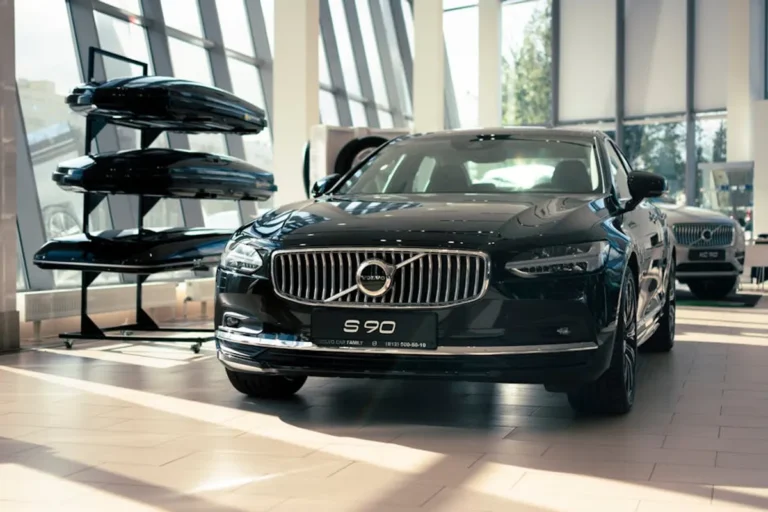
The decision between purchasing a used SUV and a hybrid car represents a fundamental choice rooted in differing priorities: utility and immediate value versus fuel efficiency and modern technology. Both categories offer distinct advantages, but their suitability depends entirely on an individual buyer's budget, daily driving habits, space requirements, and long-term financial and environmental considerations. Understanding the core trade-offs between these two popular vehicle types is crucial for making an informed investment.
Used SUVs: The Case for Versatility and Value
Used SUVs appeal to buyers prioritizing space, capability, and a lower initial purchase price compared to new vehicles. The market for pre-owned SUVs is vast, offering a wide range of sizes, brands, and feature sets across various price points.
Initial Cost and Depreciation Advantage
Opting for a used SUV typically means a significantly lower upfront cost than a new model. Vehicles experience their most rapid depreciation in the first few years of ownership. By purchasing a used SUV that is two to three years old, buyers effectively bypass this steep initial depreciation, retaining more of their investment over time. This financial benefit often allows buyers to acquire a higher trim level or a more premium brand than they could afford new, or simply save a substantial amount of capital.
Space, Utility, and Capability
SUVs are inherently designed for practicality. They offer generous interior volume for passengers and cargo, often exceeding that of sedans or smaller hybrids. Many SUVs also provide higher ground clearance and available all-wheel drive (AWD) or four-wheel drive (4WD) systems, making them suitable for varied terrain, inclement weather, or light off-road excursions. Their robust build often translates to higher towing capacities, a critical factor for those who need to haul trailers, boats, or campers.
- Cargo Volume: Typically ranges from 25 cubic feet behind the second row to over 70 cubic feet with seats folded.
- Passenger Capacity: Many offer seating for five, with mid-size and large SUVs frequently accommodating seven or eight passengers.
- Towing: Capabilities can range from 1,500 lbs for compact models to over 9,000 lbs for full-size body-on-frame SUVs.
Maintenance Considerations for Used Models
While the initial purchase price is lower, the maintenance profile of a used SUV can be more variable. Older vehicles may require more frequent repairs or replacement of wear-and-tear components. Larger engines and more complex AWD systems can sometimes lead to higher service costs compared to smaller, simpler powertrains. A thorough pre-purchase inspection is paramount to identify potential deferred maintenance or impending major repairs.
Hybrid Cars: The Case for Efficiency and Modernity
Hybrid cars are engineered to maximize fuel efficiency and reduce emissions, making them an attractive option for environmentally conscious drivers or those with significant daily commutes.
Fuel Economy and Environmental Impact
The primary draw of a hybrid car is its superior fuel economy. By combining a gasoline engine with an electric motor and battery pack, hybrids recover energy through regenerative braking and can operate solely on electric power at low speeds. This results in significantly lower fuel consumption, especially in stop-and-go city driving. The reduced reliance on fossil fuels also translates to lower tailpipe emissions, contributing to better air quality.
Example: A compact hybrid sedan might achieve 50 MPG combined, while a comparable compact gasoline SUV might average 28 MPG.
Technology and Driving Experience
Hybrid vehicles often come equipped with advanced technology as standard, including sophisticated infotainment systems, driver-assistance features, and digital instrument clusters. The electric motor provides instant torque, contributing to smooth, quiet acceleration, particularly from a standstill. The transition between electric and gasoline power is typically seamless, enhancing the overall driving comfort.
Battery Life and Potential Replacement Costs
A common concern with hybrids is the longevity and replacement cost of the high-voltage battery pack. Modern hybrid batteries are designed to last the life of the vehicle, often backed by warranties ranging from 8 years/100,000 miles to 10 years/150,000 miles, depending on the manufacturer and state regulations. While battery replacement is less common than often perceived, it remains a potential long-term expense once out of warranty. Costs for a new battery can range from $2,000 to $8,000, though remanufactured options are often available at lower prices.
Pro Tip: When considering any used vehicle, especially a used SUV, always arrange for a pre-purchase inspection by an independent, certified mechanic. This can uncover hidden mechanical issues, rust, or accident damage that might not be apparent during a test drive, saving thousands in potential future repairs. For used hybrids, specifically inquire about the service history related to the hybrid system and battery health checks, as some manufacturers offer diagnostic reports.
Direct Comparison: Key Decision Factors
The optimal choice between a used SUV and a hybrid car hinges on aligning vehicle attributes with personal requirements.
Budget and Long-Term Costs
Used SUV:
Initial Cost: Lower than new, often allowing for more features or larger size within budget.
Fuel Costs: Generally higher due to larger engines and weight.
Maintenance: Potentially higher for older models or specific components (e.g., tires, brakes for heavier vehicles).
Insurance: Varies widely by model, driver, and location, but can be higher for larger, more expensive SUVs.
Hybrid Car:
Initial Cost: Often higher than a comparable gasoline-only car, even used, but typically lower than a new model.
Fuel Costs: Significantly lower, especially in city driving, leading to substantial savings over time.
Maintenance: Generally comparable to gasoline cars, with specific considerations for hybrid system checks. Battery replacement is a long-term, infrequent concern.
Insurance: Can be slightly higher due to the advanced technology and potentially higher repair costs for specialized hybrid components.
Driving Needs and Lifestyle
Best for Used SUV:
- Regularly transport multiple passengers or large cargo.
- Need towing capability for trailers, boats, or recreational equipment.
- Drive in areas with challenging weather (snow, heavy rain) or unpaved roads.
- Desire a commanding driving position and robust feel.
Best for Hybrid Car:
- Primarily commute in urban or suburban environments with frequent stop-and-go traffic.
- Prioritize minimizing fuel expenses and reducing carbon footprint.
- Seek a quiet, smooth, and technologically advanced driving experience.
- Have minimal need for heavy towing or extensive off-road capability.
Resale Value
Both categories generally hold their value well, though for different reasons. Well-maintained used SUVs, especially popular models, command strong resale prices due to their enduring utility and demand. Hybrid cars, particularly those with excellent fuel economy, also maintain good resale value as fuel prices remain a constant concern for buyers.
Making Your Informed Choice
Selecting between a used SUV and a hybrid car requires an honest assessment of your daily life and financial priorities. If your primary needs involve hauling, towing, navigating challenging terrain, or accommodating a large family, a used SUV likely offers the practical utility you require, often at a more accessible entry price. However, if your driving is predominantly urban or suburban, and you prioritize minimizing fuel consumption, reducing your environmental impact, and appreciate modern automotive technology, a hybrid car presents a compelling and economically sound alternative over the long term. Consider your typical commute, family size, cargo demands, and local fuel prices to determine which vehicle best aligns with your lifestyle and budget.
Frequently Asked Questions
Are used SUVs generally reliable?
Reliability of used SUVs varies significantly by brand, model, and previous owner maintenance. Models from reputable manufacturers with strong track records for durability, combined with a comprehensive service history and a pre-purchase inspection, can be very reliable.
How long do hybrid car batteries typically last?
Most hybrid car batteries are designed to last for 8 to 10 years or 100,000 to 150,000 miles, often covered by manufacturer warranties. Many owners report batteries lasting well beyond these figures, sometimes over 200,000 miles.
Which vehicle type is better for towing?
Used SUVs are generally superior for towing. Their larger frames, more powerful engines, and often higher curb weight provide greater stability and capacity for hauling trailers, boats, or other heavy loads compared to most hybrid cars.
Do insurance costs differ significantly between used SUVs and hybrid cars?
Insurance costs are influenced by many factors, including vehicle value, repair costs, safety ratings, and driver profile. While a new hybrid might cost more to insure due to advanced technology, a used SUV could also have higher premiums if it's a larger, more powerful model or has a higher theft rate. It's best to get quotes for specific models.