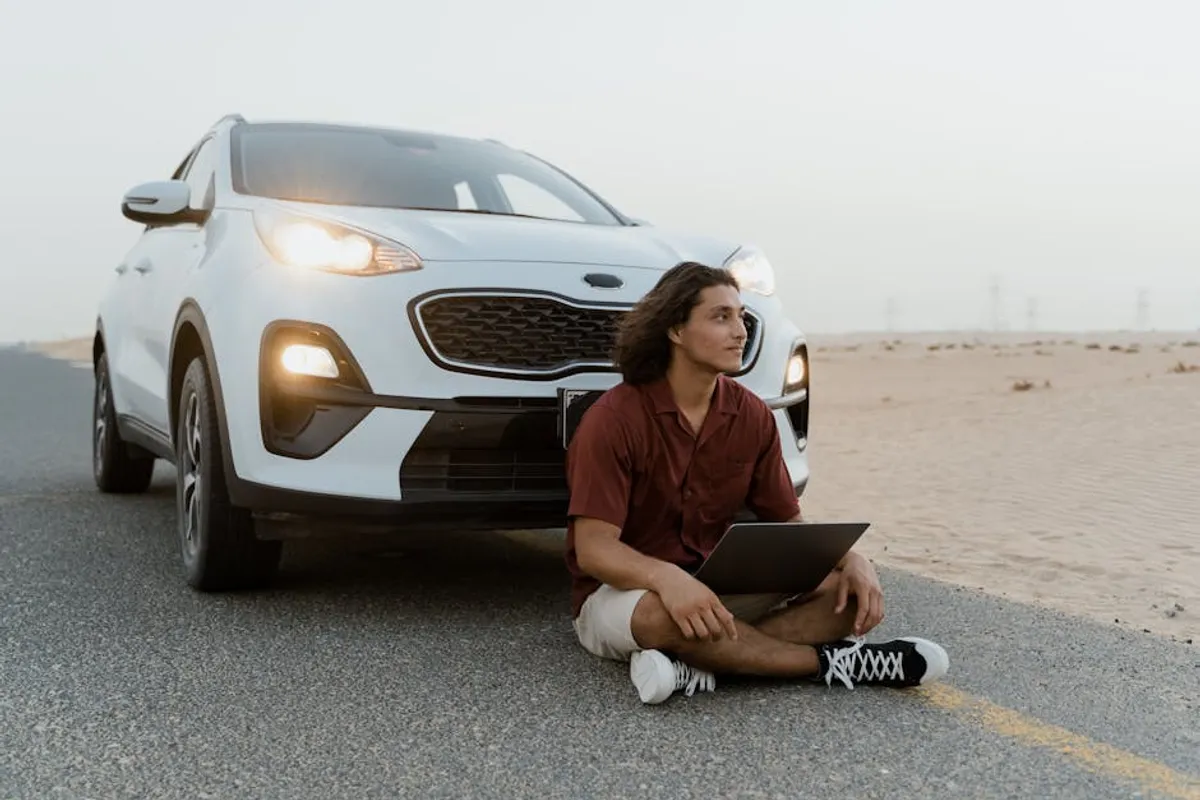
Purchasing a used SUV represents a strategic financial decision for many buyers, offering significant cost savings over new vehicles while still providing the utility and versatility demanded by modern lifestyles. However, navigating the used market requires diligence. Unlike a new car purchase with factory warranties and predictable histories, a used SUV comes with its own unique set of variables, from maintenance records to past ownership. This guide outlines the critical steps and considerations to ensure your investment is sound, focusing on practical research, thorough inspection, and informed negotiation.
Key Considerations Before You Start Searching
Budget Beyond the Sticker Price
The initial purchase price is only one component of owning a used SUV. A comprehensive budget must account for several additional factors that can significantly impact long-term costs. Insurance premiums for SUVs can vary widely based on make, model, year, and your driving history; obtain quotes for specific models you're considering. Maintenance costs are often higher for older or higher-mileage vehicles, especially if previous owners neglected routine service. Research common issues for specific models and factor in potential repair expenses. Fuel economy is another critical variable; larger SUVs or those with powerful engines will consume more fuel, directly affecting your monthly outlay. Finally, consider registration fees and any necessary repairs or upgrades immediately post-purchase, such as new tires or a major service.
Defining Your Needs
Before browsing listings, articulate your primary requirements for an SUV. Passenger capacity is paramount for families; determine if you need two, three, or even four rows of seating. Cargo space varies dramatically between compact and full-size SUVs; assess your typical hauling needs for groceries, sports equipment, or travel luggage. Consider whether all-wheel drive (AWD) or four-wheel drive (4WD) is essential for your local climate or intended activities, such as off-road excursions or navigating snowy conditions. If you plan to tow a boat or trailer, research specific models' towing capacities. Fuel efficiency should also be a key factor if daily commuting or long-distance travel is a priority. Prioritizing these needs upfront will narrow your search and prevent impulse buys.
Researching Reliability
Not all SUVs are created equal, especially in the used market. Invest time in researching specific models and their known reliability records. Consult independent automotive consumer reports that track long-term owner satisfaction and common mechanical issues. Online owner forums and communities can provide invaluable insights into recurring problems, typical repair costs, and the longevity of specific components. Focus on models that consistently receive high marks for durability and low cost of ownership. Pay particular attention to engine and transmission reliability, as these are the most expensive components to repair or replace.
Where to Buy a Used SUV
Dealerships
Dealerships, particularly franchised ones, often offer Certified Pre-Owned (CPO) programs. These vehicles undergo multi-point inspections, typically come with extended warranties, and may include roadside assistance. While CPO SUVs are generally more expensive than non-CPO vehicles, the added peace of mind and warranty coverage can justify the premium. Dealerships also provide financing options and handle all necessary paperwork, streamlining the purchase process.
Private Sellers
Buying from a private seller often presents the opportunity for lower prices, as there's no dealership overhead. However, this route demands greater buyer vigilance. You typically purchase the vehicle "as-is," with no warranty or recourse if issues arise shortly after the sale. It requires you to arrange inspections, manage title transfers, and handle all negotiations directly. The advantage lies in direct communication with the previous owner, potentially gaining more insight into the vehicle's history and maintenance habits.
Online Marketplaces
Dedicated online marketplaces for used vehicles offer a vast selection from both dealerships and private sellers. These platforms allow for extensive filtering by make, model, year, price, mileage, and features, making it easier to find specific vehicles. Many platforms also integrate vehicle history reports and facilitate communication between buyers and sellers. Some even offer inspection services or secure payment processing, adding a layer of convenience and trust, though buyers should still conduct their own due diligence.
The Inspection Process
Visual Inspection
Before any test drive, conduct a thorough visual inspection. Examine the exterior for signs of rust, mismatched paint (indicating previous bodywork), dents, or scratches. Check panel gaps for consistency, which can reveal accident history. Inspect all tires for even wear, tread depth, and matching brands; uneven wear can signal alignment or suspension issues. Inside, look for excessive wear on seats, carpets, and controls. Verify all lights, windows, and electronic features operate correctly. Check for any fluid leaks under the vehicle.
Test Drive
A comprehensive test drive is non-negotiable. Drive the SUV on various road conditions, including city streets, highways, and uneven surfaces if possible. Pay close attention to:
- Engine: Listen for unusual noises, check for smooth acceleration and consistent power.
- Transmission: Ensure shifts are smooth and timely, without jerking or slipping.
- Brakes: Test for firm pedal feel, straight stopping, and absence of squealing or grinding.
- Steering: Check for excessive play, pulling to one side, or unusual vibrations.
- Suspension: Listen for clunks or squeaks over bumps, and observe how the vehicle handles turns.
- Electronics: Verify the functionality of the infotainment system, climate control, and all dashboard warning lights.
Professional Pre-Purchase Inspection
Pro Tip: Always invest in a pre-purchase inspection (PPI) by an independent, certified mechanic. This is arguably the single most critical step in buying a used SUV. A PPI can uncover hidden mechanical issues, structural damage, or deferred maintenance that a visual inspection or test drive might miss, potentially saving you thousands in unexpected repairs down the line. The cost of a PPI is a small insurance policy against major problems.
A professional mechanic will elevate the inspection beyond what an average buyer can perform. They will typically put the vehicle on a lift to examine the undercarriage for rust, frame damage, and leaks. They'll check the brakes, suspension components, exhaust system, and fluid levels. Diagnostic tools can reveal stored error codes that indicate intermittent or underlying engine and transmission issues. This objective assessment provides a detailed report on the vehicle's condition, empowering you with leverage in negotiations or helping you avoid a problematic purchase entirely.
Vehicle History Report
Obtain a comprehensive vehicle history report using the Vehicle Identification Number (VIN). These reports detail past accidents, flood damage, salvage titles, odometer discrepancies, and service records. They can confirm the number of previous owners and provide a timeline of major events. While not a substitute for a physical inspection, a history report offers crucial background information that can highlight red flags or confirm a well-maintained history. Cross-reference the report's findings with your visual inspection and the seller's claims.
Negotiation and Paperwork
Pricing Research
Before negotiating, research the market value of the specific SUV you're interested in. Use resources like Kelley Blue Book, Edmunds, or NADA Guides to determine fair market ranges based on year, mileage, condition, and features. Look at comparable listings in your local area to understand current pricing trends. This data will provide a strong foundation for your negotiation, allowing you to justify your offer with objective information.
Negotiation Tactics
Approach negotiations with confidence and be prepared to walk away if your terms aren't met. Focus on the total out-the-door price, not just the monthly payment if financing. Highlight any issues identified during the pre-purchase inspection or discrepancies in the vehicle history report to justify a lower offer. If buying from a dealership, be aware of add-ons and fees, and negotiate each item separately. For private sales, a cash offer can sometimes provide additional leverage.
Finalizing the Sale
Once you've agreed on a price, ensure all necessary paperwork is completed accurately. This typically includes the vehicle title, a bill of sale detailing the purchase price and terms, and odometer disclosure statements. Verify that the VIN on all documents matches the vehicle's VIN. Understand any warranty terms, especially for CPO vehicles. Promptly transfer the title and register the vehicle in your name with your local Department of Motor Vehicles to avoid legal complications.
Securing Your Used SUV Purchase
A successful used SUV purchase hinges on methodical research and a disciplined approach. Begin by clearly defining your needs and establishing a realistic budget that encompasses more than just the sticker price. Thoroughly research specific models for reliability and common issues. Whether buying from a dealership or a private seller, prioritize a detailed visual inspection, an extensive test drive, and, most importantly, a professional pre-purchase inspection. Leverage vehicle history reports to uncover past incidents. Finally, negotiate based on market data and ensure all paperwork is correctly processed. By following these steps, you significantly mitigate risks and increase the likelihood of acquiring a reliable used SUV that meets your expectations for years to come.
Frequently Asked Questions
What mileage is considered too high for a used SUV?
There's no definitive "too high" mileage, as vehicle longevity depends heavily on maintenance. Generally, an SUV with 100,000 to 150,000 miles is still viable if it has a consistent service history. Focus more on maintenance records and the pre-purchase inspection results than just the odometer reading.
Should I buy an extended warranty for a used SUV?
The decision to purchase an extended warranty depends on the vehicle's age, mileage, reliability record, and your risk tolerance. For older, higher-mileage SUVs or models known for specific issues, an extended warranty can provide peace of mind. Always read the fine print regarding coverage, deductibles, and exclusions.
How can I tell if a used SUV has been in an accident?
Look for mismatched paint, uneven panel gaps, new parts that don't match the age of the vehicle, and signs of structural repair under the hood or chassis. A vehicle history report will often disclose reported accidents, but a professional pre-purchase inspection can identify hidden damage missed by reports.
Is it better to buy a used SUV from a dealership or a private seller?
Dealerships often offer CPO options, financing, and some level of warranty, but usually at a higher price. Private sellers typically have lower prices but offer no warranties and require more personal due diligence for inspections and paperwork. Your choice depends on your budget, comfort with risk, and desire for convenience.