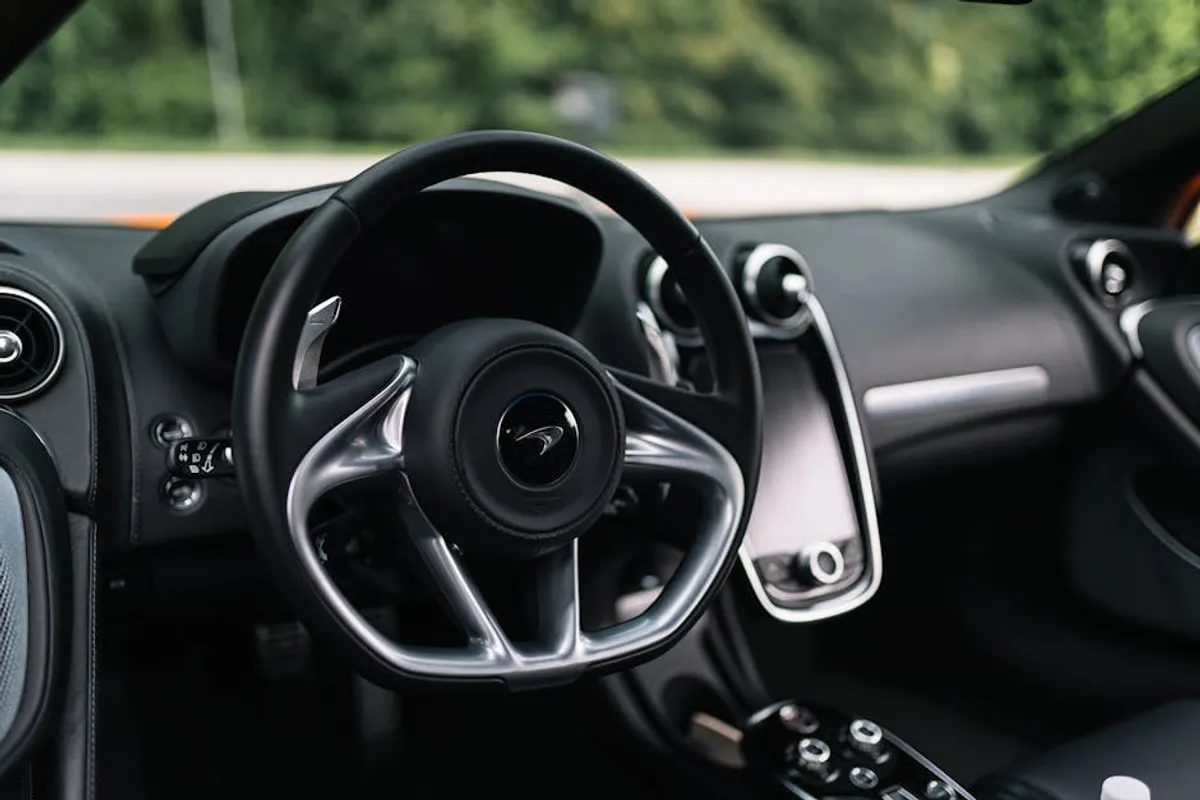
Acquiring a used McLaren F1 transcends a typical car purchase; it is an entry into a highly exclusive segment of automotive history and a significant financial commitment. This vehicle, produced in limited numbers from 1992 to 1998, represents a pinnacle of engineering and design. Understanding the intricacies of its market, the critical checks required, and the common pitfalls to navigate is essential for any prospective owner. The decision involves not just capital outlay but also a thorough verification process to ensure authenticity, mechanical integrity, and long-term value preservation.
Understanding the McLaren F1 Market and Valuation
The McLaren F1 market is characterized by extreme rarity and high demand, with prices consistently appreciating. Only 106 units were ever built, including prototypes, road cars, and race versions. This scarcity, combined with its iconic status as a technological benchmark, drives its valuation. Current market prices for a well-maintained road car typically range significantly, influenced by specific factors rather than a standardized pricing guide.
Factors Influencing Price
- Provenance and History: A clear, documented ownership chain, especially with notable previous owners or unique historical significance, can significantly enhance value.
- Originality: Vehicles retaining their original engine, gearbox, body panels, and interior components, often referred to as 'matching numbers,' command a premium.
- Condition and Mileage: While low mileage is generally preferred, a car with a documented history of consistent, professional maintenance, even with moderate mileage, can be more desirable than a garage queen with neglected service.
- Specification and Variant: Road cars (F1), LM (Le Mans), and GT (Longtail) variants each have distinct production numbers and market values, with the rarer LM and GT models fetching higher prices.
- Maintenance History: Comprehensive service records from authorized McLaren F1 specialists are non-negotiable. These records demonstrate adherence to stringent maintenance schedules, which are crucial for preserving the car's complex systems.
- Color and Interior: While subjective, certain original factory color combinations or bespoke interior finishes can influence appeal and, subsequently, price.
Essential Pre-Purchase Checks
Given the McLaren F1's complexity and value, a multi-faceted inspection process is mandatory. This goes beyond a standard pre-purchase inspection.
Authenticity and Provenance Verification
The primary check involves confirming the vehicle's authenticity. Each McLaren F1 has a unique chassis number. This number must be cross-referenced with McLaren's factory records. A specialist will verify the vehicle's original build specification, delivery details, and any factory-authorized modifications. Scrutiny of the car's provenance, including all previous owners, registration documents, and import/export records, is critical to establish a clear and legitimate chain of custody.
Mechanical and Structural Integrity
A full mechanical assessment by a McLaren F1 specialist is indispensable. This is not a task for a general mechanic. The BMW S70/2 V12 engine, bespoke gearbox, and carbon fiber monocoque chassis require specialized knowledge and tools. The inspection should cover:
- Engine and Drivetrain: Comprehensive diagnostics, compression tests, fluid analysis, and inspection for leaks or unusual wear. Pay particular attention to the complex cooling system and bespoke exhaust.
- Chassis and Bodywork: Thorough examination of the carbon fiber monocoque for any signs of damage, repair, or structural compromise. Panel gaps, paint condition, and the integrity of aerodynamic elements are also key.
- Suspension and Brakes: Inspection of the bespoke suspension components, braking system (including calipers, discs, and lines), and tire condition.
- Electronics and Interior: Verification of all electronic systems, including the unique central driving position and dashboard instrumentation. The condition of the bespoke interior materials, often leather or Alcantara, should also be assessed.
Documentation Scrutiny
Beyond service records, a complete documentation package should include original owner's manuals, tool kits, and any bespoke accessories that came with the car. These items, often specific to the F1, add significant value and confirm the car's completeness. Any documentation related to recalls, factory updates, or major repairs must also be present and verified.
Pro Tip: Never rely solely on digital photos or video for condition assessment. A physical, in-person inspection by a recognized McLaren F1 expert, ideally one with direct factory training, is the only acceptable method for evaluating such a high-value asset. This expert should have access to the vehicle for several days to perform a thorough review.
Common Pitfalls and How to Avoid Them
Purchasing a McLaren F1 involves navigating specific risks that can lead to significant financial or operational issues.
- Ignoring Provenance: A gap in ownership history or an unverified past can signal potential issues, from undisclosed accidents to questionable legality. Always insist on a complete, verifiable paper trail.
- Underestimating Running Costs: Beyond the purchase price, McLaren F1s have substantial running costs. Routine servicing, specialized parts, and insurance are exceptionally expensive. Budgeting for these ongoing expenses is crucial.
- Rushing the Decision: The rarity of the F1 can create pressure to act quickly. However, haste often leads to overlooked details. Take the necessary time for due diligence, even if it means missing a specific car. Another will eventually surface.
- Not Using a Specialist: Attempting to evaluate or service a McLaren F1 without a dedicated specialist is a critical error. The car's unique engineering demands expertise that few possess.
Safeguarding Your Investment: A Practical Approach
Securing a McLaren F1 demands meticulous planning and execution. Engage a reputable automotive broker specializing in ultra-rare vehicles, and retain an independent McLaren F1 specialist for all technical inspections. Ensure all transactions are conducted through secure, verifiable channels, with legal counsel reviewing all contracts. Post-purchase, adhere strictly to factory-recommended maintenance schedules, exclusively using authorized parts and service providers. Proper storage, often in climate-controlled facilities, and comprehensive insurance are also non-negotiable to protect this significant asset.
Frequently Asked Questions
What is the typical annual maintenance cost for a McLaren F1?
Annual maintenance for a McLaren F1 can range from $25,000 to over $50,000, depending on the service interval and any necessary component replacements. Major services, occurring every few years, can significantly exceed this.
Are spare parts readily available for the McLaren F1?
McLaren Special Operations (MSO) maintains a dedicated department for the F1, ensuring that critical spare parts and technical support remain available, though often at a premium and with lead times.
How does the McLaren F1's value compare to other hypercars?
The McLaren F1 consistently holds its position as one of the most valuable collector cars globally, often surpassing other hypercars due to its historical significance, engineering purity, and extreme rarity.