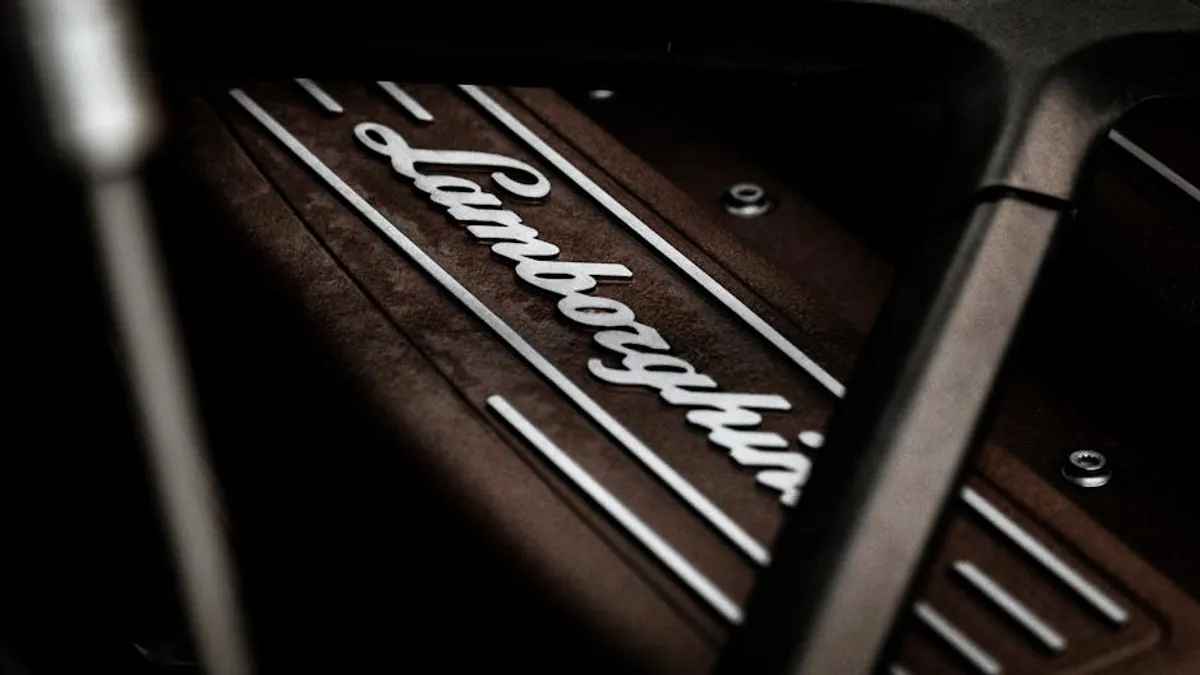
Acquiring a used Lamborghini represents a significant financial commitment and a distinct ownership experience. Unlike standard vehicle purchases, the high-performance nature, bespoke engineering, and specialized maintenance requirements of these vehicles demand rigorous due diligence. Prospective buyers must navigate a market where prices fluctuate based on rarity, condition, and model lineage, while simultaneously identifying potential mechanical or historical pitfalls that could lead to substantial post-purchase expenses. Understanding the intricate interplay of valuation, comprehensive inspection protocols, and common buyer oversights is paramount for a secure and satisfying acquisition.
Understanding Used Lamborghini Pricing Dynamics
The pricing of a used Lamborghini is influenced by a confluence of factors beyond typical depreciation curves. While mileage and age play a role, the specific model, its production volume, factory options, and service history often exert a greater impact on market value. Limited-production models, such as certain Aventador variants or highly optioned Huracans, tend to retain value more effectively, and in some cases, appreciate. Conversely, higher-volume models, particularly early examples of a generation, may experience more predictable depreciation.
Geographic market conditions also dictate pricing. Regions with high demand or limited supply can command premiums. Furthermore, the inclusion of desirable factory options, like carbon ceramic brakes, specific interior trims, or advanced infotainment packages, can significantly enhance a vehicle's market appeal and justify a higher price point. Buyers should research recent sales data for comparable models, paying close attention to these specific configurations.
Consider: The "sweet spot" for depreciation often occurs after the initial steep decline in the first 3-5 years. However, this also coincides with the potential for increased maintenance requirements as factory warranties expire. Balancing initial cost savings with anticipated running costs is crucial.
Essential Pre-Purchase Checks for a Used Lamborghini
A comprehensive pre-purchase inspection (PPI) by a qualified, independent specialist is non-negotiable for any used Lamborghini. Generic inspections are insufficient; the vehicle's complex systems require specific expertise.
Mechanical and Structural Integrity
The engine and transmission are the heart of a Lamborghini and the most expensive components to repair. Inspect the engine for common issues such as fluid leaks from seals, unusual noises during startup or idle, and verify the integrity of cooling system components. Pay particular attention to service records detailing major engine-out services, which are often required for clutch replacements or significant engine work on certain models. For transmissions, ensure smooth, decisive shifts without hesitation or grinding. Models with automated manual transmissions (e.g., e-gear in older Gallardos, ISR in Aventadors) require specific attention to clutch wear indicators and hydraulic system health.
The suspension system, often featuring active damping and complex geometries, should be checked for wear in bushings, control arms, and shock absorbers. Brake systems, especially carbon-ceramic setups, must be inspected for rotor wear and pad life, as replacement costs are substantial. Finally, a thorough structural inspection is vital to identify any evidence of accident damage, frame misalignment, or previous poor-quality repairs that could compromise safety and performance.
Documentation and Service History Verification
A complete, verifiable service history is paramount. This should ideally detail maintenance performed by authorized Lamborghini dealerships or highly reputable independent specialists. Gaps in service records, or maintenance performed by unknown entities, can indicate neglect or a history of cutting corners. A Vehicle Identification Number (VIN) check is essential to uncover accident history, title issues (e.g., salvage, flood, rebuilt), and verify mileage. Ensure all recall campaigns have been addressed.
Interior and Exterior Condition Assessment
Beyond cosmetic appeal, the interior and exterior condition can reveal insights into a vehicle's care. Check for consistent panel gaps, which can indicate accident repair. Examine paintwork for overspray, color inconsistencies, or signs of poor resprays. Inside, assess the condition of leather upholstery, switchgear, and electronics. Lamborghini interiors, while luxurious, can show wear in high-touch areas. Ensure all electronic systems, including infotainment, navigation, and driver-assist features, are fully functional. Tire age and tread depth are also critical; specialized performance tires are expensive and often require replacement due to age, not just wear.
- Inspect engine mounts for cracking or excessive play.
- Verify the functionality of all active aerodynamic components.
- Check for proper operation of power windows, mirrors, and climate control.
- Examine wheel condition for curb rash or structural damage.
- Test all lighting systems, including high beams and fog lights.
- Confirm the presence and functionality of both original keys.
Pro Tip: Never skip a pre-purchase inspection (PPI) by an independent, Lamborghini-specialized mechanic. This single step can uncover hidden issues costing tens of thousands, far outweighing the PPI fee. Ensure the specialist uses diagnostic tools specific to Lamborghini models.
Common Mistakes to Avoid When Buying a Used Lamborghini
The allure of a Lamborghini can sometimes override rational decision-making. Avoiding specific pitfalls is critical to prevent a dream purchase from becoming a financial burden.
One primary mistake is underestimating the true cost of ownership. Beyond the purchase price, Lamborghinis incur high insurance premiums, significant fuel consumption, specialized tire replacement costs (often every 10,000-15,000 miles), and annual maintenance that can range from $1,500 to $5,000+ for routine service, with major services or unforeseen repairs easily exceeding $10,000. Buyers must budget for these ongoing expenses.
Another frequent error is neglecting to verify the legality and clear title of the vehicle. Always confirm the seller is the legal owner and that the title is free of liens or encumbrances. Falling for "too good to be true" deals often leads to vehicles with undisclosed accident damage, salvage titles, or problematic histories that severely impact resale value and safety.
Impulse buying without thorough market research is also detrimental. Understand the typical pricing range for your desired model, year, and specification. This research prevents overpaying and ensures you recognize a genuinely competitive offer versus a deceptive one. Finally, failing to test drive the vehicle under various conditions can mask issues. A proper test drive should include highway speeds, city driving, and some spirited acceleration to assess engine, transmission, and braking performance.
Securing Your Lamborghini Investment
Purchasing a used Lamborghini is a nuanced process that requires patience, informed decision-making, and a commitment to thorough verification. By meticulously researching pricing dynamics, insisting on comprehensive specialist inspections, and actively avoiding common buyer errors, you can significantly mitigate risks. A well-vetted Lamborghini represents not just a high-performance vehicle, but a potentially stable asset and an unparalleled driving experience. Prioritizing due diligence ensures that the excitement of ownership is not overshadowed by unforeseen mechanical or financial complications.
Frequently Asked Questions
What is the average annual maintenance cost for a used Lamborghini?
Annual maintenance for a used Lamborghini typically ranges from $1,500 to $5,000 for routine service, depending on the model and specific requirements. Major services, often occurring every 3-5 years, can cost $7,000 to $15,000 or more, especially if clutch or brake components need replacement.
How important is a full service history when buying a used Lamborghini?
A full, verifiable service history is critically important. It provides evidence of consistent care, adherence to manufacturer-recommended maintenance schedules, and can indicate potential issues or major repairs performed. Lack of a comprehensive history significantly devalues the car and increases risk.
Can I finance a used Lamborghini?
Yes, financing options are available for used Lamborghinis through specialized luxury vehicle lenders, some traditional banks, and dealership financing. Interest rates and terms will depend on your creditworthiness, the vehicle's age, and its value.
Which used Lamborghini models tend to hold their value best?
Limited-production models, special editions (e.g., Huracan Performante, Aventador SVJ), and certain early V12 models (like a well-maintained Diablo or Murcielago) often demonstrate stronger value retention or even appreciation. Standard production models like the Huracan and Aventador typically follow more conventional depreciation curves, though demand can influence this.