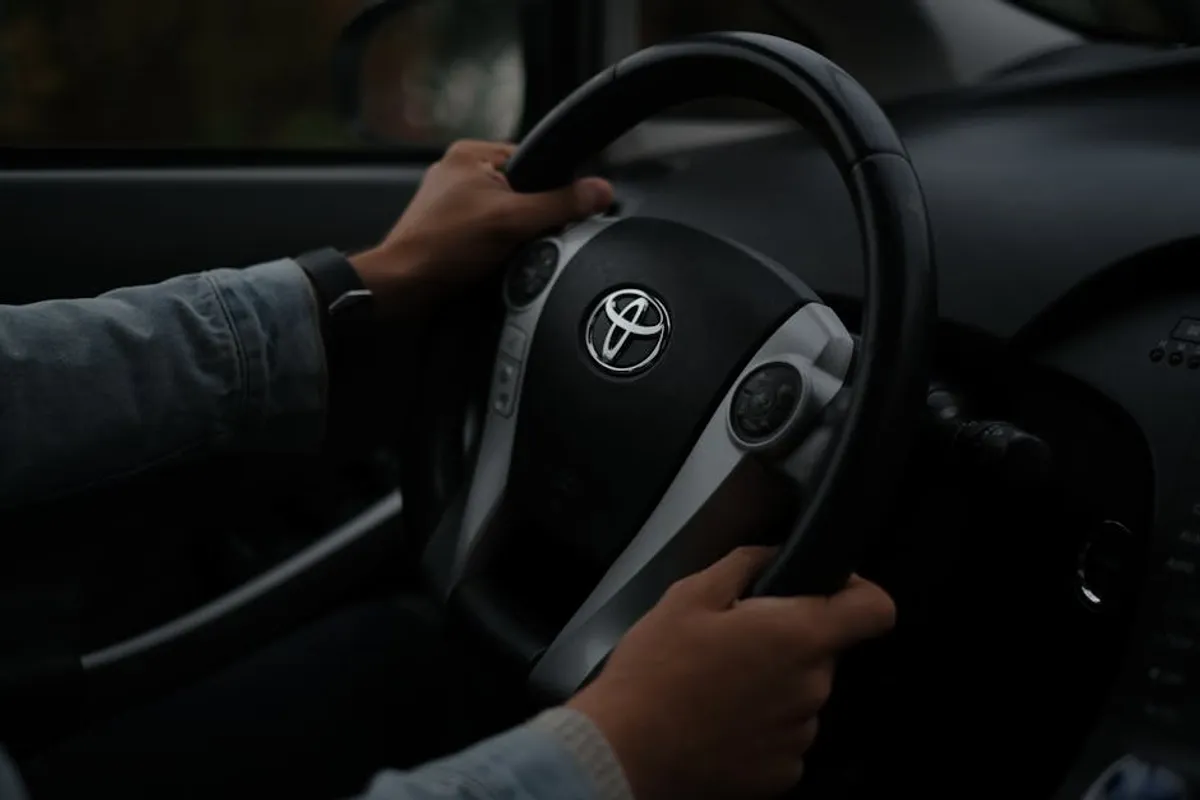
Prospective buyers weighing a Toyota Tundra against a Toyota Chaser face a fundamental decision between utility and performance, domestic availability and specialized import. These vehicles, while sharing the Toyota marque, cater to entirely distinct automotive needs and owner profiles. Understanding their core design philosophies, intended markets, and practical applications is crucial for an informed purchase, moving beyond surface-level specifications to assess which vehicle genuinely aligns with your lifestyle and operational requirements.
Toyota Tundra: Full-Size Utility and North American Dominance
The Toyota Tundra is a full-size pickup truck engineered for demanding tasks and robust daily use, primarily targeting the North American market. Its design prioritizes hauling, towing, and accommodating passengers and cargo in a spacious, durable platform. Tundras are typically powered by V8 or more recently V6 engines, providing substantial torque for heavy loads and off-road capability. The truck's body-on-frame construction contributes to its strength and durability, making it a staple for construction, agriculture, and recreational towing.
Performance and Capability
Tundra models are characterized by their high towing capacities, often exceeding 10,000 pounds when properly equipped, and payloads that can approach 2,000 pounds. Engine options, historically V8s like the 5.7L i-FORCE, deliver ample power for highway cruising, merging, and managing heavy trailers. Newer generations introduce hybrid V6 powertrains, balancing power with improved fuel efficiency for the segment. Four-wheel drive options are common, enhancing traction in adverse weather or challenging terrain, solidifying its role as a workhorse and adventure vehicle.
Interior and Practicality
Inside, the Tundra offers a functional and often comfortable cabin, particularly in crew cab configurations that provide generous rear-seat legroom. Infotainment systems and driver-assistance features have evolved with each generation, making it suitable for long commutes and family travel. Storage solutions are plentiful, both within the cabin and in the truck bed, which can be configured with various lengths and utility features like tie-downs and bed liners. Its size, however, dictates maneuverability in tight urban spaces and impacts fuel consumption compared to smaller vehicles.
Best for: Buyers requiring significant towing and hauling capacity, off-road capability, a spacious cabin for multiple passengers, and a robust platform for demanding work or recreational activities in North America.
Toyota Chaser: JDM Sport Sedan and Driving Dynamics
The Toyota Chaser is a mid-size sport sedan produced primarily for the Japanese Domestic Market (JDM) between 1977 and 2001. Unlike the Tundra, the Chaser emphasizes driving dynamics, performance, and a refined yet sporty aesthetic. It's renowned among enthusiasts for its rear-wheel-drive layout and the availability of powerful inline-six engines, particularly the 1JZ-GTE and 2JZ-GTE (in some variants), which are highly regarded for their tuning potential.
Performance and Driving Dynamics
Chaser models, especially the JZX90 and JZX100 generations, are celebrated for their balanced chassis and responsive handling. The inline-six engines, often turbocharged, provide a smooth power delivery and significant horsepower, making them popular for spirited driving and motorsport applications like drifting. Manual transmission options were available, further appealing to driving purists. The car’s focus is on the driving experience, offering a direct connection between driver and road, rather than raw utility.
Interior and Comfort
The Chaser's interior prioritizes driver and passenger comfort within a sedan form factor. While not as expansive as a full-size truck, it provides comfortable seating for four or five adults, with a focus on quality materials and ergonomic design for its era. Features often included automatic climate control, power accessories, and respectable audio systems. Trunk space is adequate for a sedan of its class, suitable for daily errands, luggage, and typical passenger car use, but not comparable to a truck bed.
Best for: Enthusiasts seeking a rear-wheel-drive sport sedan with strong aftermarket support, tuning potential, a comfortable driving experience, and the unique appeal of a JDM classic, often requiring import.
Key Differentiators in Practical Application
The choice between a Tundra and a Chaser hinges on their fundamental differences in design and purpose. These distinctions manifest in practical ownership and operational costs:
- Market Availability and Acquisition: Tundras are readily available new and used throughout North America, with extensive dealer support. Chasers, being JDM-exclusive, typically require importation, which involves additional costs, paperwork, and potentially longer waiting periods.
- Maintenance and Parts: Tundra parts and service are widespread and easily accessible. Chaser parts, particularly for specific JDM-only components or performance upgrades, may need to be sourced internationally, potentially increasing costs and repair times.
- Fuel Economy: Given its size and engine displacement, the Tundra generally has lower fuel economy figures compared to the Chaser, especially in its V8 configurations. While Chasers can be thirsty when driven hard, their lighter weight and sedan form factor often result in better efficiency under normal driving conditions.
- Insurance and Registration: Insuring an imported JDM vehicle like the Chaser can sometimes be more complex or costly due to its unique status and potential for modification, whereas Tundra insurance is standard for a domestic market vehicle.
- Utility vs. Performance: The Tundra excels in utility tasks like towing, hauling, and off-road excursions. The Chaser's strength lies in its engaging driving dynamics, comfortable ride, and performance potential on pavement.
Pro Tip: When considering a Toyota Chaser, thoroughly research import regulations and the availability of local mechanics experienced with JDM vehicles. Factor in potential challenges with parts sourcing and specialized maintenance requirements, as these can significantly impact long-term ownership costs and vehicle downtime.
Matching Your Toyota to Your Lifestyle
The decision between a Tundra and a Chaser is less about which vehicle is "better" and more about which one aligns with your specific needs and priorities. Consider these scenarios:
If your primary need is for a vehicle that can:
- Transport heavy loads or trailers regularly.
- Navigate challenging terrain or unpaved roads.
- Provide ample space for a large family and their gear.
- Offer robust durability for work or frequent outdoor adventures.
- Be serviced easily at any Toyota dealership.
...then the Toyota Tundra is likely the more appropriate choice.
If your primary desire is for a vehicle that can:
- Deliver an engaging and responsive driving experience.
- Serve as a platform for performance modifications and tuning.
- Offer the unique appeal of a Japanese Domestic Market classic.
- Provide comfortable, sporty sedan transportation for daily use.
- Be a distinctive car that stands out from mainstream options.
...then the Toyota Chaser could be your preferred option, provided you are prepared for the nuances of JDM ownership.
Beyond the Spec Sheet: Understanding Your Investment
Ultimately, investing in either a Toyota Tundra or a Toyota Chaser means committing to a distinct automotive experience. The Tundra represents a practical, powerful, and widely supported utility vehicle designed for hard work and family transport within its primary markets. The Chaser, conversely, offers a niche, performance-oriented sedan experience with a strong enthusiast following, often requiring a commitment to the import process and specialized care. Your choice reflects not just a vehicle preference, but a lifestyle alignment and a willingness to engage with the specific ownership characteristics each model presents.
Frequently Asked Questions
What are the primary differences in engine types between the Tundra and Chaser?
The Tundra typically features larger displacement V6 or V8 engines, optimized for torque and towing capacity. The Chaser is known for its inline-six engines, particularly the turbocharged 1JZ-GTE and 2JZ-GTE, which are celebrated for their smooth power delivery and high-performance potential.
Is it difficult to find parts for a Toyota Chaser?
Parts for a Toyota Chaser can be more challenging to source than for a Tundra, as the Chaser was a JDM-exclusive model. Common wear items may share components with other Toyota models, but specific body panels, interior pieces, or performance parts often require international ordering and specialized suppliers.
Which vehicle offers better fuel efficiency?
Generally, the Toyota Chaser will offer better fuel efficiency than the Toyota Tundra. The Tundra's larger size, heavier weight, and powerful V6/V8 engines are designed for utility, while the Chaser, as a mid-size sedan, has a smaller footprint and often more economical engine options (though turbocharged variants can be thirsty when driven aggressively).
Can a Toyota Chaser be legally registered in my country?
The legality of registering a Toyota Chaser (or any JDM import) depends entirely on your country's and sometimes state/province's specific import laws and regulations. Many countries have a 15-year or 25-year import rule for vehicles not originally sold there, but it is crucial to verify local requirements before attempting to import.