Deciding between a Toyota Tundra and a Nissan Silvia presents a fundamental choice between two vastly different automotive philosophies. This isn't a comparison of direct competitors, but rather an examination of vehicles designed for entirely distinct purposes and buyer profiles. The Tundra is a full-size pickup truck engineered for heavy-duty work, towing, and family utility, prioritizing robustness and cargo capacity. The Silvia, conversely, is a compact sports car, celebrated for its agile handling, rear-wheel-drive dynamics, and significant customization potential, appealing to driving enthusiasts and the aftermarket community. Your choice hinges entirely on your primary needs: whether you require a versatile workhorse or a dedicated driver's machine.
Toyota Tundra: The Workhorse and Family Hauler
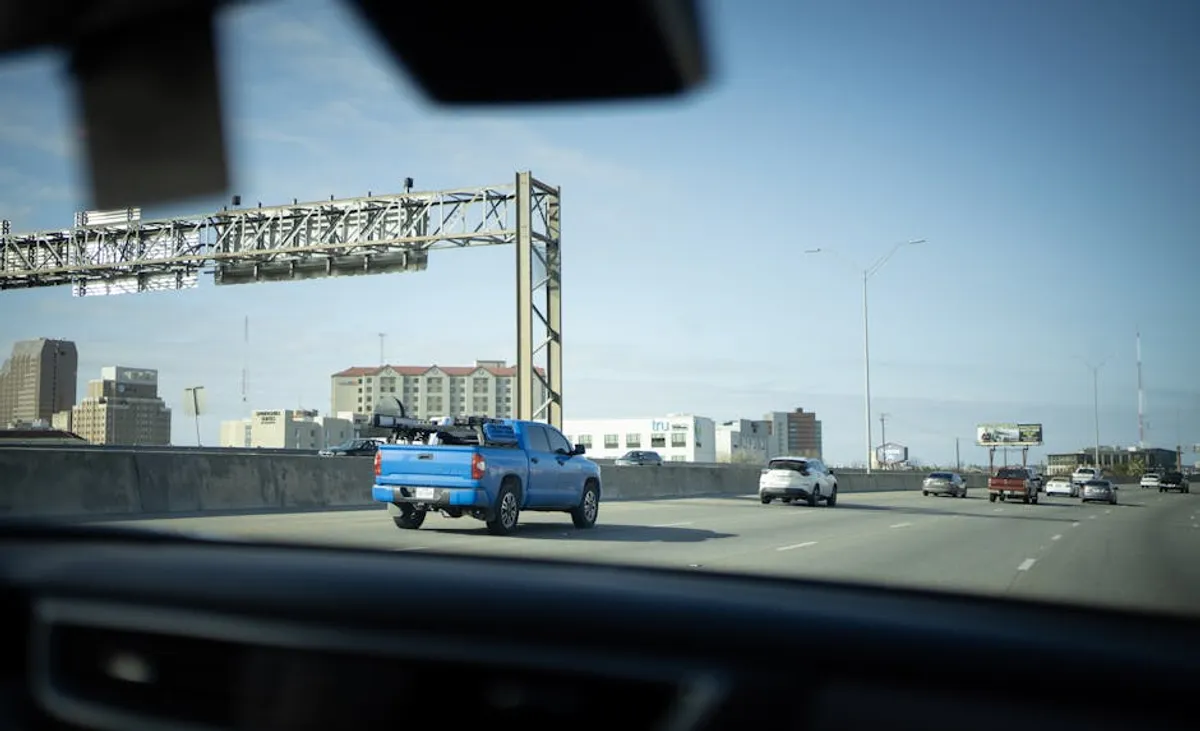
The Toyota Tundra is built for utility and endurance. Its design emphasizes capability, making it a primary choice for those who need to transport significant loads, tow trailers, or navigate challenging terrain. Tundra models consistently feature powerful engine options, primarily V8s in earlier generations and twin-turbo V6s in newer iterations, delivering substantial torque necessary for its intended tasks.
Performance and Capability
Modern Tundra models offer impressive towing capacities, often exceeding 10,000 pounds, and payload capacities well over 1,500 pounds, depending on configuration. These figures are critical for contractors, those with recreational vehicles, or anyone regularly hauling equipment. The available bed lengths (typically 5.5, 6.5, and 8.1 feet) and cab configurations (Double Cab and CrewMax) provide flexibility for cargo and passenger needs. The Tundra's robust frame and suspension system are engineered to withstand demanding conditions, contributing to its reputation for reliability in strenuous applications.
- Engine Options: Historically V8s, current generation features twin-turbo V6 and hybrid V6 powertrains.
- Towing Capacity: Up to 12,000 lbs (newer models), crucial for large trailers or boats.
- Payload Capacity: Up to 1,940 lbs (newer models), suitable for heavy equipment or materials.
- Off-Road Capability: TRD Pro variants offer enhanced suspension, skid plates, and terrain management systems for adventurous use.
Interior and Practicality
Inside, the Tundra prioritizes space, comfort, and functionality, especially in CrewMax configurations which offer generous rear-seat legroom. Technology integration focuses on connectivity and driver assistance features relevant to a modern work vehicle or family hauler, including large infotainment screens, advanced safety suites, and ample storage solutions. The cabin is designed to be durable and practical, accommodating both daily commutes and long hauls with ease.
Best for: Construction professionals, outdoor enthusiasts requiring towing/hauling, large families, anyone needing a reliable, full-size truck for diverse utility.
Nissan Silvia: The Enthusiast's Canvas
The Nissan Silvia series (S-chassis) represents a lineage of compact sports coupes revered for their balanced chassis, rear-wheel-drive layout, and highly tunable engines. Unlike the Tundra, the Silvia's primary appeal lies in its driving dynamics, lightweight construction, and immense potential for modification, making it a cult classic among car enthusiasts, particularly in the drifting and tuning communities.
Driving Dynamics and Customization
Silvia models, especially the S13, S14, and S15 generations, are celebrated for their direct steering, communicative chassis, and predictable handling characteristics. The standard engine options, predominantly SR20DET (turbocharged 2.0L inline-four) and KA24DE (naturally aspirated 2.4L inline-four), provide a solid foundation for performance upgrades. The aftermarket support for the Silvia is extensive, allowing owners to customize everything from engine internals and suspension geometry to body kits and interior components.
Key performance attributes:
- Rear-Wheel Drive: Essential for precise handling and drifting.
- Lightweight Chassis: Contributes to agility and responsiveness.
- Engine Tunability: SR20DET engines are highly capable of significant power increases with modifications.
- Aftermarket Support: Vast array of parts for performance, aesthetic, and functional upgrades.
Availability and Ownership Experience
New Nissan Silvia models are no longer produced, meaning prospective buyers will be looking exclusively at the used and imported markets. This impacts pricing, condition, and availability. Owning a Silvia often involves a commitment to maintenance and potentially ongoing modification. Parts availability for older or JDM-specific components can vary, and insurance costs may be higher due to its sports car classification and modification potential. The ownership experience is less about practical utility and more about passion, driving engagement, and personal expression through customization.
Best for: Driving enthusiasts, track day participants, drifters, automotive tuners, collectors of iconic JDM sports cars.
Direct Comparison: Core Differentiators
The fundamental divergence between the Tundra and Silvia can be distilled into their intended functions and the resulting design compromises.
Functionality: Utility vs. Performance
The Tundra's design prioritizes utility: hauling, towing, and carrying passengers comfortably over long distances. Its robust construction and large footprint are direct consequences of these requirements. The Silvia, conversely, sacrifices utility for pure driving engagement. Its compact size, low center of gravity, and driver-focused cockpit are all geared towards delivering a visceral driving experience rather than practical transport.
Performance Profile: Torque and Durability vs. Agility and Speed
Tundra performance metrics revolve around torque delivery for heavy loads, off-road capability, and long-term durability. Its acceleration is strong for its class, but its handling is typical of a large truck. Silvia performance is defined by its agility, precise handling, and the ability to rapidly change direction. While its stock power figures might not rival modern supercars, its lightweight and RWD platform make it exceptionally fun and engaging to drive at speed, especially on winding roads or tracks.
Ownership Experience: Practicality vs. Passion
Owning a Tundra typically means a straightforward experience focused on routine maintenance, reliability, and leveraging its practical capabilities. Depreciation is generally moderate for well-maintained trucks. Silvia ownership is often a journey of passion, involving sourcing specific parts, customizing the vehicle to personal taste, and potentially more specialized maintenance due to age or modifications. The value of a Silvia can fluctuate significantly based on condition, rarity, and the quality of modifications.
Pro Tip: Before committing to either vehicle, meticulously list your daily and occasional transportation needs. If your requirements include towing a boat, regularly transporting construction materials, or needing significant passenger space, the Tundra is the clear choice. If your priority is a rewarding driving experience, track days, or a highly customizable project car, the Silvia is more appropriate. Attempting to fit one vehicle's role into the other's will lead to significant compromises and dissatisfaction.
Making Your Decision: Matching Vehicle to Lifestyle
Your ultimate decision between a Toyota Tundra and a Nissan Silvia must align with your lifestyle, budget, and primary automotive priorities. Neither vehicle is inherently "better"; they simply excel in different domains. Consider these factors:
If your daily life involves:
- Hauling heavy loads for work or recreation.
- Towing a large trailer, boat, or camper.
- Navigating challenging terrain or construction sites.
- Transporting multiple passengers and their gear comfortably.
- Prioritizing reliability and low long-term ownership costs for a utility vehicle.
Then the Toyota Tundra is likely the superior choice for your needs.
If your passion lies in:
- Engaging, responsive driving dynamics.
- Track days, autocross, or drifting.
- Personalizing and modifying a vehicle for performance or aesthetics.
- Owning a classic JDM sports car with a strong enthusiast community.
- Prioritizing driving pleasure over utility.
Then a Nissan Silvia would be a more fulfilling acquisition.
For the Tundra, research current model years for specific features like hybrid powertrains or advanced safety suites. For the Silvia, focus on thorough pre-purchase inspections, understanding its modification history, and budgeting for potential restoration or performance upgrades. The used market for Silvias is highly varied, so patience and due diligence are paramount.
Frequently Asked Questions
Can a Nissan Silvia be used as a daily driver?
Yes, a well-maintained and minimally modified Nissan Silvia can serve as a daily driver, though its compact size, firm ride, and older safety features might be less comfortable or convenient than a modern car for some. Fuel economy may also be a consideration, especially with performance modifications.
What is the typical lifespan of a Toyota Tundra?
Toyota Tundras are renowned for their longevity and reliability, with many examples exceeding 200,000 to 300,000 miles with proper maintenance. Their robust construction and powertrain designs contribute to their extended service life.
Are Nissan Silvias expensive to maintain?
Maintenance costs for a Nissan Silvia can vary significantly. While basic service for a stock model might be reasonable, sourcing parts for older or imported models can be challenging or costly. Modified Silvias often incur higher maintenance costs due to specialized components and increased wear from performance driving.
Does the Toyota Tundra offer good fuel economy?
As a full-size pickup truck, the Toyota Tundra's fuel economy is generally lower than smaller vehicles, especially older V8 models. Newer generations with twin-turbo V6 and hybrid powertrains offer improved efficiency, but it remains a utilitarian vehicle designed for power over ultimate fuel savings.