The choice between a Toyota Tundra and a Kei truck represents a fundamental divergence in utility vehicle philosophy. This isn't a comparison of direct competitors but rather a decision between two distinct approaches to hauling and transport, each optimized for vastly different operational environments and tasks. Understanding which vehicle aligns with your specific requirements—whether it's raw power and payload capacity or compact efficiency and maneuverability—is critical before committing to a purchase.
Understanding the Core Differences in Design and Purpose
At their foundation, the Toyota Tundra and the Kei truck are engineered for disparate roles. The Tundra is a full-size, half-ton pickup designed for demanding tasks that require significant power, towing, and payload capabilities. It's built to operate effectively on highways, construction sites, and remote trails, often serving as a primary vehicle for work or recreation. Conversely, a Kei truck, originating from Japan's "Kei class" vehicle regulations, is a micro-truck characterized by its ultra-compact dimensions, small engine displacement, and minimalist design. These vehicles are primarily designed for tight urban environments, agricultural use, or light industrial tasks where space is at a premium and heavy loads are not a factor.
Dimensions and Footprint
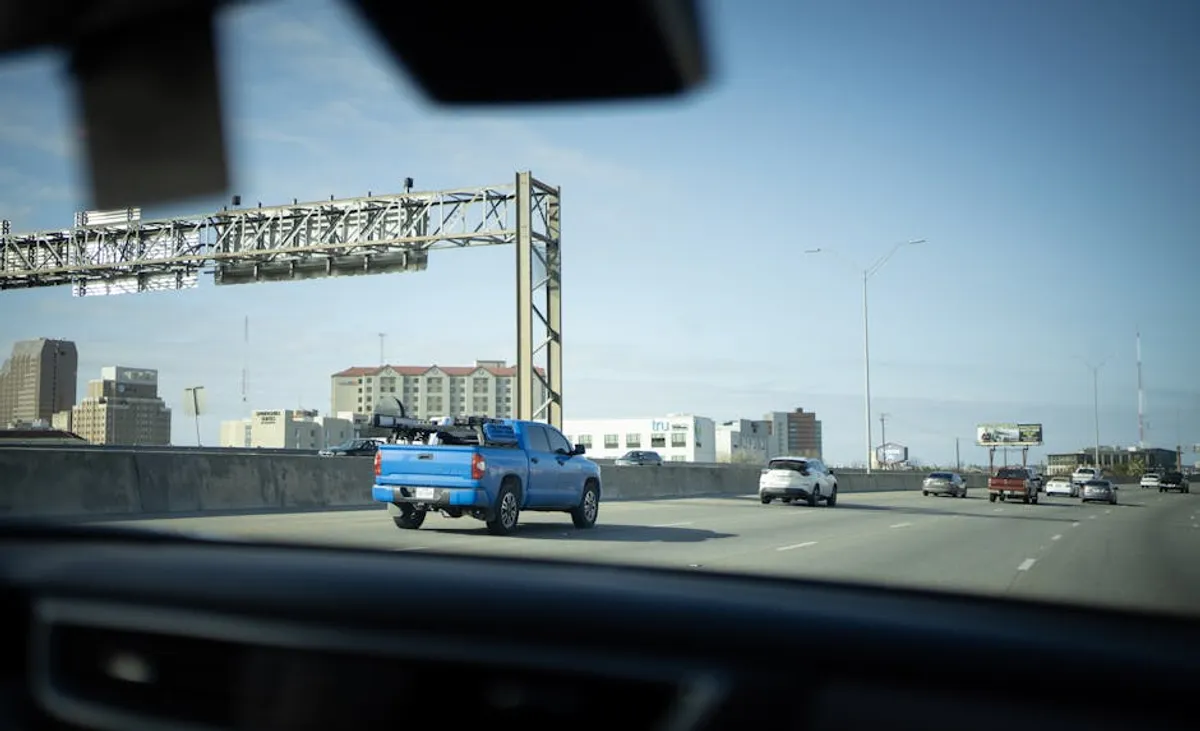
The most immediate and impactful difference lies in physical size. A Toyota Tundra typically spans over 20 feet in length, 6.5 feet in width, and stands around 6.5 feet tall, with curb weights often exceeding 5,000 pounds. This substantial footprint provides interior cabin space, a large bed, and a commanding road presence. In contrast, a Kei truck adheres to strict Japanese regulations: a maximum length of 11.2 feet, width of 4.8 feet, and height of 6.6 feet, with an engine displacement capped at 660cc. Their curb weight rarely exceeds 2,000 pounds. This compact size allows Kei trucks to navigate narrow alleys, park in minimal spaces, and operate efficiently on properties where larger vehicles are impractical.
Engine Performance and Drivetrain
Performance metrics underscore the divergent design philosophies. Modern Toyota Tundras are equipped with powerful V6 or V8 engines, often producing well over 300 horsepower and 400 lb-ft of torque. These engines are paired with robust automatic transmissions and are available with advanced four-wheel-drive systems, enabling substantial towing capacities (often exceeding 10,000 pounds) and payloads (over 1,500 pounds). They are designed for sustained highway speeds and heavy-duty work. Kei trucks, by regulation, feature engines no larger than 660cc, typically three-cylinder units, producing around 40-50 horsepower. While many Kei trucks offer selectable 4WD and even low-range gearing, their power output is suitable for speeds up to 60-70 mph on flat terrain, with their practical utility focused on low-speed torque for light hauling rather than rapid acceleration or heavy towing.
Operational Considerations and Use Cases
The practical application of each truck dictates its value proposition.
Payload and Towing Capacity
- Toyota Tundra: Designed for significant hauling. Typical payload capacities range from 1,500 to 1,900 pounds, depending on configuration. Towing capacities frequently exceed 10,000 pounds, making it suitable for pulling large campers, utility trailers, or construction equipment.
- Kei Truck: Built for light loads. Payload capacities generally range from 700 to 1,000 pounds. Towing is severely limited, often only suitable for very small trailers or utility carts, and is not a primary design consideration.
Pro Tip: Before purchasing a Kei truck for road use, thoroughly research your state's specific registration and titling laws. Many states have restrictions on their use on public roads, especially highways, or classify them as off-road vehicles due to their speed limitations and lack of modern safety features.
Fuel Economy and Running Costs
Fuel efficiency is a direct consequence of size and engine design. A Toyota Tundra, with its large engine and weight, typically achieves EPA ratings in the range of 15-20 miles per gallon combined. This is a significant operational cost for frequent drivers or businesses. Kei trucks, with their tiny engines and light weight, often deliver fuel economy in the range of 30-40 miles per gallon, sometimes higher, especially in urban or off-road settings. Maintenance costs can also differ; while Tundra parts are widely available, component complexity and labor rates for full-size trucks can be higher. Kei truck parts may require import, but the mechanical simplicity often results in lower labor costs for routine maintenance.
Legality and Availability
Toyota Tundras are standard new and used vehicles available through dealerships nationwide. Kei trucks, however, are typically imported used vehicles, subject to specific federal regulations in the United States, most notably the 25-year import rule. This means only Kei trucks older than 25 years can be legally imported for road use. Newer models are generally limited to off-road use or private property. This restriction impacts availability, parts sourcing, and often requires navigating specific state-by-state registration hurdles, which can vary significantly.
Choosing Your Ideal Truck
The decision hinges on defining your primary operational needs:
Best for: Toyota Tundra
- Heavy towing of trailers, boats, or RVs.
- Transporting significant payloads for construction, landscaping, or large-scale personal projects.
- Regular highway travel and long-distance driving.
- Requiring a spacious cabin for multiple passengers or extensive storage.
- Operating in conditions where robust power and ground clearance are essential.
Best for: Kei Truck
- Light-duty hauling on farms, campuses, or large private properties.
- Navigating extremely tight urban spaces, narrow roads, or dense industrial complexes.
- Prioritizing fuel efficiency and minimal environmental impact for short-distance tasks.
- Requiring a highly maneuverable vehicle for specific utility functions (e.g., mail delivery, groundskeeping).
- Operating primarily off-road or in jurisdictions with clear Kei truck registration for public roads.
Ultimately, the Toyota Tundra is a robust workhorse built for demanding tasks and widespread utility, while the Kei truck is a specialized tool offering unparalleled compactness and efficiency for niche applications. Your purchase decision should be a direct reflection of the scale and scope of the work you intend for the vehicle to perform.
Frequently Asked Questions
Are Kei trucks street legal in the United States?
Kei trucks are generally street legal in the U.S. if they are at least 25 years old, meeting federal import regulations. However, state-specific laws vary widely, with some states imposing restrictions on their use on public roads or limiting registration to off-highway use only.
What is the typical fuel economy difference between a Tundra and a Kei truck?
A Toyota Tundra typically achieves 15-20 MPG combined, while a Kei truck can often deliver 30-40 MPG or more, representing a significant difference in operational fuel costs.
Can a Kei truck be used for heavy towing?
No, Kei trucks are not designed for heavy towing. Their small engines and light frames limit their towing capacity to very light loads, making them unsuitable for pulling trailers, boats, or significant equipment.
What are the main advantages of a Toyota Tundra over a Kei truck for commercial use?
For commercial use, the Tundra offers superior payload and towing capacity, greater highway stability and speed, widespread parts availability, and a higher level of crash safety, making it suitable for heavy-duty work and long-distance transport.