The decision between a Toyota Land Cruiser and a Porsche 911 represents a fundamental divergence in automotive priorities. These vehicles occupy entirely distinct segments, designed for vastly different purposes and catering to disparate lifestyles. Your selection hinges not on which car is inherently "better," but on a precise alignment with your primary driving needs, daily routines, financial considerations, and personal values regarding vehicle utility versus performance. This analysis details the core distinctions to guide an informed purchasing choice.
Core Purpose and Design Philosophy
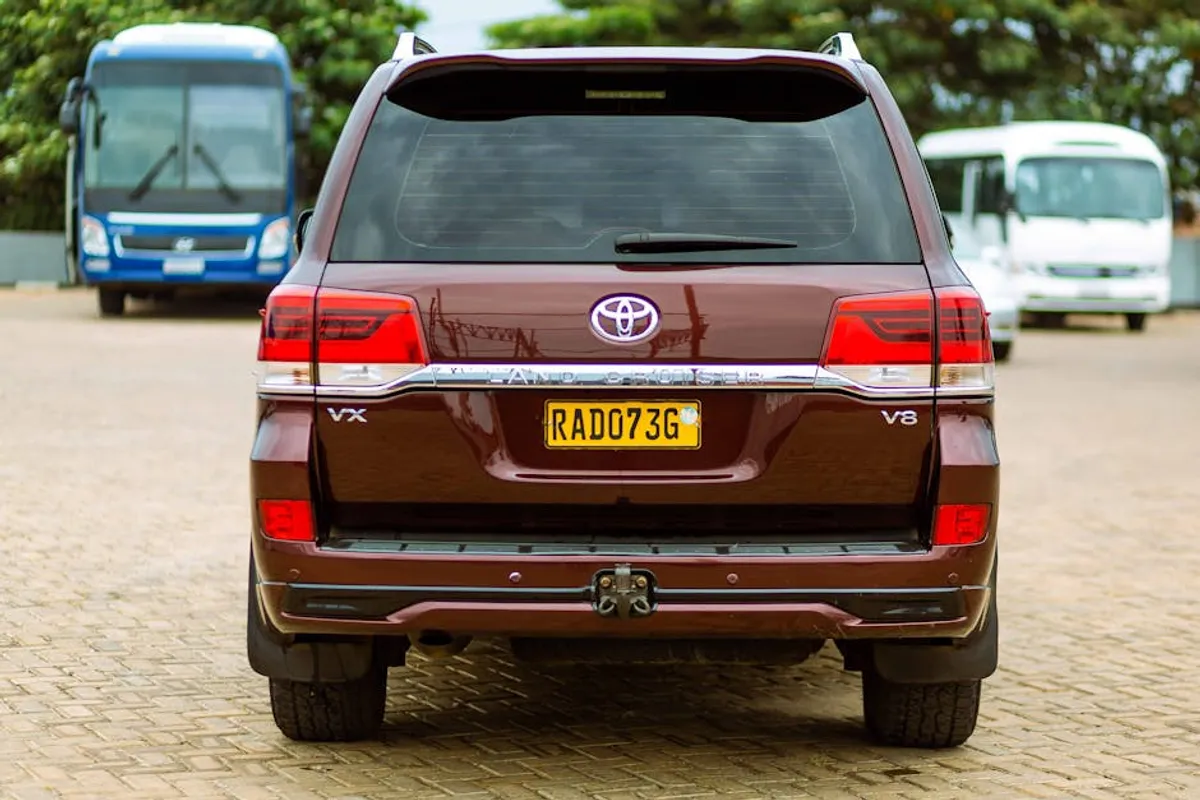
The Toyota Land Cruiser is engineered as a robust, full-size luxury SUV with an unwavering focus on durability, off-road capability, and long-term reliability. Its design prioritizes a commanding presence, substantial cargo capacity, and the ability to traverse challenging terrain while maintaining passenger comfort. The Land Cruiser's reputation is built on its go-anywhere, do-anything ethos, often serving as a primary family vehicle or an expedition platform. It's a statement of pragmatic luxury and adventurous capability.
In stark contrast, the Porsche 911 is a quintessential high-performance sports car, meticulously crafted for driving exhilaration. Its rear-engine, rear-wheel-drive (or all-wheel-drive) layout, aerodynamic profile, and low-slung stance are all optimized for speed, precise handling, and an engaging driving experience on paved roads. The 911's design is iconic, evolving subtly over decades to maintain its distinctive silhouette while incorporating cutting-edge performance technology. It represents a commitment to driving purity and athletic prowess.
Performance and Driving Dynamics
Performance metrics for these two vehicles are not directly comparable due to their divergent design goals. The Land Cruiser typically features a powerful V8 engine, delivering ample torque for towing and off-road maneuvers. Acceleration is competent for a large SUV, but its driving dynamics are characterized by a comfortable, composed ride, substantial body roll in corners, and a higher center of gravity. Its advanced four-wheel-drive systems, locking differentials, and multi-terrain select features define its performance envelope, focusing on traction and control in adverse conditions.
- Land Cruiser Key Performance Traits:
- Robust V8 engine (e.g., 5.7L V8, 381 hp, 401 lb-ft torque in recent generations)
- Full-time 4WD with locking center differential
- Kinetic Dynamic Suspension System (KDSS) for improved articulation and on-road stability
- Zero-to-60 mph in approximately 6.7 to 7.0 seconds
- Towing capacity often exceeding 8,000 pounds
The Porsche 911, conversely, prioritizes outright speed, agility, and driver feedback. Its flat-six engine, whether naturally aspirated or turbocharged, produces significantly higher power-to-weight ratios. The 911's precise steering, firm suspension, and advanced traction management systems deliver exceptional cornering grip, rapid acceleration, and powerful braking. Driving a 911 is an immersive, sensory experience, where every input translates directly into vehicle response.
- Porsche 911 Key Performance Traits (varies by trim and generation):
- Flat-six engine (e.g., Carrera S: 3.0L twin-turbo, 443 hp, 390 lb-ft torque)
- Rear-wheel drive or all-wheel drive options
- Porsche Active Suspension Management (PASM) and Porsche Torque Vectoring (PTV)
- Zero-to-60 mph in typically 3.0 to 4.0 seconds (or less for Turbo/GT models)
- Top speeds often exceeding 180 mph
Practicality and Versatility
Best for: Daily utility, family transport, towing, off-road exploration, long-distance comfort.
The Land Cruiser excels in practicality. It offers three rows of seating, accommodating up to eight passengers, and boasts a cavernous cargo area that expands significantly with the rear seats folded. Its elevated ride height provides excellent visibility and simplifies ingress/egress for many. The robust construction and ample ground clearance make it suitable for unpaved roads, snow, and light off-roading, extending its utility beyond urban environments. It is designed to haul people, gear, and trailers without compromise.
Best for: Enthusiastic driving, weekend trips, individual or two-person transport.
The 911's practicality is limited by its sports car nature. It offers 2+2 seating, meaning the rear seats are typically only suitable for small children or additional luggage. Cargo space is minimal, split between a small "frunk" (front trunk) and the area behind the front seats. Its low ground clearance and stiff suspension are not conducive to navigating rough terrain or handling large loads. The 911 is a focused instrument for driving pleasure, not a multi-purpose hauler.
Pro Tip: Evaluate your typical weekly usage. If your routine involves carpooling, frequent grocery runs, or occasional trips to outdoor recreation spots requiring more than pavement, the Land Cruiser's inherent utility will deliver consistent value. If your driving is primarily for enjoyment, with minimal passenger or cargo demands, the 911's focused performance will be more satisfying.
Interior Experience and Technology
The Land Cruiser's interior emphasizes rugged luxury and ergonomic functionality. Materials are durable yet refined, designed to withstand years of use while providing comfort. Technology focuses on connectivity, navigation, and driver assistance features that enhance safety and convenience for a family-oriented vehicle. The cabin is spacious and quiet, offering a commanding view of the road.
The 911's interior is driver-centric, with a cockpit designed to optimize control and engagement. Materials are premium, often featuring high-quality leather, Alcantara, and carbon fiber accents. Technology is integrated to support the driving experience, with advanced infotainment and performance monitoring systems. The focus is on tactile feedback, ergonomic placement of controls, and a sense of being connected to the machine.
Ownership Costs and Resale Value
Both vehicles represent significant investments, but their ownership cost profiles differ. The Land Cruiser, while having a high initial purchase price, is renowned for its exceptional long-term reliability and strong resale value, often depreciating slower than many luxury SUVs. Fuel economy is a consideration due to its large engine and weight. Maintenance costs are generally consistent with a premium vehicle, though parts availability is excellent.
The Porsche 911 also commands a high initial price. Its resale value is typically robust, especially for desirable trims and manual transmission models, often holding value better than many other sports cars. However, maintenance and repair costs can be significantly higher due to specialized parts, labor rates, and the complexity of high-performance engineering. Fuel economy, while better than a Land Cruiser, is still secondary to performance.
Making Your Final Decision
The choice between a Toyota Land Cruiser and a Porsche 911 is a clear reflection of priorities. If your lifestyle demands robust utility, seating for multiple passengers, significant cargo capacity, reliable performance across diverse terrains, and a vehicle built for longevity and adventure, the Land Cruiser is the logical choice. Its blend of luxury, capability, and renowned durability makes it an enduring investment for practical needs.
Conversely, if your primary motivation is an unparalleled driving experience, visceral performance, precise handling, and the prestige of an automotive icon, the Porsche 911 stands alone. It is a vehicle designed to thrill and engage the driver, offering a connection to the road that few others can match. This choice prioritizes passion and performance over utilitarian considerations.
Frequently Asked Questions
Can a Land Cruiser be considered a luxury vehicle? Yes, modern Land Cruisers offer premium interiors, advanced technology, and refined driving characteristics that firmly place them in the luxury SUV segment, while retaining their rugged capability.
Is a Porsche 911 suitable for daily driving? While many 911 owners use their cars daily, its low ground clearance, firm ride, limited practicality, and high performance focus mean it is less comfortable and versatile than a typical daily driver. It excels when its performance can be fully appreciated.
Which vehicle has better resale value? Both vehicles generally hold their value well within their respective segments. The Land Cruiser benefits from its reputation for durability and utility, while the 911 benefits from its iconic status and demand among enthusiasts. Specific models and market conditions will influence exact depreciation.
What are the main financial considerations beyond purchase price? For the Land Cruiser, anticipate higher fuel costs due to its V8 engine. For the 911, expect higher insurance premiums, specialized maintenance, and potentially more expensive tire replacements due to its performance characteristics.