Choosing between a Toyota Land Cruiser and a Honda Acty represents a decision between two fundamentally different automotive philosophies. These vehicles serve distinct purposes, cater to divergent operational needs, and appeal to entirely separate buyer profiles. This isn't a direct head-to-head comparison of rivals, but rather an examination of which vehicle best fits specific commercial or personal applications based on their inherent design and capabilities. Understanding their core distinctions in size, power, utility, and cost is crucial for making an informed purchase that aligns with your practical requirements and budget. This detailed approach is also useful when considering a luxury SUV comparison, ensuring you focus on practical needs over brand prestige.
Defining the Vehicles: Purpose and Class
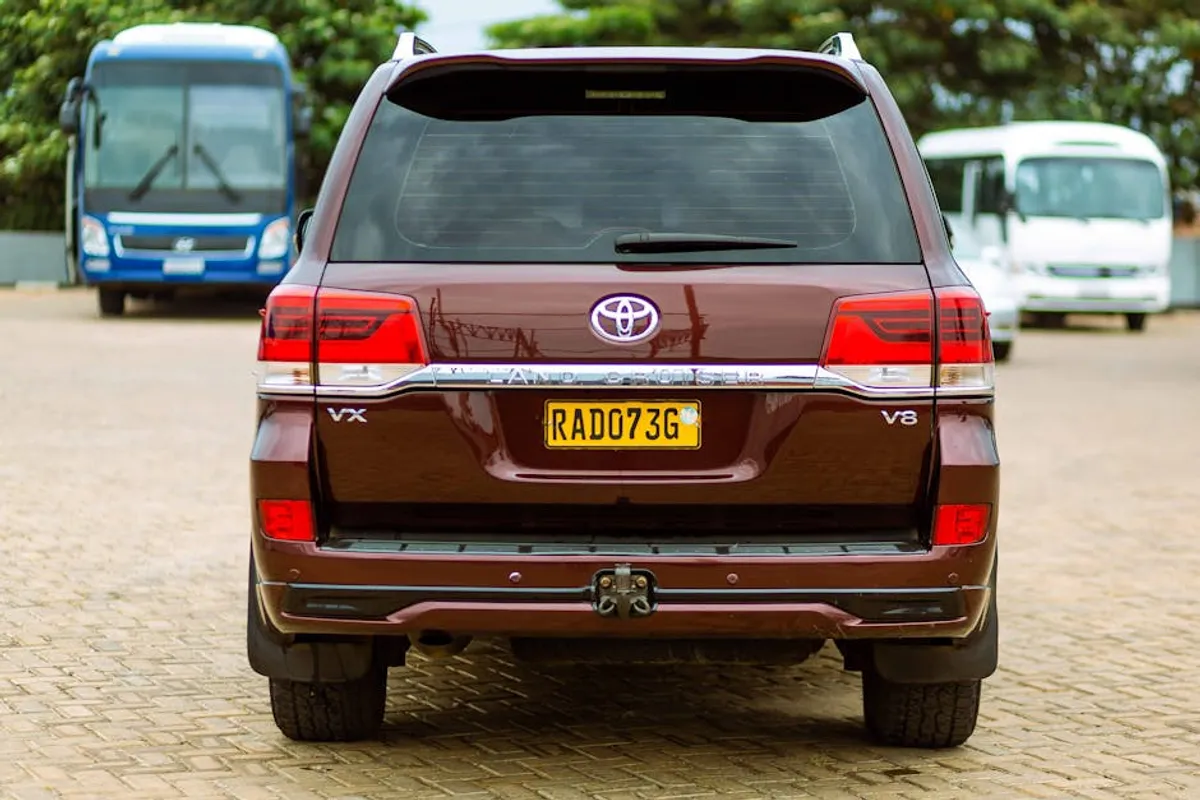
The Toyota Land Cruiser is a full-size, body-on-frame SUV, globally recognized for its robust off-road capability, durability, and often, its luxury appointments. It’s engineered for demanding conditions, long-distance travel, and carrying multiple passengers or significant cargo over varied terrains. Its heritage is rooted in utilitarian work vehicles, evolving into a premium, go-anywhere family hauler or expedition vehicle.
Conversely, the Honda Acty falls into the Japanese Kei class of vehicles – ultra-compact, highly efficient, and designed for maximum utility in confined spaces. Available as a mini-truck (pickup) or a van, the Acty prioritizes maneuverability, fuel economy, and low operating costs. It is typically a cab-over design, meaning the driver sits directly above the front axle, maximizing cargo space relative to its diminutive footprint. The Acty is a workhorse for urban deliveries, small businesses, or light agricultural tasks.
Toyota Land Cruiser: Attributes and Ideal Use Cases
The Land Cruiser's appeal lies in its uncompromising build quality and capability.
- Off-Road Prowess: Equipped with advanced 4WD systems, high ground clearance, and robust suspension, it excels in challenging terrain, from desert dunes to rocky trails.
- Durability and Reliability: Known for long-term reliability and high mileage capability, making it a sound investment for demanding environments or remote operations where breakdowns are costly.
- Passenger Comfort and Space: Offers ample interior room, often with three rows of seating, and a comfortable ride for long journeys. Many models include premium features and advanced infotainment.
- Towing and Hauling: Significant towing capacity suits those needing to pull trailers, boats, or other heavy equipment.
Best for: Individuals or businesses requiring a highly capable off-road vehicle, long-distance touring, transporting multiple passengers in comfort, heavy towing, or operating in remote areas where reliability is paramount.
Honda Acty: Attributes and Ideal Use Cases
The Acty's strengths are its compact dimensions and operational efficiency.
- Compact Utility: Its small size allows it to navigate narrow city streets, crowded construction sites, or tight farm paths where larger vehicles struggle.
- Fuel Efficiency: Powered by a small (typically 660cc) engine, the Acty delivers excellent fuel economy, reducing running costs for frequent, short-distance trips.
- Maneuverability: A tight turning radius makes parking and maneuvering in congested areas exceptionally easy.
- Versatile Cargo Space: Despite its small exterior, the cab-over design and often fold-flat beds or rear seats provide surprising cargo capacity for its class.
Best for: Urban delivery services, small businesses (landscaping, plumbing, catering), light agricultural use, campus maintenance, or as a secondary utility vehicle where space and economy are primary concerns.
Performance and Drivetrain
The performance profiles of these two vehicles are dramatically different, reflecting their intended applications.
Land Cruiser: Power and Capability
Modern Land Cruisers typically feature large-displacement engines, such as V6 or V8 gasoline engines, or powerful turbodiesel options in some markets. These engines provide substantial horsepower and torque, necessary for off-road performance, high-speed highway cruising, and heavy towing. The drivetrain is almost universally a sophisticated full-time or part-time 4WD system, often with low-range gearing, locking differentials, and electronic traction aids. Its body-on-frame construction provides a robust platform for demanding use.
Acty: Efficiency and Agility
The Acty employs a small, inline-3 cylinder engine, usually positioned mid-ship for better weight distribution and to maximize cabin space. Power output is modest, designed for efficiency and light loads rather than speed or heavy-duty tasks. Most Acty models are rear-wheel drive, with selectable 4WD options available, particularly useful for light off-pavement work or adverse weather. Its independent suspension and light curb weight contribute to its nimble handling, though it is not built for high-speed stability or heavy impacts.
Pro Tip: When importing a Honda Acty, be aware of local regulations regarding Kei vehicles. Some jurisdictions may have specific registration, insurance, or inspection requirements due to their unique classification and size. Always verify compliance before purchase.
Interior and Cargo Capacity
The interior experience and cargo functionality are further points of divergence.
Land Cruiser: Refinement and Volume
The Land Cruiser's interior is designed for comfort and durability. It offers generous legroom and headroom for all occupants, often with premium materials, climate control, and advanced infotainment systems. Cargo capacity behind the third row is limited but expands significantly with seats folded, making it suitable for large luggage, camping gear, or commercial equipment. Access to the cargo area is typically via a large liftgate or barn doors.
Acty: Practicality and Adaptability
The Acty's cabin is utilitarian, prioritizing function over luxury. While compact, the cab-over design offers surprising headroom. Features are basic but functional, focusing on driver visibility and ease of access to controls. As a mini-truck, its open bed is highly versatile for various loads, with low loading heights. The van version offers enclosed, adaptable cargo space, often with sliding side doors for easy loading and unloading in tight spots. Passenger space is typically limited to two front seats in the truck, or up to four in the van, though rear seating can be cramped.
Ownership Costs and Value Retention
Financial considerations are a major factor in any vehicle purchase.
Initial Purchase Price
New Toyota Land Cruisers represent a significant investment, often starting in the high five-figure range and escalating with luxury trims. Used models, especially well-maintained ones, retain their value exceptionally well due to their reputation for longevity. Honda Actys, particularly imported used models, are considerably more affordable, often available for a fraction of the cost of a new Land Cruiser.
Fuel Economy and Maintenance
The Land Cruiser, with its larger engine and heavier build, has higher fuel consumption. Maintenance costs can also be higher for parts and labor, reflecting its more complex systems and premium components. The Acty's small engine results in excellent fuel efficiency. Maintenance is generally straightforward and inexpensive due to its simpler mechanical design and readily available parts (for common wear items).
Resale Value
Both vehicles can hold their value well, but for different reasons. The Land Cruiser's legendary reliability and desirability in global markets ensure strong resale value, often depreciating slower than many luxury SUVs. The Acty, while less expensive initially, also maintains a decent resale value, particularly for well-maintained examples in niche markets that appreciate its specific utility.
Who Should Buy Which?
The choice between a Toyota Land Cruiser and a Honda Acty is not about which vehicle is "better," but which is appropriate for your specific needs.
Opt for the Toyota Land Cruiser if your priorities include:
- Navigating challenging off-road terrain or unpaved roads regularly.
- Reliable long-distance travel with multiple passengers or heavy cargo.
- Requiring significant towing capacity.
- Desiring a blend of rugged capability with premium comfort and features.
- Operating in environments where vehicle robustness and longevity are critical for business continuity.
Choose the Honda Acty if your primary concerns are:
- Maneuvering and parking in congested urban or confined rural spaces.
- Minimizing fuel consumption and operational costs for light-duty tasks.
- Transporting small to medium loads for local deliveries or property maintenance.
- Needing a highly practical, no-frills utility vehicle with a small footprint.
- Operating within a strict budget for vehicle acquisition and running costs.
Frequently Asked Questions
Q: Can a Honda Acty be used for highway driving?
A: While capable of highway speeds, the Acty's small engine and light weight mean it's less stable and comfortable at sustained high speeds compared to larger vehicles. It is best suited for urban or local road use.
Q: Is the Toyota Land Cruiser a good family vehicle?
A: Yes, its spacious interior, high safety ratings, and comfortable ride make it an excellent family vehicle, especially for those who need its off-road capability or frequently travel long distances.
Q: What are the common maintenance considerations for a Honda Acty?
A: Regular oil changes, spark plug replacements, and attention to cooling system components are important, similar to any small engine. Due to its age (if imported used), rubber components like hoses and belts may need inspection and replacement.
Q: How does the Land Cruiser perform in severe weather conditions?
A: With its advanced 4WD system, high ground clearance, and substantial weight, the Land Cruiser excels in adverse weather like heavy snow, ice, or deep mud, offering superior traction and stability.