Choosing between a Toyota Land Cruiser and a Ford Bronco involves more than just comparing specifications; it requires aligning a vehicle's inherent design and capability with specific ownership priorities and intended use cases. Both SUVs are engineered for off-road performance, but they approach this mission with distinct philosophies that translate into different on-road manners, interior experiences, and long-term ownership propositions. The decision hinges on whether a buyer prioritizes expedition-grade reliability and refined comfort for global travel, or a modular, trail-focused machine designed for recreational off-roading and open-air adventure. Understanding these core differentiators is key to identifying which vehicle best serves a buyer's needs.
Core Design Philosophies
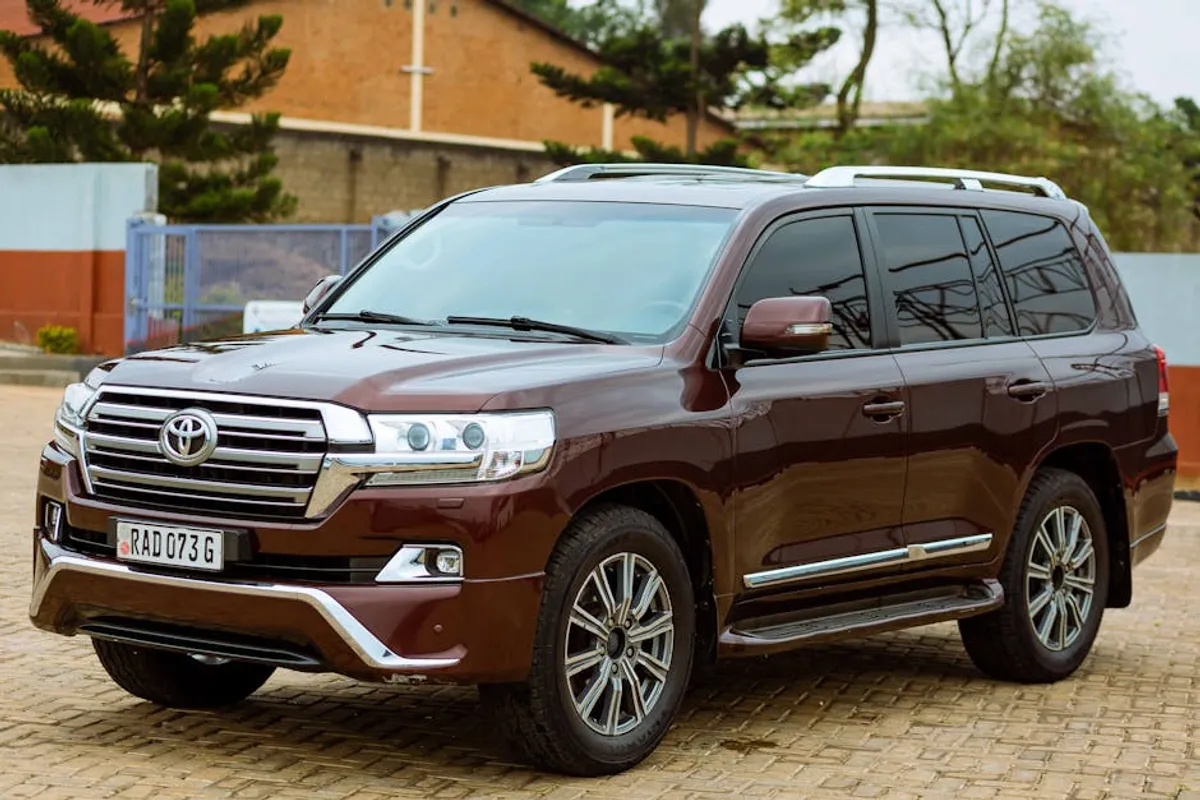
The Toyota Land Cruiser has historically been developed as a global utility vehicle, designed for sustained operation in remote and challenging environments. Its engineering prioritizes durability, long-distance comfort, and the ability to carry passengers and cargo across varied terrain for extended periods. This translates to a robust, body-on-frame construction with an emphasis on mechanical longevity and predictable performance under stress, often in regions where advanced service infrastructure is scarce.
Conversely, the Ford Bronco is conceived as a recreational off-roader, directly targeting enthusiasts seeking trail performance and a customizable, open-air experience. Its design incorporates modularity, allowing owners to remove doors and roof panels, and offers a range of specialized off-road packages. The Bronco’s engineering focuses on tackling specific obstacles and providing an engaging, interactive driving experience, often with a higher degree of electronic assistance and configurable drive modes for varied trail conditions.
Off-Road Prowess: Technical Differentiators
Both vehicles are highly capable off-road, but their approaches to conquering terrain differ significantly in execution and emphasis.
Toyota Land Cruiser
- Suspension: Often features a coil-spring independent front suspension paired with a solid rear axle, providing a balance of on-road comfort and off-road articulation. Later models integrate Kinetic Dynamic Suspension System (KDSS) for improved wheel travel and stability.
- Drivetrain: Typically employs a full-time four-wheel-drive system with a low-range transfer case. Advanced electronic aids like Crawl Control and Multi-Terrain Select enhance traction and control on difficult surfaces.
- Durability: Engineered for extreme longevity, with oversized components and robust construction designed to withstand continuous abuse in harsh climates and terrains.
Ford Bronco
- Suspension: Utilizes an independent front suspension and a solid rear axle. Higher trims offer Bilstein position-sensitive dampers or active sway bar disconnect for enhanced articulation and high-speed stability.
- Drivetrain: Available with part-time or advanced automatic 4x4 systems, both featuring a low-range transfer case. The G.O.A.T. Modes (Goes Over Any Type of Terrain) system integrates powertrain, steering, and braking for optimized performance across various conditions.
- Modularity: Features removable doors, roof panels, and fender flares, allowing for an open-air experience and easier repair/customization.
Pro Tip: Evaluate your typical off-road scenarios. If your adventures involve long-distance, unsupported travel over unpredictable terrain, the Land Cruiser’s inherent robustness and reliability are paramount. For dedicated trail challenges, rock crawling, or mudding where modularity and specific electronic aids are beneficial, the Bronco offers tailored solutions.
On-Road Experience and Daily Practicality
The distinction in design philosophy extends directly to how these vehicles perform and feel during daily driving and longer highway journeys.
The Land Cruiser typically offers a more refined, composed on-road ride. Its heavier construction and suspension tuning are geared towards absorbing road imperfections and providing a quiet, stable cabin environment, making it a comfortable long-distance cruiser and family hauler. Steering is generally less direct than more car-like SUVs but provides a reassuring sense of stability.
The Bronco, especially in its more aggressive off-road configurations, presents a more rugged on-road demeanor. While comfortable, its suspension tuning prioritizes off-road articulation, which can translate to a firmer ride on pavement. Wind noise can be more pronounced, particularly with modular roof panels, and the steering, while precise for trail work, may feel more direct and less isolated than the Land Cruiser’s on the highway. Its narrower body and shorter wheelbase options contribute to a more agile feel in urban environments but can be less stable at higher speeds compared to the Land Cruiser's broader stance.
Interior Appointments and Technology Integration
Interior design and technology reflect each vehicle's primary purpose.
The Land Cruiser’s interior emphasizes durable, high-quality materials and ergonomic layouts designed for functionality and comfort over extended periods. While modern, its infotainment system and digital interfaces tend to be more traditional, prioritizing ease of use and reliability. Space is generous, with a focus on passenger comfort and cargo capacity for expeditions.
The Bronco’s interior is characterized by a more contemporary and utilitarian design, often featuring washable surfaces and an emphasis on integrating technology for outdoor adventures. Larger touchscreens, advanced connectivity, and specialized off-road cameras are common. Storage solutions are often modular and designed for outdoor gear. While comfortable, the focus is less on luxury and more on rugged functionality and customization.
Ownership Considerations: Reliability and Resale
Long-term ownership costs and value retention are significant factors.
Reliability: Toyota’s reputation for reliability is a cornerstone of the Land Cruiser’s appeal. These vehicles are known for their mechanical durability and ability to accumulate high mileage with proper maintenance, leading to lower unexpected repair costs over their lifespan.
Resale Value: Land Cruisers consistently command strong resale values due to their reputation for longevity and capability, making them a sound long-term investment.
Reliability: As a newer platform, the Bronco's long-term reliability profile is still developing. Ford offers comprehensive warranties, and the modular design facilitates component replacement. Early models have seen some initial issues, common with new vehicle launches, but ongoing updates address these.
Resale Value: The Bronco has shown strong initial resale values, driven by high demand and its distinctive market position. Its aftermarket support and customization potential also contribute to maintaining desirability.
Making the Final Decision
The choice between a Toyota Land Cruiser and a Ford Bronco ultimately depends on a buyer's specific priorities:
Best for: The Toyota Land Cruiser suits buyers who need a supremely reliable, comfortable, and capable vehicle for long-distance travel, family adventures, or expeditions where mechanical robustness and proven longevity are paramount. It offers a more refined on-road experience while still providing formidable off-road capability for sustained, demanding use.
Best for: The Ford Bronco is ideal for enthusiasts seeking a highly customizable, trail-focused off-roader designed for challenging terrain and an immersive, open-air experience. Its modularity and specialized off-road technology cater to those who prioritize recreational off-roading and a more active, hands-on approach to adventure.
Frequently Asked Questions
Which vehicle offers better fuel economy?
Neither vehicle is celebrated for exceptional fuel economy due to their robust construction and off-road capabilities. Specific figures vary by engine choice and configuration, but both typically fall into similar ranges, often in the mid to high teens for combined MPG.
Is one significantly more expensive to maintain?
Maintenance costs for both are generally in line with large, capable SUVs. Toyota parts for the Land Cruiser are widely available and often durable, contributing to predictable long-term costs. Ford Bronco parts are also readily available, and its newer design may incorporate more advanced electronics that could influence repair costs over time.
Which offers more cargo space?
The Toyota Land Cruiser typically offers more overall interior volume and cargo space, particularly behind the second row, making it generally more accommodating for large families or extensive gear for long trips. The Bronco offers ample space for its class, but its design prioritizes modularity and off-road dimensions.
Can both be used as daily drivers?
Yes, both vehicles can serve as daily drivers. The Land Cruiser provides a more traditional, comfortable, and refined daily driving experience. The Bronco, while capable as a daily driver, offers a more rugged and engaging ride, which some drivers prefer, but it might be less isolated from road imperfections and noise, especially in certain configurations.