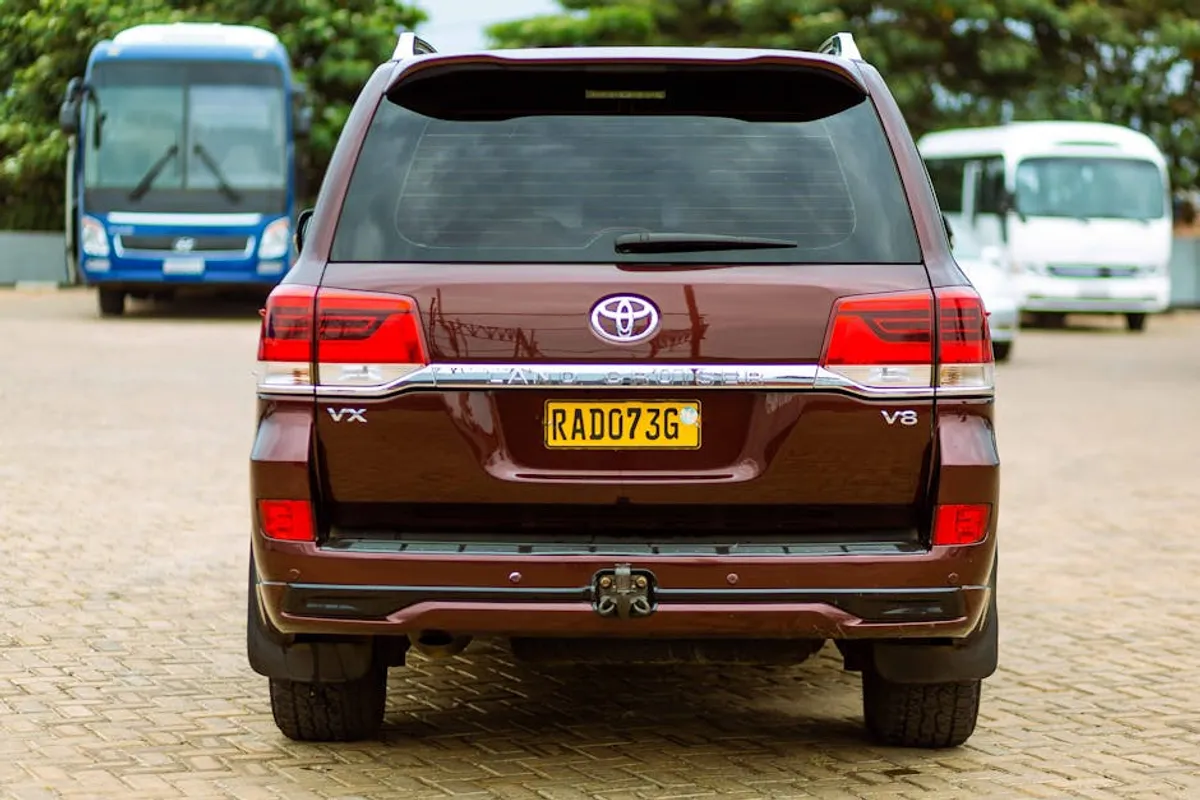
The Toyota Land Cruiser maintains a global reputation as an exceptionally durable and capable vehicle, often considered the benchmark for off-road reliability. For prospective buyers or current owners, understanding this reputation means acknowledging that while the Land Cruiser is engineered for longevity, it is not immune to wear, specific component failures, or the effects of neglected maintenance. Informed ownership hinges on recognizing common issues, implementing proactive care, and appreciating the long-term cost benefits of a well-maintained example, ensuring its legendary capability and resale value endure.
Understanding Land Cruiser Reliability
Land Cruiser reliability stems from its over-engineered design, robust chassis, and proven powertrains developed for harsh global conditions. This translates to vehicles that routinely achieve hundreds of thousands of miles. However, "reliable" does not mean "maintenance-free." These vehicles, especially older generations, require consistent attention to specific areas to prevent minor issues from escalating into significant expenses. The commercial value proposition of a Land Cruiser lies in its reduced depreciation and retained utility over decades, provided owners invest in preventative and timely corrective maintenance.
Common Considerations by Generation and Component
Powertrain Longevity
Toyota Land Cruiser engines are generally robust, but specific issues emerge across generations:
- 1FZ-FE (80-Series, 100-Series pre-V8): Known for head gasket failures, particularly in earlier models or those subjected to overheating. This is a significant repair, often requiring engine removal.
- 2UZ-FE (100-Series V8, some 4.7L 200-Series): VVT-i actuator leaks are common, presenting as oil leaks from the front of the engine. Timing belt and water pump replacement every 90,000 miles is a critical maintenance item, often costing over $1,000.
- 1VD-FTV (Diesel V8, non-US 200-Series): Some early models experienced fuel injector issues, which can lead to excessive smoke, reduced power, and potential engine damage if ignored.
- Transmissions: Generally stout, but fluid changes are often overlooked. Neglecting transmission fluid service can lead to premature wear, especially in vehicles used for heavy towing or off-roading.
Suspension and Steering Components
Given their weight and intended use, suspension and steering components are wear items:
- Bushings and Control Arms: Rubber bushings throughout the suspension system degrade over time, leading to clunks, rattles, and imprecise steering. Control arm replacement, often including integrated bushings, is a common service.
- Shocks and Springs: Factory shocks typically last 80,000-100,000 miles. Worn shocks reduce ride quality and handling.
- Active Height Control (AHC) System (100-Series, some 200-Series): This hydraulic suspension system provides adjustable ride height and damping. While effective, components like the AHC pump, accumulators, and height sensors can fail, leading to costly repairs. Leaks from the AHC lines are also common.
- Steering Rack: Play in the steering rack or leaks from the power steering system can develop, requiring rack replacement or seal repair.
Electrical and Auxiliary Systems
While less frequent, certain electrical and auxiliary systems can present issues:
- Alternator and Starter: These components have finite lifespans, typically failing after 100,000-150,000 miles.
- HVAC Blower Motors: Blower motor failures, often preceded by squealing noises, are common across various generations.
- Window Regulators: Power window regulators can fail, particularly on frequently used windows.
Body and Chassis Integrity
The robust frame is a Land Cruiser hallmark, but not immune to environmental factors:
- Rust: Frame and body rust are significant concerns, especially in regions that use road salt. Thorough pre-purchase inspections should focus on the frame rails, body mounts, and undercarriage components.
- Interior Wear: Leather seats, dashboard plastics, and trim pieces can show significant wear in high-mileage examples, though overall interior durability is high.
Pro Tip: For any used Land Cruiser, a comprehensive pre-purchase inspection (PPI) by a specialist mechanic familiar with the platform is non-negotiable. This inspection should include a lift inspection for frame rust, fluid leaks, and suspension component wear, along with a diagnostic scan for hidden electrical codes. Skipping this step can lead to immediate, substantial repair costs that negate the vehicle's long-term value.
Owner Tips for Maximizing Longevity
Adhering to Manufacturer Maintenance Schedules
Strictly follow the recommended service intervals for:
- Engine oil and filter changes (conventional intervals are often too long for spirited use or towing).
- Transmission fluid, differential fluid, and transfer case fluid changes.
- Coolant flushes.
- Brake fluid replacement.
- Air filter and cabin air filter replacement.
- Spark plug replacement at specified intervals.
- Timing belt replacement (if applicable to your engine, e.g., 2UZ-FE).
These proactive measures prevent accelerated wear and extend component life significantly, often deferring major repair expenditures.
Addressing Issues Proactively
Do not defer repairs for warning lights, unusual noises, or performance changes. Small issues, like a minor fluid leak or a clunk from the suspension, can rapidly worsen and cause cascading damage. Sourcing high-quality OEM or reputable aftermarket parts is critical for maintaining the vehicle's integrity and reliability.
Modifying with Caution
While Land Cruisers are popular platforms for modification, consider the long-term implications. Lift kits, heavy bumpers, and larger tires increase stress on suspension, steering, and drivetrain components. Ensure any modifications are installed by experienced professionals and that supporting components (e.g., upgraded brakes, stronger steering components) are considered to maintain reliability and safety.
The Long-Term Value Proposition
The Toyota Land Cruiser's reputation for reliability is earned through its fundamental design and construction. While common wear items and specific generational issues exist, they are generally well-documented and repairable. An owner who commits to diligent maintenance, addresses issues promptly, and conducts thorough pre-purchase due diligence can expect a Land Cruiser to deliver decades of dependable service. This commitment translates into a vehicle with exceptional longevity, strong resale value, and a lower total cost of ownership over its extended lifespan compared to many alternatives, solidifying its status as a commercially sound long-term asset.
Frequently Asked Questions
Are all Toyota Land Cruiser generations equally reliable?
While all generations are known for high reliability, newer models often feature more complex electronic systems that introduce different maintenance considerations compared to the more mechanically simple older generations. General robustness remains a constant.
What is the most expensive common problem to fix on a Land Cruiser?
Major engine work, such as head gasket replacement on an 80-Series or significant rust repair on the frame, can be the most expensive common issues, often costing several thousand dollars. AHC system overhauls can also be substantial.
How often should I service my Land Cruiser for optimal reliability?
Beyond the manufacturer's recommended schedule, consider more frequent fluid changes (especially for engine oil, transmission, and differentials) if the vehicle is used for heavy towing, frequent off-roading, or in extreme climates. A general rule is to check fluids and key components every 5,000 miles.
Is a high-mileage used Land Cruiser a good investment?
A high-mileage Land Cruiser can be an excellent investment if it has a documented service history, passes a thorough pre-purchase inspection, and shows minimal signs of neglect or severe rust. These vehicles are built to last well beyond 200,000 miles with proper care.