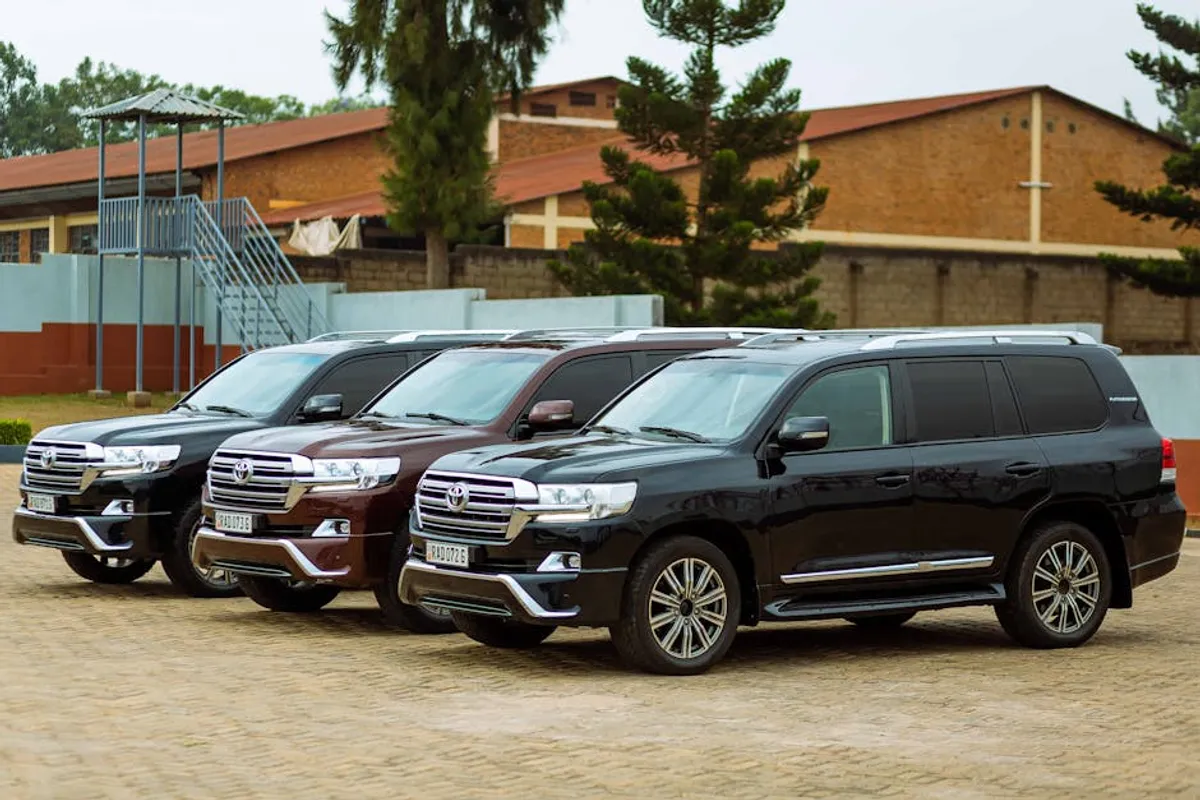
Acquiring a Toyota Land Cruiser represents an investment in durability and capability, a vehicle renowned for its longevity and off-road prowess. However, this reputation is not solely a product of engineering; it is meticulously maintained through consistent, informed care. For new owners, understanding the precise maintenance regimen is crucial for preserving the vehicle’s operational integrity, resale value, and the legendary reliability it’s known for. This guide outlines a practical maintenance checklist, focusing on key areas that demand attention from the moment of acquisition and throughout ownership.
Immediate Post-Purchase Inspections
Even a low-mileage or certified pre-owned Land Cruiser benefits from a thorough baseline inspection immediately after purchase. This establishes a clear starting point for future maintenance and identifies any latent issues that might have been overlooked. Focus on comprehensive fluid analysis, a detailed undercarriage check, and verifying the service history against the vehicle’s current condition.
- Full Fluid Flush and Replacement: Regardless of previous service records, consider a complete fluid overhaul. This includes engine oil, transmission fluid, differential fluids (front, rear, and center if applicable), transfer case fluid, power steering fluid, and brake fluid. Use manufacturer-specified fluids, as incorrect types can lead to accelerated wear or component failure. This ensures all lubricants are fresh and uncontaminated.
- Belt and Hose Inspection: Examine all serpentine and accessory belts for cracks, fraying, or excessive wear. Check coolant hoses and vacuum lines for hardening, softness, bulges, or leaks. These components are critical for engine cooling and accessory operation; failure can lead to overheating or loss of essential functions.
- Battery Load Test: A weak battery can cause intermittent electrical issues and leave you stranded. Perform a load test to assess its remaining capacity, especially if the vehicle sat for an extended period. Look for corrosion around terminals and ensure connections are tight.
- Air Filter Replacement: Replace the engine air filter and cabin air filter. A clean engine air filter ensures optimal combustion and fuel efficiency, while a clean cabin filter improves interior air quality and HVAC system performance.
- Wiper Blade Condition: Replace worn wiper blades for clear visibility in adverse weather. This is a small but critical safety item.
Essential Fluid Management
Regular monitoring and timely replacement of fluids are fundamental to the Land Cruiser's mechanical health. These fluids lubricate, cool, and transmit power, directly impacting component lifespan and performance.
Engine Oil: Adhere strictly to the manufacturer's recommended oil type and change intervals, typically every 5,000 to 10,000 miles or every six months, depending on driving conditions and oil type (conventional vs. synthetic). Regular checks of the dipstick for level and color can indicate early issues like oil consumption or contamination.
Transmission Fluid: For automatic transmissions, fluid changes are often recommended every 60,000 to 100,000 miles, but severe duty (towing, off-road, hot climates) may necessitate shorter intervals. Manual transmissions typically require fluid changes every 30,000 to 60,000 miles. Correct fluid type is paramount to prevent clutch pack wear or gear damage.
Differential and Transfer Case Fluids: These heavy-duty components operate under high stress, especially with off-road use. Change intervals generally range from 30,000 to 60,000 miles. Inspecting the drain plug magnets for excessive metal shavings during changes can provide early warning of internal wear.
Coolant: Maintain the correct coolant level and concentration (antifreeze/water mix) to prevent overheating and corrosion within the cooling system. Flush and replace coolant every 30,000 to 60,000 miles, or as specified by the manufacturer, using the correct long-life coolant type.
Pro Tip: Document every fluid change, noting the date, mileage, and specific fluid used. This creates a tangible service history that not only guides future maintenance but significantly enhances the vehicle's resale value by demonstrating diligent care.
Undercarriage and Suspension Health
The Land Cruiser's robust chassis and suspension are key to its capabilities. Regular inspection prevents minor issues from escalating into costly repairs.
Chassis and Frame Inspection: Look for rust, especially in areas where salt or moisture accumulates. Address surface rust promptly to prevent structural compromise. Check for bent components or signs of impact from off-road excursions.
Suspension Components: Inspect shock absorbers/struts for leaks or damage, and test for excessive bounce. Check control arm bushings, ball joints, and tie rod ends for play or cracking. Worn components compromise handling, ride quality, and tire wear.
Driveshaft and U-Joints: Inspect driveshafts for dents or damage. Check universal joints (U-joints) for play or signs of grease leakage. Lubricate greaseable U-joints at every oil change or as recommended.
Brake System Performance
Reliable braking is non-negotiable. Regular inspection of all brake components ensures safety and consistent stopping power.
Brake Pad and Rotor Wear: Visually inspect brake pads for adequate thickness and rotors for excessive wear, scoring, or warping. Replace pads before they reach minimum thickness and rotors if they are below specification or significantly warped. Uneven wear can indicate caliper issues.
Brake Fluid Condition: Brake fluid is hygroscopic, meaning it absorbs moisture over time, which reduces its boiling point and can lead to internal corrosion. Flush and replace brake fluid every two to three years, regardless of mileage.
Brake Lines and Hoses: Check all brake lines (metal and rubber) for corrosion, chafing, bulges, or leaks. Damaged lines can lead to sudden brake failure.
Electrical System Diagnostics
Modern vehicles rely heavily on complex electrical systems. Proactive checks can prevent unexpected failures.
Alternator Output: Ensure the alternator is charging the battery effectively, typically between 13.5 and 14.5 volts when the engine is running. Low output can lead to battery drain and system malfunctions.
Wiring Harness Integrity: Inspect visible wiring harnesses for chafing, rodent damage, or loose connections, especially in engine bay and undercarriage areas exposed to elements. Secure any loose wiring.
Sensor Functionality: While difficult to diagnose without specialized tools, be aware of dashboard warning lights (e.g., Check Engine, ABS, VSC). These indicate sensor or system malfunctions that require prompt attention.
Tire Longevity and Traction
Tires are the sole point of contact with the road, directly influencing safety, fuel economy, and ride comfort. Proper tire care maximizes their lifespan.
Tire Pressure: Check tire pressure weekly, including the spare. Maintain pressures at the manufacturer's recommended levels (found on a sticker inside the driver's door jamb or owner's manual) for optimal handling, wear, and fuel efficiency.
Tire Rotation: Rotate tires every 5,000 to 7,500 miles to promote even wear across all four tires, extending their overall lifespan. Follow the manufacturer's recommended rotation pattern.
Tread Depth and Condition: Inspect tread depth using a tire depth gauge or the built-in wear indicators. Look for uneven wear patterns (feathering, cupping, shoulder wear) which can indicate alignment issues, worn suspension components, or improper inflation. Check for cuts, bulges, or punctures.
Corrosion Prevention Strategies
Land Cruisers often operate in challenging environments, making rust prevention critical for long-term preservation.
Regular Washing: Frequently wash the undercarriage, especially after driving on salted roads or off-road, to remove corrosive materials. Pay attention to wheel wells, frame rails, and suspension components.
Undercoating and Rust Inhibitors: Consider professional undercoating or application of rust inhibitors, particularly if operating in rust-prone climates. These treatments create a barrier against moisture and salt.
Drain Hole Clearance: Ensure all body and frame drain holes are clear of debris to prevent water accumulation, which can accelerate rust formation from the inside out.
Maintaining Your Land Cruiser's Value
Beyond operational reliability, consistent maintenance directly impacts the Land Cruiser's market value. A well-documented service history signals a cared-for vehicle, justifying a premium price.
Service Records: Keep meticulous records of all maintenance and repairs, including dates, mileage, parts used, and the service provider. A binder with receipts or a digital log provides verifiable proof of care.
Interior and Exterior Care: Regular cleaning, waxing, and interior detailing protect finishes and prevent premature wear. Addressing minor dents, scratches, and upholstery tears promptly prevents larger deterioration.
Addressing Recalls and Technical Service Bulletins (TSBs): Stay informed about any manufacturer recalls or TSBs relevant to your model year. Addressing these ensures the vehicle meets safety standards and corrects known issues, preventing future problems.
Common Questions About Land Cruiser Maintenance
What are the most critical maintenance items for a new Land Cruiser owner?
Immediately focus on a full fluid inspection and replacement, a comprehensive undercarriage check for rust or damage, and verifying the condition of belts, hoses, and the battery. This establishes a reliable baseline.
How often should I service my Land Cruiser if I use it for off-roading or towing?
Severe duty conditions, such as frequent off-roading, towing, or driving in dusty/hot environments, necessitate more frequent fluid changes (engine oil, transmission, differentials) and inspections of suspension components, brakes, and air filters. Consult your owner's manual for specific severe-duty intervals, which are typically half the standard recommendations.
Can I perform some maintenance tasks myself, or should I always go to a mechanic?
Basic checks like fluid levels, tire pressure, and visual inspections of belts and hoses are easily performed by owners. However, tasks requiring specialized tools, diagnostic equipment, or involving critical safety systems (e.g., brakes, complex electrical repairs) are best left to qualified mechanics to ensure proper execution and safety.
What are common issues to watch for in older Land Cruiser models?
Older models may exhibit common wear points such as rust on the frame and body, worn suspension components (bushings, shocks), oil leaks from seals and gaskets, and potential issues with the cooling system (radiator, water pump). Regular inspection and proactive replacement of these items can prevent larger failures.