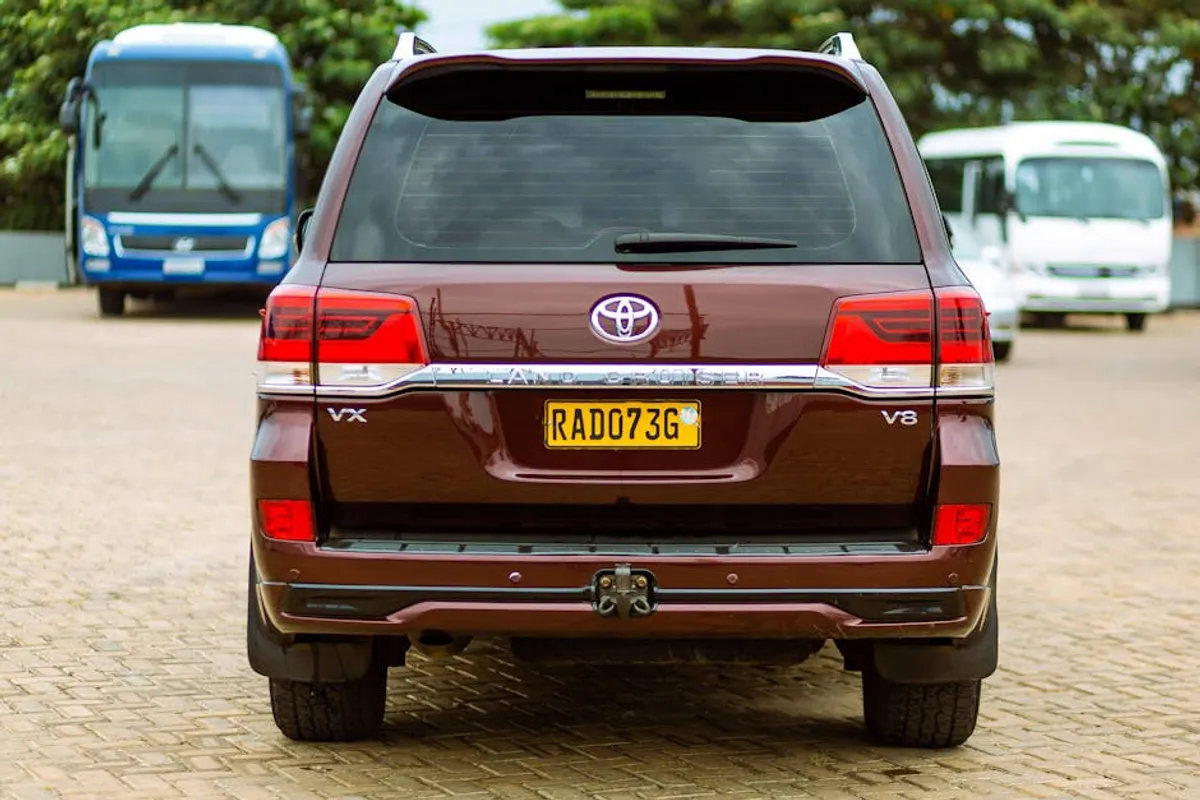
The Toyota Land Cruiser has cultivated a reputation for durability and off-road capability over decades, making it a sought-after vehicle in both new and used markets. For prospective buyers, understanding the nuances of different generations, common maintenance considerations, and specific inspection points is crucial for a sound investment. This guide provides a framework for evaluating a Land Cruiser purchase, focusing on practical considerations that impact ownership experience and long-term value.
Key Considerations Before Purchase
Before committing to a Land Cruiser, clarify your primary use case and budget. These two factors will heavily influence which generation or specific model variant aligns best with your needs and financial capacity.
Model Year Differences and Evolution
Land Cruisers have undergone significant transformations, each series offering distinct characteristics. Researching these differences is paramount:
- 80 Series (1990-1997): Known for solid axles front and rear, robust inline-six engines (3F-E, 1FZ-FE), and a more utilitarian, off-road focused design. These are often targeted by enthusiasts for overland builds due to their mechanical simplicity and strength. Common issues include head gasket failures on earlier 3F-E engines and frame rust, particularly in salt-prone regions.
- 100 Series (1998-2007): Introduced independent front suspension (IFS) for improved on-road comfort, paired with the 2UZ-FE V8 engine. While still highly capable off-road, it marked a shift towards luxury. Look for potential Automatic Height Control (AHC) system issues if equipped, and valley plate coolant leaks on the V8. Timing belt service is critical every 90,000 miles.
- 200 Series (2008-2021): Further refined the luxury aspect with more advanced electronics and a larger 5.7L 3UR-FE V8 engine. This generation offers a blend of capability and modern amenities. Common concerns can include secondary air injection pump failures and brake accumulator issues, though overall reliability remains high.
- 300 Series (2022-Present): The newest iteration, primarily available outside North America (excluding Lexus LX). Features a twin-turbo V6 engine and a new platform. These are less common in the used market currently but represent the latest in Toyota's engineering for the platform.
Intended Use and Capability Matching
Your primary application dictates the most suitable Land Cruiser. An 80 Series might be overkill for suburban errands but ideal for remote expedition travel. A 200 Series offers a comfortable family hauler with substantial towing and off-road potential. Evaluate:
Best for:
- Dedicated Off-Roading/Overlanding: 80 Series, due to solid axles and aftermarket support.
- Balanced On/Off-Road Performance: 100 Series, offering a good compromise.
- Luxury and Modern Amenities with Capability: 200 Series, for its refined ride and advanced features.
- Towing Heavy Loads: 200 Series, with its powerful V8 and robust chassis.
Budget Allocation Beyond Purchase Price
The initial purchase price is only one component. Factor in:
Maintenance Costs: Land Cruisers are reliable, but parts can be more expensive than for common sedans. Regular fluid changes, timing belt replacements (on 100 Series), and suspension component wear add up.
Fuel Economy: V8 models, especially the 200 Series, are known for lower fuel efficiency. Budget for premium fuel if required by the manufacturer.
Modifications: If you plan to lift, add armor, or install larger tires, factor in the cost of parts and professional installation. These modifications also affect insurance premiums and fuel economy.
Inspecting a Used Land Cruiser
A thorough pre-purchase inspection is non-negotiable, especially for older models or those with high mileage. Consider hiring a specialized mechanic familiar with Land Cruisers.
Mechanical Checkpoints
Focus on the core mechanical systems:
- Engine: Listen for unusual noises (knocks, ticks, excessive valvetrain noise). Check for oil leaks around valve covers, oil pan, and the valley plate (100/200 Series V8). Verify service records for timing belt/water pump on 100 Series.
- Transmission: Ensure smooth shifts without hesitation or harshness. Check fluid condition – it should be red, not brown or burnt-smelling. Test 4WD engagement in both high and low range.
- Suspension: Inspect shocks, springs, and bushings for wear or leaks. If equipped with AHC, check for proper operation, level ride height, and any error lights.
- Brakes: Look for even pad wear, rotor condition, and fluid leaks. Test the parking brake.
- Drivetrain: Check differentials and transfer case for leaks. Listen for clunks or grinding during turns or acceleration, which could indicate worn U-joints or differential issues.
Rust and Frame Integrity
Rust is a significant concern, particularly on older models from regions with harsh winters. Inspect the frame thoroughly, especially around suspension mounting points, crossmembers, and body mounts. Surface rust is often manageable, but perforating rust indicates a more serious structural issue. Check inner fenders, rocker panels, and tailgate for corrosion.
Interior and Electrical Systems
Test all electrical components: windows, locks, sunroof, climate control, radio, and all dashboard warning lights. Ensure all gauges function correctly. Check for signs of water intrusion, such as damp carpets or mildew smell, which could indicate sunroof drain issues or body seal failures.
Pro Tip: Always request comprehensive service records. A Land Cruiser with a documented maintenance history, even if high mileage, is generally a safer bet than a lower-mileage vehicle with unknown service history. Pay particular attention to fluid changes, timing belt replacements (where applicable), and any major component repairs.
Common Issues and What to Look For
While Land Cruisers are renowned for reliability, specific generations have known weak points:
- 80 Series: Head gasket failure (early 3F-E), steering box leaks, power antenna motor failure, and dashboard cracking.
- 100 Series: Valley plate coolant leaks (2UZ-FE V8), AHC system failures (if equipped), secondary air injection system issues (later models), and exhaust manifold cracks.
- 200 Series: Secondary air injection pump failures, brake accumulator issues, and occasional body control module (BCM) glitches.
These are not universal failures but rather common points of attention during an inspection. Many have documented fixes and aftermarket solutions.
Making an Informed Decision
Purchasing a Toyota Land Cruiser involves balancing its legendary reputation with the realities of owning a complex vehicle. Prioritize a thorough pre-purchase inspection by a specialist. Understand the specific quirks and maintenance requirements of the generation you are considering. A well-maintained Land Cruiser can provide decades of reliable service, but neglecting due diligence can lead to unexpected costs.
Frequently Asked Questions
What is the best Land Cruiser generation for off-roading?
The 80 Series (1990-1997) is often considered the best for serious off-roading due to its robust solid axles and simpler, more mechanically focused design, offering excellent articulation and durability.
Are Land Cruisers expensive to maintain?
While Land Cruisers are generally reliable, maintenance costs can be higher than average due to specialized parts and the complexity of some systems, especially on newer, more luxurious generations. Regular, preventative maintenance is key to long-term affordability.
What mileage is too high for a used Land Cruiser?
There isn't a definitive "too high" mileage for a Land Cruiser, as their engines and drivetrains are designed for longevity. A well-maintained example with 200,000+ miles can still be a solid purchase, provided it has verifiable service records and passes a comprehensive pre-purchase inspection.