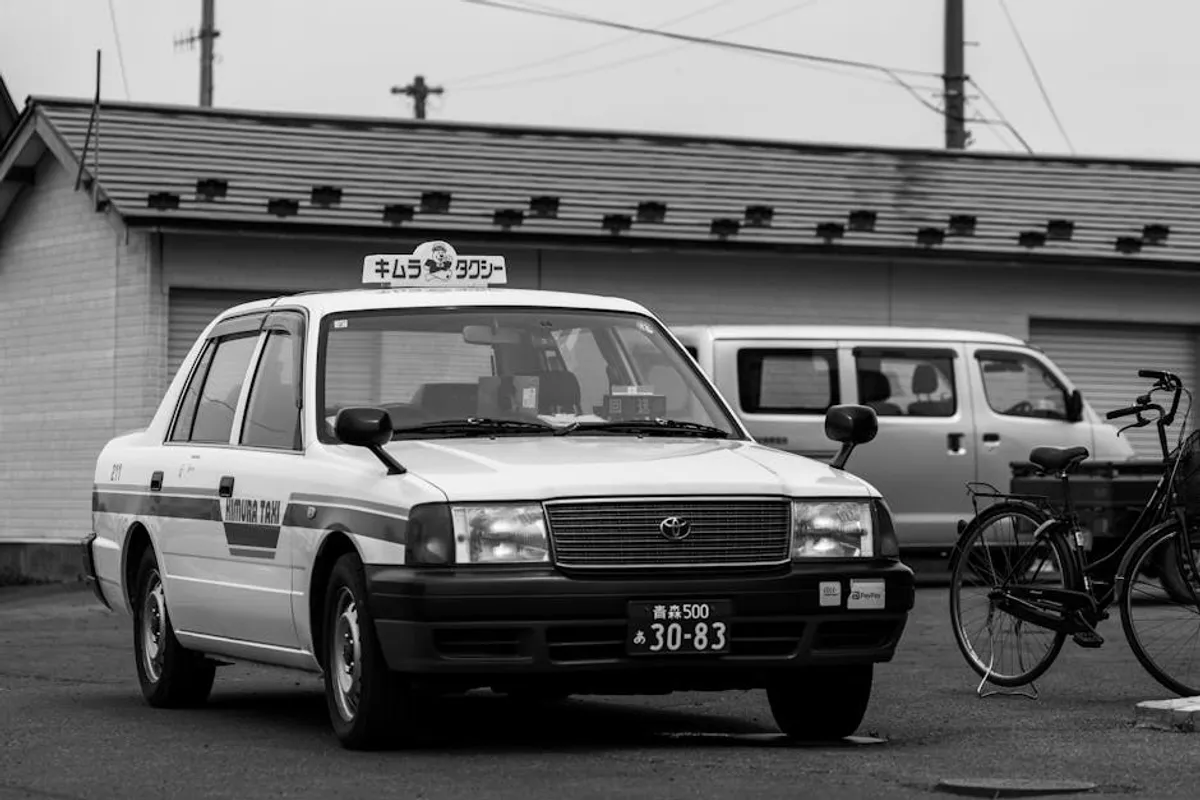
The Toyota Chaser, particularly models from the X90 and X100 generations, remains a sought-after vehicle for its blend of performance, comfort, and distinctive styling. For prospective owners, understanding the nuances of its long-term reliability and common issues is critical for a commercially sound purchase and sustainable ownership. These vehicles are now decades old, meaning their condition is heavily influenced by past maintenance, driving habits, and modification history. This guide details the typical reliability profile of the Chaser, outlining prevalent problems and providing actionable tips for owners to maintain their investment.
Common Reliability Concerns Across Chaser Generations
While Toyota's reputation for engineering longevity often holds true, the Chaser, especially with its performance-oriented engines like the 1JZ-GTE and 2JZ-GE, presents specific considerations due to age and potential for hard use. Reliability is largely contingent on diligent maintenance and a thorough pre-purchase inspection.
Engine-Specific Issues
The engine is the heart of the Chaser, and each variant has its known quirks:
- 1JZ-GTE (2.5L Turbo):
- VVT-i Actuator Failure: Common on later X100 models, leading to rattling noises, rough idle, and reduced power. Replacement is the standard fix.
- Oil Leaks: Valve cover gaskets, cam seals, and the rear main seal are common culprits due to age and heat cycling. Address these promptly to prevent further damage.
- Turbocharger Wear: Original ceramic-wheeled turbos can fail, particularly if oil changes were neglected or boost was increased without proper tuning. Inspect for shaft play and oil residue in the intercooler piping.
- Ignition Coil Packs: Deterioration leads to misfires, especially under load. Upgraded aftermarket coil packs are a common solution.
- 2JZ-GE (3.0L Naturally Aspirated):
- Oil Pump Seal Leak: A known issue that can lead to significant oil loss if not caught early.
- Crank Position Sensor Failure: Can cause intermittent starting problems or stalling.
- Water Pump Leaks: Age-related wear often necessitates replacement.
- 1G-FE (2.0L Naturally Aspirated):
- Generally robust, but can suffer from similar age-related oil leaks and cooling system component wear as the larger engines. Less prone to high-stress failures due to lower power output.
Transmission Concerns
Both automatic and manual transmissions in the Chaser are generally durable, but require attention:
- Automatic Transmissions (A340E/A650E):
- Slipping or Hard Shifts: Often indicative of neglected fluid changes or solenoid issues. A full fluid flush and filter replacement can sometimes resolve minor issues, but significant slipping may require a rebuild or replacement.
- Overheating: Aggressive driving or heavy modifications without adequate transmission cooling can reduce lifespan.
- Manual Transmissions (R154):
- Synchro Wear: Particularly in 2nd and 3rd gears, leading to grinding during shifts. Rebuilds are common for higher mileage or heavily used units.
- Clutch Wear: Standard consumable, but aggressive driving or high-power modifications will accelerate wear.
Suspension and Steering Components
Given the age and potential for spirited driving, suspension and steering components are common wear items:
- Bushings and Ball Joints: Rubber components degrade over time, leading to clunks, squeaks, and loose handling. Polyurethane replacements are popular for improved feel and longevity.
- Power Steering Leaks: Hoses and the power steering pump itself can develop leaks. Check fluid levels regularly and inspect lines for cracks.
- Shock Absorbers: Original shocks will likely be worn, affecting ride comfort and handling. Many owners opt for aftermarket coilover suspension.
Electrical System
While generally reliable, aging electrical components can cause minor annoyances:
- Window Regulators: Motors and mechanisms can fail, particularly on frequently used windows.
- Dashboard Lights/Gauges: Bulbs burn out, and occasionally, gauge clusters can develop intermittent faults.
- Wiring Harnesses: Brittle wiring, especially in the engine bay, can lead to sensor issues or intermittent electrical problems.
Body and Chassis
Rust is a primary concern, particularly for vehicles imported from colder climates or those exposed to road salt. Thoroughly inspect:
- Wheel arches, sills, and undercarriage.
- Strut towers and subframe mounting points.
- Seals around windows and doors for signs of water ingress.
Owner Tips for Maintenance and Longevity
Pro Tip: Always prioritize a comprehensive pre-purchase inspection by a specialist familiar with JDM vehicles, especially the Chaser. Neglecting this step can lead to significant unexpected costs. Verify service records and inspect for evidence of major accidents or poor modifications.
Regular and Proactive Servicing
Adhering to a strict maintenance schedule is paramount. This includes:
- Fluid Changes: Engine oil (every 5,000 km or 3,000 miles for turbo models), transmission fluid (every 60,000 km or 37,000 miles, or more frequently for modified cars), differential fluid, brake fluid, and coolant.
- Timing Belt Replacement: For engines that use a timing belt (e.g., 1JZ-GTE, 2JZ-GE), ensure it's replaced at recommended intervals (typically 100,000 km or 60,000 miles) along with the water pump and tensioners.
- Spark Plugs and Filters: Regular replacement of air filters, fuel filters, and spark plugs ensures optimal engine performance and efficiency.
Understanding Parts Availability
While many common service items are still available through Toyota or reputable aftermarket suppliers, some specific trim or body components can be challenging to source. Researching parts availability before committing to a purchase can save future headaches.
Best for: Owners who are willing to source parts from Japan or utilize a network of specialist JDM parts suppliers.
Impact of Modifications
Many Chasers have been modified for performance. While some modifications are beneficial, poorly executed or excessive modifications can severely compromise reliability. Exercise caution with:
- Aggressive Engine Tunes: Can stress internal components beyond their design limits.
- Non-OEM Turbochargers: May require additional cooling or fueling system upgrades to maintain reliability.
- Cut or Welded Suspension Components: Indicates potential structural compromises.
Sustaining Your Toyota Chaser Investment
Owning a Toyota Chaser can be a rewarding experience, offering a unique blend of driving dynamics and classic JDM appeal. However, these are not new cars, and their reliability is a direct reflection of their maintenance history and the care they receive. Proactive maintenance, a thorough understanding of common issues, and a commitment to using quality parts are essential for mitigating potential problems and ensuring the longevity of your vehicle. Approach a Chaser purchase with an informed perspective, and it will likely serve you well for years to come.
Frequently Asked Questions
Are Toyota Chasers expensive to maintain?
Maintenance costs for a Toyota Chaser can be higher than average due to its age, the need for specialized JDM parts, and potential requirements for expert knowledge, especially for turbocharged models. Routine servicing is manageable, but unexpected repairs can be costly.
What is the typical lifespan of a Toyota Chaser engine?
With diligent maintenance, 1JZ-GTE and 2JZ-GE engines are known to be very robust, often exceeding 200,000-300,000 kilometers (120,000-180,000 miles) without major rebuilds. Neglect or aggressive modifications significantly reduce this lifespan.
Is the Toyota Chaser a good daily driver?
The Toyota Chaser can function as a reliable daily driver, particularly naturally aspirated models, offering comfort and decent fuel economy for its class. However, its age means owners must be prepared for regular maintenance and potential repairs that newer vehicles typically do not require.