The decision between a Toyota 4Runner and a Porsche 911 is not a typical cross-shopping dilemma. These vehicles represent fundamentally different automotive philosophies, designed for distinct purposes and catering to vastly divergent buyer priorities. One prioritizes rugged utility, off-road capability, and long-term reliability; the other, precision engineering, high-performance driving, and luxury sports car exhilaration. Understanding the core intent behind each model is crucial for any prospective buyer, as their strengths and weaknesses are almost perfectly inverse.
Defining Automotive Purpose
Before evaluating specific features, consider the primary role a vehicle plays in your daily life and leisure. The 4Runner is engineered for resilience and exploration, while the 911 is crafted for dynamic driving and performance. Your choice will reflect whether your driving demands practical capability or engaging dynamics.
Toyota 4Runner: Built for Utility and Durability
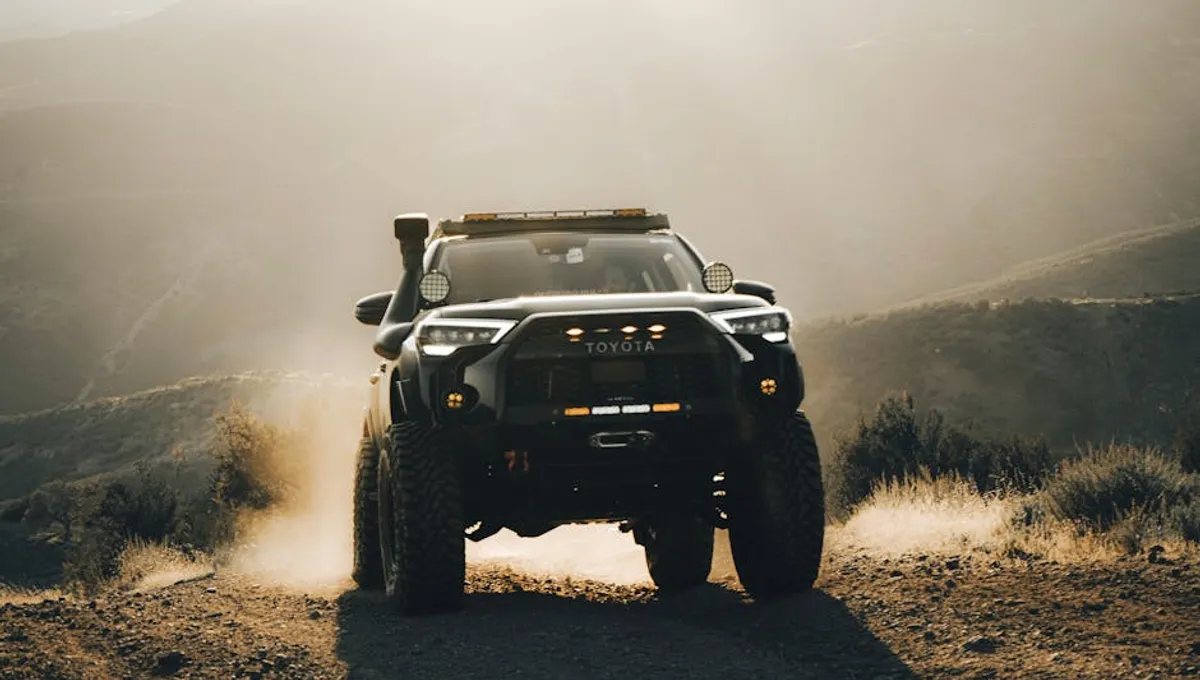
The Toyota 4Runner maintains a body-on-frame construction, a design choice increasingly rare in modern SUVs, which underscores its focus on durability and off-road prowess. This architecture provides a robust platform for demanding conditions, from towing to navigating unpaved trails. Its powertrain, typically a 4.0L V6 engine paired with a 5-speed automatic transmission, delivers consistent, albeit not exhilarating, power delivery suitable for its intended utility.
- Off-Road Capability: Features like available four-wheel drive with a low-range transfer case, locking rear differential, Multi-Terrain Select, and Crawl Control equip the 4Runner for challenging terrain. Its ground clearance and approach/departure angles are designed for obstacle traversal, not pavement performance.
- Cargo and Passenger Space: The interior offers substantial cargo volume, particularly with the rear seats folded, and seating for up to seven in some configurations, making it practical for families or gear-heavy adventures.
- Reliability and Resale Value: Toyota's reputation for reliability is a significant factor, contributing to the 4Runner's consistently strong resale values. This translates to lower depreciation over time compared to many competitors.
Porsche 911: Engineered for Performance and Precision
The Porsche 911, by contrast, is a rear-engine, rear-wheel-drive (or all-wheel-drive) sports car synonymous with driving engagement. Its engineering prioritizes power-to-weight ratio, aerodynamic efficiency, and chassis dynamics to deliver an exceptional on-road driving experience. Engine options vary widely across its numerous trims, from turbocharged flat-six engines producing 379 horsepower in the Carrera to over 600 horsepower in GT variants, all paired with rapid-shifting PDK transmissions or engaging manuals.
Pro Tip: When evaluating a high-performance vehicle like the Porsche 911, factor in not just the purchase price, but also the specialized maintenance, premium fuel requirements, and higher insurance costs. These ongoing expenses can significantly impact the total cost of ownership and are often overlooked in initial budget considerations.
Driving Dynamics: The 911's steering feedback, brake performance, and suspension tuning are optimized for spirited driving. Its low center of gravity and sophisticated electronic aids contribute to its handling prowess, whether on a winding road or a track.
Luxury and Craftsmanship: The interior of a 911 blends performance-oriented ergonomics with premium materials and meticulous craftsmanship. While focused on the driver, it offers a refined cabin experience.
Exclusivity and Brand Prestige: Owning a 911 often signifies an appreciation for automotive engineering heritage and a desire for a distinctive driving experience. Its market position is defined by performance and luxury.
Comparing Core Differentiators
Performance and Driving Experience
The 4Runner provides a commanding, truck-like driving position with a focus on stable cruising and robust off-road capability. Its acceleration is adequate for highway merging, but body roll is noticeable in corners due to its high ground clearance and soft suspension tuning. The driving experience is characterized by a sense of ruggedness and mechanical simplicity.
The 911 delivers an immediate, visceral driving experience. Its acceleration is forceful, braking is exceptionally strong, and steering is precise, communicating road texture directly to the driver. The car feels planted and agile, encouraging enthusiastic driving. The difference in driving feel is akin to comparing a utility tool to a precision instrument.
Utility and Practicality
For daily practicality, the 4Runner excels in situations requiring cargo capacity, passenger versatility, or towing. Its ability to navigate adverse weather conditions or unmaintained roads makes it a primary vehicle for many households. Fuel economy, however, is modest for a modern SUV, typically ranging in the high teens for combined MPG.
The 911 offers limited utility. Its rear seats are best suited for small children or additional luggage, and cargo space is confined to a front trunk (frunk) and a small area behind the rear seats. Its low ground clearance and performance tires are not ideal for snow or rough terrain, making it a specialized vehicle, often a second or third car for enthusiasts.
Ownership Costs and Resale Value
The 4Runner's ownership costs are generally predictable. Maintenance is straightforward, parts are widely available, and its reputation for longevity means fewer unexpected repairs. Its strong resale value mitigates the total cost of ownership over time. Insurance costs are typically moderate for an SUV.
The 911 has a higher cost of entry and generally higher ownership costs. Maintenance, especially for specialized components or performance upgrades, can be expensive. While certain 911 models hold their value exceptionally well, particularly limited editions or GT variants, depreciation on standard models can still be significant. Insurance premiums are also substantially higher due to its performance capabilities and higher replacement cost.
Making Your Purchase Decision
The choice between a Toyota 4Runner and a Porsche 911 hinges entirely on your priorities and intended use. There is no objectively "better" vehicle; only the one that aligns more closely with your specific needs.
Best for:
- Toyota 4Runner: Individuals or families requiring a durable, versatile vehicle for off-road adventures, towing, hauling cargo, or navigating challenging weather and road conditions. Buyers prioritizing long-term reliability and strong resale value over outright performance.
- Porsche 911: Driving enthusiasts seeking a high-performance sports car for spirited driving, track days, or as a luxury statement. Buyers prioritizing acceleration, handling, and a premium, engaging driving experience, often as a secondary vehicle.
Consider your daily commute, weekend activities, family needs, and long-term financial planning. If your lifestyle demands rugged capability and practicality, the 4Runner is the clear choice. If your passion lies in the art of driving and you seek a vehicle that delivers exhilarating performance and precision, the 911 is unmatched in its segment. For those leaning towards the Toyota, understanding the recent updates to the 4Runner could be very beneficial.
Frequently Asked Questions
Is the Toyota 4Runner a comfortable daily driver?
The 4Runner offers a comfortable, albeit truck-like, ride suitable for daily commuting, especially for those who appreciate a higher driving position and robust feel. Its ride quality is generally smooth over rough pavement, though it does not offer the refined suspension dynamics of car-based SUVs.
Can a Porsche 911 be used as a daily driver?
While many owners do use their 911s daily, its suitability depends on individual tolerance for its firm ride, limited cargo space, and potential exposure to road hazards. It excels as a daily driver in terms of performance and driver engagement, but demands compromises in practicality compared to a more conventional vehicle.
Which vehicle has better fuel economy?
The Toyota 4Runner typically achieves combined fuel economy in the high teens (e.g., 16-19 MPG). Porsche 911 models, despite their performance, often achieve better fuel economy than the 4Runner, with combined ratings frequently in the low to mid-20s MPG, due to more advanced engine technology and aerodynamic design, though this can vary significantly by model and driving style.
What are the primary safety differences?
Both vehicles incorporate modern safety features. The 4Runner offers a robust structure and often includes Toyota Safety Sense P (TSS-P) with features like pre-collision system, lane departure alert, and adaptive cruise control. The 911, as a performance vehicle, prioritizes active safety through superior handling and braking, alongside advanced airbag systems and driver assistance features like adaptive cruise control and lane keep assist, depending on the trim and options.