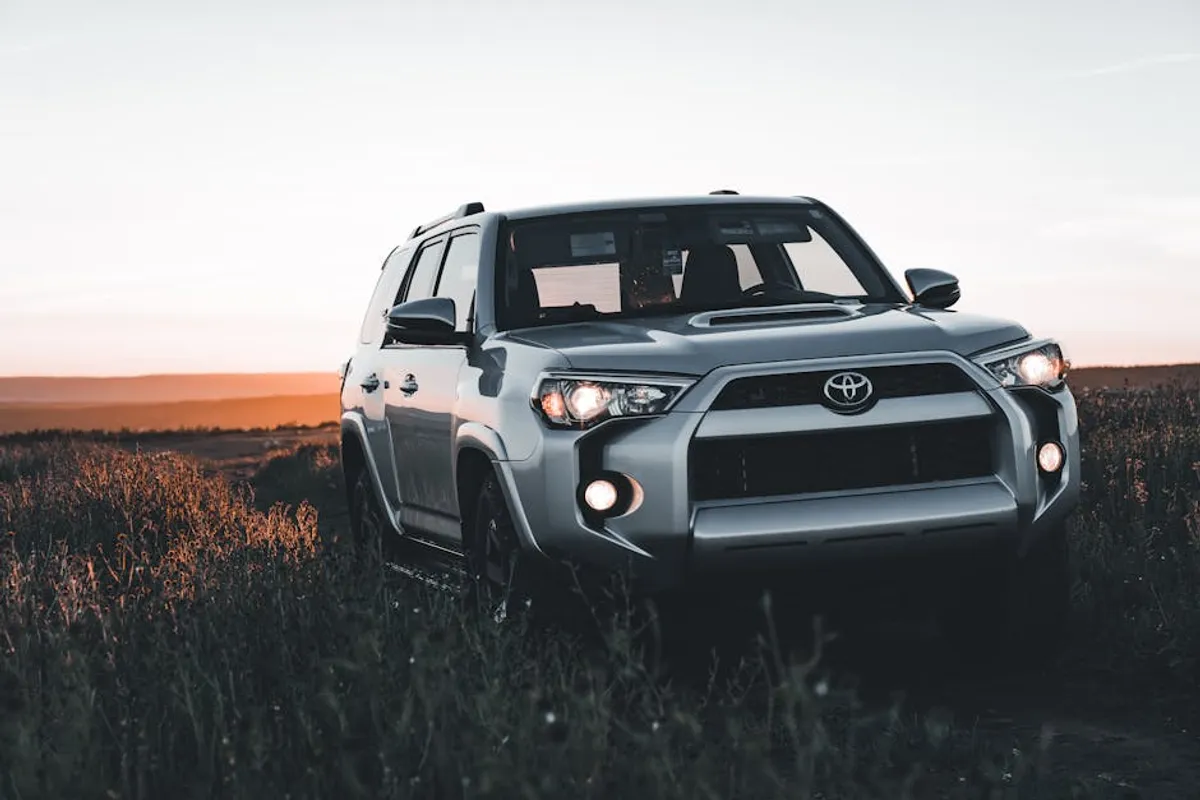
The decision between a Toyota 4Runner and a dedicated off-road truck presents a fundamental choice for buyers prioritizing trail capability and utility. Both vehicle types offer robust body-on-frame construction and advanced four-wheel-drive systems, essential for navigating challenging terrain. However, their distinct architectures—the 4Runner as a fully enclosed SUV versus the truck with its separate cab and open cargo bed—dictate significant differences in cargo management, passenger comfort, and overall utility. Understanding these core distinctions is crucial for aligning a vehicle choice with specific use cases, whether that involves family adventures, hauling gear for work or recreation, or tackling extreme off-road trails. Understanding these core distinctions is crucial for aligning a vehicle choice, especially when considering the next generation 4Runner.
Toyota 4Runner: Enclosed Capability and Proven Reliability
The Toyota 4Runner has maintained its market position as a durable, body-on-frame SUV with a reputation for reliability and strong resale value. Its design prioritizes an enclosed cabin, offering secure storage for gear and a more integrated passenger experience compared to most trucks. The 4Runner's relatively compact wheelbase and solid rear axle contribute to its maneuverability on tighter trails and articulation over obstacles.
- Cargo Management: The enclosed rear cargo area provides weather-protected and secure storage for luggage, camping gear, or groceries. This configuration is particularly beneficial for overlanding, where gear needs to remain dry and protected from dust or theft.
- Passenger Comfort: With a fully integrated cabin, the 4Runner typically offers a more comfortable rear passenger experience, often including reclining seats and dedicated climate control, making it suitable for longer trips with multiple occupants.
- Trail Performance: Equipped with a part-time 4WD system, and available full-time 4WD on some trims, the 4Runner features a low-range transfer case, crawl control, and a locking rear differential (on TRD Off-Road and TRD Pro models). Its approach and departure angles are generally favorable for traversing varied terrain.
- Daily Driving: While not a luxury SUV, the 4Runner’s coil-spring suspension provides a more composed ride on paved roads compared to some leaf-sprung trucks, enhancing its viability as a daily driver.
Best for: Overlanding, family adventures, secure and weather-protected gear transport, buyers prioritizing a balanced on-road/off-road experience.
Off-Road Trucks: Open Utility and Specialized Hauling
Off-road trucks, exemplified by models like the Toyota Tacoma TRD Pro, Ford Ranger Tremor, or Jeep Gladiator Rubicon, are designed around the utility of an open cargo bed and often higher payload and towing capacities. This configuration makes them indispensable for tasks involving dirty, bulky, or oversized items that would be impractical to carry inside an SUV. Modern off-road trucks also incorporate advanced trail-specific technologies and robust powertrains. Modern off-road trucks also incorporate advanced trail-specific technologies and robust powertrains, making them a compelling choice over other truck options.
- Cargo Management: The open bed provides unparalleled flexibility for hauling ATVs, dirt bikes, construction materials, or muddy recovery gear. While requiring aftermarket covers for weather protection and security, the sheer volume and accessibility of a truck bed are unmatched by an SUV.
- Payload and Towing: Trucks inherently offer higher payload capacities due to their design, allowing them to carry more weight in the bed. Their robust frames and powerful engine options (including diesel in some models) also translate to superior towing capabilities, essential for trailers, boats, or campers.
- Customization Potential: The truck platform often lends itself to more extensive modifications, from specialized bed racks and campers to heavy-duty suspension upgrades designed for extreme loads or desert running.
- Powertrain Diversity: Many off-road trucks offer a wider array of engine choices, including more powerful V6 or V8 options, and sometimes diesel engines, providing greater torque for towing and off-road crawling.
Best for: Hauling large or dirty equipment, towing heavy loads, dedicated work vehicles, buyers prioritizing maximum utility and extreme off-road modifications.
Key Differentiators in Detail
Cargo and Utility
The primary distinction lies in cargo configuration. The 4Runner’s enclosed space ensures items are protected from elements and theft without additional accessories, making it convenient for daily use and travel. However, its interior volume is finite, and dirty items require careful containment. Off-road trucks, with their open beds, offer superior volume and flexibility for items like lumber, motorcycles, or muddy recovery equipment. This comes at the cost of inherent security and weather protection, often necessitating tonneau covers or bed caps.
Passenger Comfort and Space
For rear passengers, the 4Runner generally provides a more comfortable experience due to its integrated cabin, often featuring better sound insulation, dedicated climate vents, and a more car-like seating position. Truck rear seats, particularly in smaller crew cab configurations, can be more upright and offer less legroom, especially on longer journeys. The 4Runner also benefits from a lower load floor for easier entry and exit for passengers and pets.
Off-Road Capability
Both vehicle types excel off-road, but with nuances. The 4Runner’s shorter wheelbase can be an advantage on tight, twisty trails, improving breakover angles and reducing the chance of high-centering. Its solid rear axle provides robust articulation. Off-road trucks often feature longer wheelbases for stability at speed and during towing, which can sometimes hinder maneuverability on very technical, tight trails. However, trucks frequently offer more advanced off-road technology, such as front and rear locking differentials, electronic sway bar disconnects, and more sophisticated terrain management systems, depending on the trim.
Pro Tip: Before committing, honestly assess the most challenging terrain you expect to encounter. A vehicle with a shorter wheelbase and tighter turning radius, like the 4Runner, may excel in dense forest trails, while a truck’s longer wheelbase can provide stability for high-speed desert running or crossing deeper ruts.
Daily Driving and On-Road Manners
On pavement, the 4Runner typically delivers a more refined ride quality, often attributed to its coil-sprung rear suspension. Its SUV form factor also makes it easier to park and navigate urban environments. Trucks, especially those equipped with heavy-duty off-road suspension components, can exhibit a firmer, bouncier ride when unladen due to their leaf-spring rear suspensions designed for payload. Their longer dimensions also require more consideration in parking and tight turns.
Customization and Aftermarket
Both platforms boast extensive aftermarket support, but the nature of modifications differs. 4Runner owners often focus on suspension lifts, larger tires, roof racks for overlanding, and interior storage solutions. Truck owners frequently modify for increased payload, add bed racks, specialized bumpers with winches, and often pursue more extreme suspension and drivetrain upgrades for rock crawling or desert racing. The open bed of a truck also provides a blank canvas for custom utility builds.
Making Your Decision
The optimal choice between a Toyota 4Runner and an off-road truck hinges on your primary use cases and priorities. If secure, weather-protected cargo, a more comfortable passenger experience for multiple occupants, and a slightly more refined daily driving experience are paramount, the 4Runner is a compelling option. Its proven reliability and strong resale value further solidify its position as a versatile adventure vehicle.
Conversely, if your activities frequently involve hauling bulky, dirty, or heavy items, require significant towing capacity, or if you plan extensive, specialized off-road modifications, an off-road truck will likely serve your needs more effectively. The truck’s open bed offers unmatched utility for work or serious recreation, albeit with trade-offs in passenger comfort and cargo security without additional accessories. Consider your typical weekend activities, daily commute, and long-term utility requirements to guide your selection.
Frequently Asked Questions
Is the Toyota 4Runner suitable for daily commuting?
Yes, the 4Runner is widely used as a daily commuter. Its enclosed cabin provides car-like comfort, and while its fuel economy is not class-leading, its reliability and robust build make it a practical choice for regular driving, especially for those who also need off-road capability.
Can off-road trucks be comfortable for long road trips?
Modern off-road trucks, particularly in higher trims, have significantly improved interior comfort and amenities. While some may exhibit a firmer ride when unladen due to their heavy-duty suspension, many offer comfortable seating, advanced infotainment, and quiet cabins, making them suitable for long trips, especially crew cab models.
What is the main advantage of an open truck bed over an SUV’s cargo area?
The main advantage of an open truck bed is its versatility for hauling oversized, dirty, or heavy items that would not fit or be appropriate for an enclosed SUV cargo area. This includes construction materials, ATVs, dirt bikes, firewood, or muddy recovery gear, without concerns about soiling the interior.
Which vehicle type is generally better for extreme rock crawling?
For extreme rock crawling, dedicated off-road trucks often have an edge due to their typically longer wheelbases (providing stability on steep climbs), stronger axles, and often more advanced factory off-road features like front and rear locking differentials and electronic sway bar disconnects. However, the 4Runner's shorter wheelbase can be advantageous on very tight, technical trails.