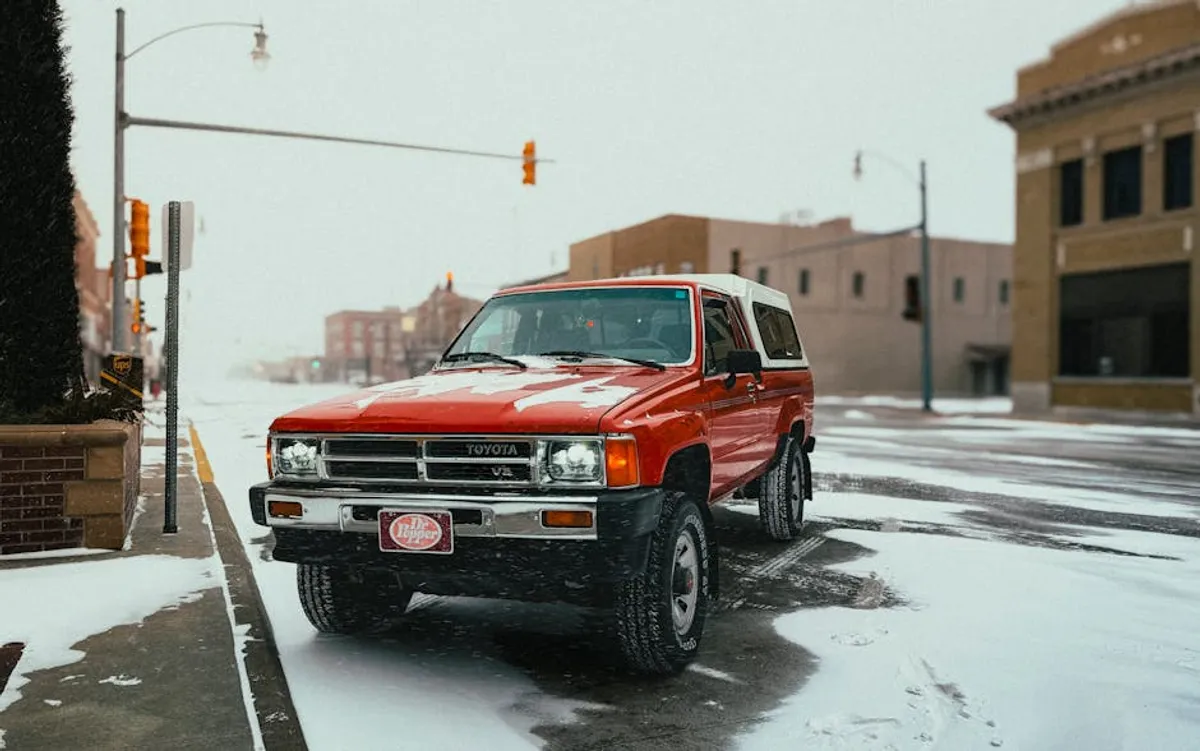
The Toyota 4Runner has cultivated a reputation for exceptional durability and off-road capability, making it a highly sought-after vehicle in the used market and a reliable choice for new buyers. This perception of bulletproof reliability, while largely accurate, does not mean the 4Runner is entirely immune to wear, age, or specific manufacturing quirks. Prospective owners and current custodians must understand the vehicle's common issues to make informed purchase decisions, allocate appropriate maintenance budgets, and implement proactive care strategies that extend its already impressive lifespan. Recognizing these potential weak points allows for targeted inspections and preventative measures, transforming a generalized expectation of reliability into a concrete plan for sustained performance.
Understanding 4Runner's Enduring Durability
The 4Runner's robust construction stems from its body-on-frame architecture, a design shared with heavy-duty trucks, which contributes significantly to its off-road prowess and long-term structural integrity. Generations like the 3rd (1996-2002), 4th (2003-2009), and 5th (2010-present) are particularly lauded for their powertrain resilience, often exceeding 200,000 or even 300,000 miles with consistent maintenance. The V6 engines, notably the 3.4L 5VZ-FE in the 3rd Gen and the 4.0L 1GR-FE in the 4th and 5th Gens, are known for their strong bottom ends and relatively simple designs, minimizing complex failure points. Similarly, the automatic transmissions are generally robust, provided fluid changes are performed at recommended intervals.
This inherent toughness, however, doesn't negate the impact of environmental factors or the natural degradation of components over time. Owners in regions with harsh winters or coastal environments, for example, will face different challenges than those in arid climates. The key to maximizing 4Runner longevity lies in acknowledging these specific vulnerabilities and addressing them preemptively, rather than solely relying on its general reputation for toughness.
Specific Common Problems Across Generations
While the 4Runner is reliable, several issues appear with enough frequency to warrant attention from owners and potential buyers:
Frame Rust
This is arguably the most significant long-term concern, particularly for 3rd and 4th generation models, and to a lesser extent, early 5th Gens, especially those exposed to road salt or coastal conditions. Rust can compromise the structural integrity of the frame rails, crossmembers, and suspension mounting points. Advanced perforation can lead to safety issues and render the vehicle uneconomical to repair. A thorough pre-purchase inspection of the entire undercarriage is non-negotiable for used models.
X-REAS Suspension Leaks
The X-REAS (X-Relative Absorber System) suspension, found on Limited and Sport trims of the 4th and 5th generations, is a hydraulic dampening system designed to improve on-road handling. Over time, the lines or shock absorbers can leak, leading to a noticeable degradation in ride quality and requiring costly replacement of the entire system, as individual components are typically not serviceable. Owners often opt for conventional aftermarket suspension setups as a more economical and durable alternative.
Water Pump Leaks (4th Gen V6)
The 4.0L V6 engine in the 4th generation 4Runner can develop water pump leaks, typically manifesting as coolant drips near the front of the engine. While not an immediate catastrophic failure, an unaddressed leak can lead to engine overheating and more severe damage. This is often a scheduled maintenance item around the 100,000-mile mark, frequently replaced alongside the serpentine belt.
Starter Motor Issues (4th Gen V8)
For 4th generation models equipped with the 4.7L V8 engine, the starter motor is located inconveniently beneath the intake manifold. When it fails, the labor cost for replacement is substantial due to the extensive disassembly required. While the V8 is otherwise robust, this specific repair can be a significant expense.
Automatic Transmission Fluid Cooler Lines (4th Gen)
Some 4th generation 4Runners, particularly those with the V6 engine, experienced issues with the automatic transmission fluid cooler lines integrated into the radiator. These lines could corrode and leak, allowing engine coolant to mix with transmission fluid, leading to the "pink milkshake" phenomenon and potential transmission failure. Many owners proactively bypass the radiator cooler or install an external transmission cooler to mitigate this risk.
Dashboard Cracks (3rd and 4th Gen)
Exposure to direct sunlight and extreme temperatures can cause the dashboards in 3rd and 4th generation 4Runners to crack, particularly around the airbag cover and defrost vents. While primarily an aesthetic issue, it can be expensive to repair or replace the entire dashboard. Dash covers are a common preventative measure.
Pro Tip: When inspecting a used 4Runner, pay meticulous attention to the undercarriage. Use a flashlight to check for excessive frame rust, especially around welds and suspension mounting points. For 4th Gen Limited/Sport trims, look for signs of fluid leaks around the X-REAS shocks and hydraulic lines. These are often costly repairs that can impact a vehicle's value significantly.
Proactive Owner Strategies and Maintenance Tips
Mitigating common 4Runner issues and extending its service life relies heavily on proactive maintenance and informed ownership practices:
- Routine Fluid Maintenance: Adhere strictly to the manufacturer's recommended intervals for engine oil, transmission fluid, differential fluids, transfer case fluid, and coolant. Fresh fluids prevent wear and tear on critical components.
- Rust Prevention: For vehicles in rust-prone areas, implement regular undercarriage washes to remove road salt and debris. Consider professional rustproofing treatments (e.g., fluid film, lanolin-based coatings) annually. Address any surface rust immediately before it progresses.
- Suspension Monitoring: Periodically inspect shocks, springs, and bushings for wear or leaks. For X-REAS systems, be vigilant for any changes in ride quality or visible fluid seepage.
- Brake System Checks: Regularly inspect brake pads, rotors, and caliper function. Ensure brake fluid is clean and at the correct level.
- Tire Rotation and Alignment: Proper tire maintenance ensures even wear and contributes to suspension longevity and safe handling.
- Battery and Electrical System: Test battery health periodically and inspect terminals for corrosion. Check all lights and electrical accessories for proper function.
- Air Filter and Cabin Filter Replacement: These inexpensive items protect the engine and maintain interior air quality.
Engaging with online 4Runner communities and forums can also provide invaluable insights into model-specific issues, DIY repair guides, and trusted local mechanics. Many owners share their experiences and solutions, offering a collective knowledge base that complements official service manuals.
Informed Ownership for Longevity
The Toyota 4Runner's reputation for reliability is well-earned, but it is not an indestructible vehicle. Understanding its specific vulnerabilities, especially frame rust, X-REAS suspension leaks, and certain powertrain-related issues, empowers owners to maintain their vehicles effectively. Proactive maintenance, diligent inspections, and timely repairs based on informed awareness will ensure that a 4Runner continues to deliver dependable service for hundreds of thousands of miles, justifying its strong resale value and loyal following. For both new and used buyers, a clear-eyed assessment of these common problems, coupled with a commitment to preventative care, is the most effective path to long-term ownership satisfaction. For those considering a purchase soon, it may be beneficial to review the updates for the new model.
Frequently Asked Questions
Is the Toyota 4Runner truly reliable for long-term ownership?
Yes, the Toyota 4Runner is widely considered one of the most reliable SUVs for long-term ownership, often exceeding 200,000 to 300,000 miles with proper maintenance. Its body-on-frame construction and robust powertrains contribute significantly to its durability.
What is the most common and serious problem with 4Runners?
Frame rust is arguably the most common and serious long-term issue, particularly for 3rd and 4th generation models, especially in regions that use road salt. Unchecked rust can compromise structural integrity and lead to expensive, or even impossible, repairs.
Are there specific generations of 4Runner that are more reliable than others?
While all generations are generally reliable, the 3rd (1996-2002), 4th (2003-2009), and 5th (2010-present) generations are particularly noted for their longevity. Each generation has its specific quirks, but overall, they maintain a high standard of dependability.
What preventative maintenance is most important for a 4Runner?
Regular fluid changes (engine oil, transmission, differentials), consistent rust prevention (especially undercarriage washes and rustproofing in affected climates), and periodic inspection of suspension components are critical for maximizing a 4Runner's lifespan.