The decision between a Ram 1500 pickup truck and a "cheap sports car" represents a fundamental divergence in automotive priorities. This isn't merely a choice between vehicle types; it's a reflection of lifestyle, daily demands, and driving preferences. One offers unparalleled utility and capability, while the other prioritizes engagement and agility. Understanding the core strengths and limitations of each category is crucial for making an informed purchase that genuinely serves your needs, rather than creating long-term compromises.
The Ram 1500: Capability and Practicality
The Ram 1500 is engineered as a versatile workhorse, designed to handle demanding tasks while providing a comfortable ride. Its appeal lies in its inherent utility and robust construction, making it a primary choice for buyers whose daily activities involve hauling, towing, or navigating varied terrain.
Unmatched Utility and Hauling Capacity
A Ram 1500's primary function is its ability to transport and tow significant loads. Its bed, typically ranging from 5 feet 7 inches to 6 feet 4 inches, accommodates substantial cargo, from lumber and landscaping supplies to adventure gear like dirt bikes or camping equipment. Payload capacities often exceed 1,500 pounds, allowing for heavy materials or multiple passengers with luggage. Towing capacities commonly range from 7,000 pounds to over 12,000 pounds in specific configurations, making it suitable for trailers, boats, or RVs. This capability is non-negotiable for contractors, outdoor enthusiasts, or anyone regularly moving large items.
Everyday Drive and Passenger Comfort
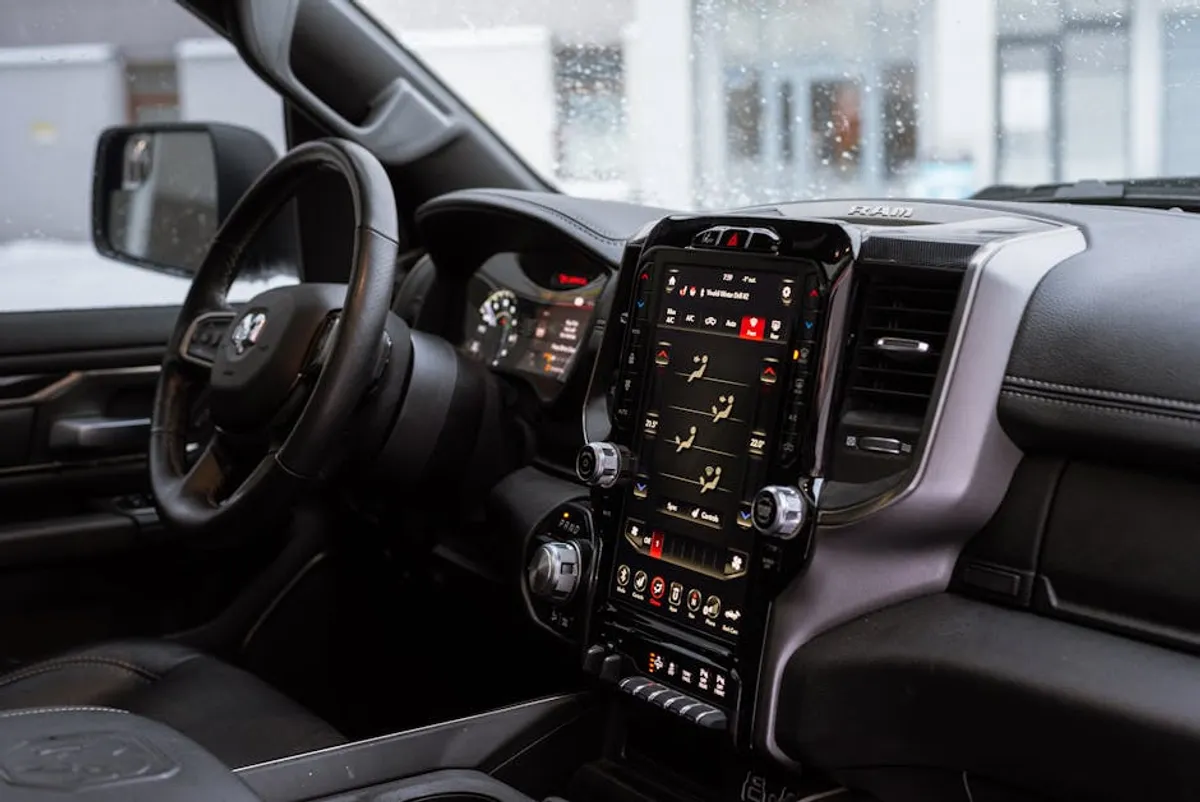
Modern Ram 1500 models have evolved to offer a refined driving experience for a full-size truck. Features like coil-spring rear suspensions (and optional air suspensions) contribute to a smoother ride quality than many competitors, mitigating the traditional "truck-like" bounce. Interiors are spacious, particularly in Crew Cab configurations, providing ample legroom and headroom for five or six adults. Technology integration, including large infotainment screens and advanced driver-assistance systems, enhances convenience and safety, making it a viable family vehicle for long trips or daily commutes.
Long-Term Value and Operational Considerations
While the initial purchase price of a new Ram 1500 can be substantial, its depreciation tends to be moderate, especially for well-maintained models with desirable features. Fuel economy, while improved in recent generations with mild-hybrid systems (e.g., eTorque), remains a significant factor, typically ranging from 18-23 MPG combined, depending on engine and drivetrain. Maintenance costs are generally consistent with other large vehicles, with parts and labor reflecting its robust build. Insurance premiums can be higher due to its size and replacement cost.
Cheap Sports Cars: Performance and Driving Engagement
Conversely, the "cheap sports car" category focuses on an entirely different set of priorities: driver engagement, performance, and agility. These vehicles are designed to deliver an exhilarating experience on the road, often at the expense of practicality.
Prioritizing Driving Dynamics
Sports cars, even those at a lower price point, are engineered for responsiveness. This includes stiffened suspensions, precise steering, and lower centers of gravity, all contributing to superior handling and cornering capabilities. Their power-to-weight ratios are optimized for quick acceleration and agile maneuvers, delivering a direct connection to the road that utility vehicles cannot replicate. The driving experience is paramount, emphasizing feedback, engine sound, and the sensation of speed. This focus makes them ideal for spirited driving on winding roads or occasional track days.
Practicality Limitations and Daily Use
The trade-off for performance is often practicality. Most cheap sports cars are two-seaters or 2+2 configurations, offering minimal passenger space in the rear, if any. Cargo capacity is typically limited to a small trunk, suitable for groceries or a weekend bag, but insufficient for larger items or extensive luggage. Ride comfort can be firm due to performance-oriented suspensions, which may become fatiguing on longer journeys or rough roads. Ground clearance is often low, requiring caution over speed bumps or uneven surfaces. These vehicles are generally less suitable for adverse weather conditions without specialized tires.
Market Appeal and Ownership Costs
The market for cheap sports cars is often driven by enthusiast demand, which can help some models hold their value well, particularly limited editions or sought-after classics. However, depreciation can also be steep for less popular models. Fuel economy is generally better than a full-size truck, often ranging from 25-35 MPG combined, but can drop significantly during aggressive driving. Maintenance costs can be higher due to specialized components, performance tires, and potentially more frequent service intervals for high-strung engines. Insurance premiums often reflect the performance nature and higher risk profile associated with these vehicles.
Direct Comparison: Aligning Vehicle with Lifestyle
The fundamental distinction between a Ram 1500 and a cheap sports car boils down to primary purpose. Your lifestyle and daily requirements should dictate the purchase.
- Utility vs. Enjoyment: The Ram 1500 is a tool for work and heavy-duty tasks; a sports car is a toy for driving pleasure.
- Capacity vs. Agility: The Ram offers vast passenger and cargo capacity; a sports car offers nimble handling and quick acceleration.
- Towing vs. Cornering: The Ram excels at pulling heavy loads; a sports car excels at carving corners.
- Comfort vs. Feedback: The Ram prioritizes a comfortable, insulated ride; a sports car prioritizes road feedback and a connected driving sensation.
- Fuel Economy vs. Power: Sports cars generally offer better fuel efficiency, but trucks provide superior power for specific tasks.
- All-Weather Capability vs. Fair-Weather Fun: Trucks are built for diverse conditions; sports cars often shine brightest in dry, temperate weather.
Pro Tip: Before committing, honestly assess your weekly vehicle usage. If you regularly transport equipment, tow trailers, or need significant passenger space, the Ram 1500 is the practical choice. If your driving consists primarily of solo commutes, weekend drives for pleasure, and you prioritize the act of driving itself, a sports car aligns better. Avoid buying a vehicle for an imagined lifestyle; base it on your actual needs.
Making the Right Choice: Beyond the Spec Sheet
Beyond the technical specifications, consider the emotional aspect of your purchase. A Ram 1500 provides a sense of capability, security, and preparedness for almost any task. It's a vehicle that empowers you to do more. A sports car, on the other hand, offers a sense of freedom, excitement, and a direct engagement with the road. It's a vehicle that excites the senses. Neither choice is inherently superior; rather, one is more suitable for a particular set of values and priorities.
Practical Wrap-up: Your Vehicle, Your Purpose
Ultimately, the "better" vehicle is the one that best fulfills your specific requirements. If your daily life involves significant cargo transport, towing, off-road excursions, or hauling multiple passengers with gear, the Ram 1500 offers the necessary robust platform. If your priority is an engaging driving experience, agile handling, and you can accommodate its practical limitations, a cheap sports car delivers that focused thrill. Consider a test drive of both types to directly compare the driving feel and utility, and then align that experience with your actual daily and weekly needs.
Frequently Asked Questions
What's the biggest difference in daily driving?
The Ram 1500 offers a commanding view, a comfortable ride, and significant interior space, but it's larger and less agile in urban settings. A cheap sports car provides nimble handling, quick acceleration, and a more connected driving feel, but often with a firmer ride and limited practicality for passengers or cargo.
Which is better for fuel economy?
Generally, a cheap sports car will offer better fuel economy than a Ram 1500, especially during moderate driving. However, aggressive driving in a sports car can quickly diminish its efficiency advantage. The Ram's fuel economy varies significantly with engine choice and load.
Can a sports car tow anything?
Most cheap sports cars are not designed for towing and have little to no towing capacity. Attempting to tow with a vehicle not rated for it can damage the drivetrain and void warranties. The Ram 1500 is purpose-built for towing, with capacities often exceeding 10,000 pounds.
What about safety features?
Modern vehicles in both categories offer advanced safety features like airbags, ABS, and stability control. Many Ram 1500 models include advanced driver-assistance systems (ADAS) like adaptive cruise control, lane-keeping assist, and automatic emergency braking. Some sports cars also offer ADAS, but their lower stance and smaller size can present different visibility challenges compared to a large truck.