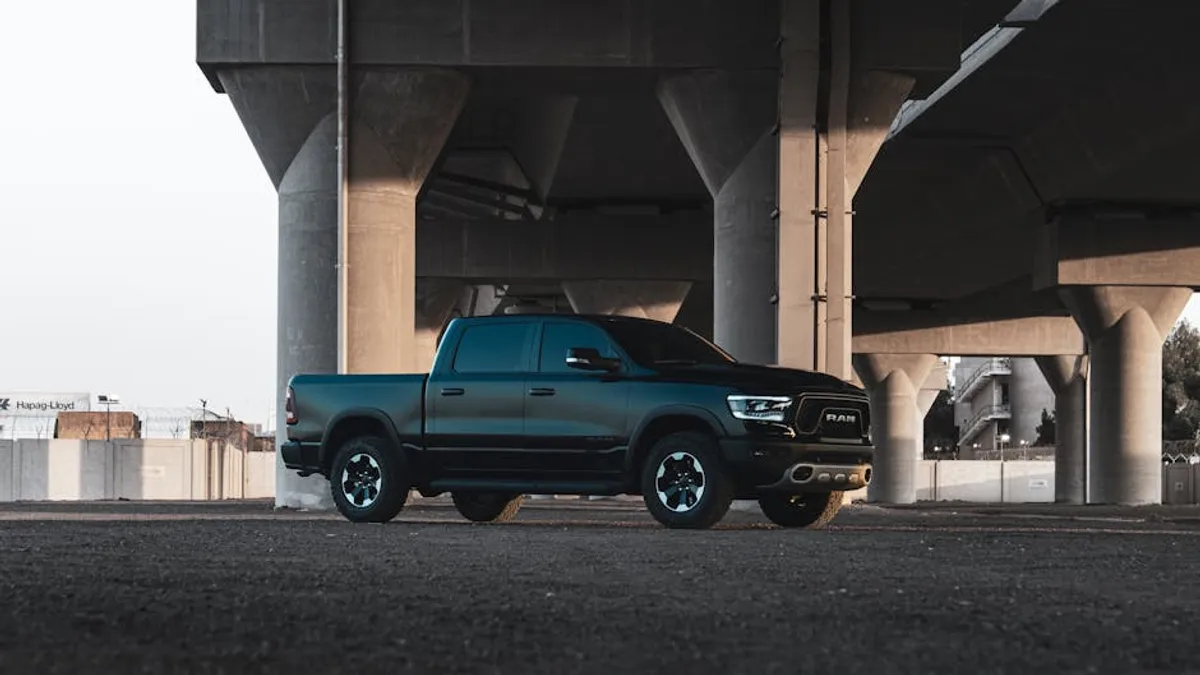
For prospective truck owners, the decision to purchase a Ram 1500 often balances its proven capability with questions surrounding long-term reliability. The Ram 1500 consistently ranks as a top seller due to its robust towing capacity, comfortable ride, and well-appointed interior. However, like any complex mechanical system, certain model years and specific components have developed reputations for common issues. Understanding these potential problems upfront allows buyers to make informed decisions, budget for maintenance, and implement proactive measures to extend vehicle lifespan. This overview details frequently reported reliability concerns and provides actionable tips for current and future Ram 1500 owners.
Assessing Ram 1500 Reliability Metrics
Reliability ratings for the Ram 1500 vary across different organizations and model years, reflecting diverse methodologies and owner feedback. J.D. Power, for instance, often places the Ram 1500 in the average category for dependability, noting improvements in recent generations but still identifying specific areas for concern. Consumer Reports similarly provides mixed ratings, highlighting strong owner satisfaction with features and comfort, yet pointing to potential trouble spots in areas like the engine and transmission for certain years. These assessments are typically derived from thousands of owner surveys, focusing on problems experienced within the first three years of ownership or over a longer period, depending on the study. Key takeaway: Ram 1500 reliability is not uniformly excellent across all years and components, necessitating detailed research for specific model years.
Common Mechanical Problems in Ram 1500 Models
Engine-Related Concerns
The 5.7L Hemi V8 engine, a popular choice in Ram 1500s, has been associated with specific issues, particularly in models from the mid-2000s through the early 2010s, though some persist in newer iterations. A prevalent concern involves the hydraulic lifters and camshaft, which can wear prematurely, leading to ticking noises, misfires, and reduced engine performance. This often necessitates significant repair, including camshaft and lifter replacement. Another common Hemi issue involves exhaust manifold bolts, which are prone to breaking due to heat cycles, causing exhaust leaks and ticking sounds, especially during cold starts. For newer models equipped with the eTorque mild-hybrid system, while generally reliable, some owners have reported software glitches or battery-related issues that can affect engine start-stop function and overall system performance.
Transmission and Drivetrain Issues
Ram 1500s primarily utilize an 8-speed automatic transmission (often the ZF 8HP or a Chrysler-licensed variant). While generally praised for smooth shifts, some owners have reported occasional rough shifting, hesitation, or unexpected gear changes. These issues can sometimes be resolved with software updates, but in other cases, they may indicate internal transmission wear or component failure. For 4x4 models, the transfer case can be a point of concern, with reports of actuator failures or issues engaging/disengaging four-wheel drive, particularly in higher mileage vehicles or those frequently used off-road or for heavy towing.
Suspension and Steering Components
The optional air suspension system, available on many Ram 1500 trims, offers a comfortable ride and adjustable height, but it is also a known source of potential reliability issues. Common problems include air leaks in the bags or lines, compressor failures, and sensor malfunctions, all of which can lead to the vehicle sagging, uneven ride height, or complete system failure. Repairs for air suspension can be costly. Conventional coil spring suspensions are generally more robust, though front suspension components like ball joints, tie rods, and control arm bushings can wear out over time, especially with hard use or in regions with rough roads, leading to clunking noises or loose steering. Steering system noise or excessive play has also been reported by some owners, often linked to power steering pump or rack-and-pinion unit issues.
Electrical and Interior System Glitches
Uconnect Infotainment System
The Uconnect infotainment system, while feature-rich, has been a source of frustration for some owners. Common complaints include touchscreens freezing, lagging responses, Bluetooth connectivity issues, and occasional system reboots. These are often software-related and can sometimes be rectified with firmware updates, though hardware failures of the head unit are not unheard of. Ensuring the system is running the latest software version is a key first step in troubleshooting.
Other Electrical Anomalies
Beyond infotainment, other electrical issues have been reported, such as parasitic battery drains, leading to dead batteries, often traced to faulty modules or accessories. Sensor failures (e.g., parking sensors, tire pressure monitoring system sensors) are also relatively common, though typically minor in impact. Wiring harness issues, while less frequent, can lead to a cascade of seemingly unrelated electrical problems.
Pro Tip: When considering a used Ram 1500, always request a detailed service history and pay for an independent pre-purchase inspection by a mechanic specializing in Ram trucks. This can uncover latent issues like early Hemi lifter wear, air suspension leaks, or transmission irregularities that might not be immediately apparent during a test drive.
Owner Tips for Maintaining Ram 1500 Reliability
Proactive Maintenance Schedules
Adhering strictly to the manufacturer's recommended maintenance schedule is paramount. This includes regular oil changes with the correct viscosity and specification, timely transmission fluid and filter services, differential fluid changes (especially for towing), and coolant flushes. Overlooking these intervals can accelerate wear on critical components, particularly the engine and transmission. Pay close attention to tire rotations and alignments to prevent premature wear on suspension and steering components.
Pre-Purchase Inspections and History Checks
For used Ram 1500s, a thorough pre-purchase inspection by a trusted, independent mechanic is non-negotiable. This inspection should specifically check for signs of the common problems listed above, including engine noises, transmission performance, air suspension integrity, and electrical system functionality. Additionally, obtain a vehicle history report (e.g., Carfax or AutoCheck) to review past accidents, salvage titles, and consistent service records. Look for evidence of regular oil changes and any major repairs or warranty claims.
Addressing Recalls and Technical Service Bulletins (TSBs)
Regularly check the National Highway Traffic Safety Administration (NHTSA) website for any open recalls pertaining to your specific Ram 1500 model year. Recalls address safety-related defects and are repaired free of charge by dealerships. While not recalls, Technical Service Bulletins (TSBs) are issued by the manufacturer to dealerships to address common, non-safety-related problems with known fixes. While TSBs don't mandate free repair, being aware of them can help diagnose issues and ensure your mechanic is applying the correct solution.
Driving Habits and Load Management
How a Ram 1500 is driven and used significantly impacts its longevity. Frequent heavy towing or hauling, especially beyond recommended limits, places immense strain on the engine, transmission, brakes, and suspension. Owners who regularly tow should consider upgrading to heavy-duty components where available and performing maintenance more frequently than the standard schedule. Gentle acceleration and braking, avoiding harsh off-road conditions unless the vehicle is properly equipped, and allowing the engine to warm up before heavy use can all contribute to extended component life.
Here's a checklist for extending your Ram 1500's lifespan:
- Follow the owner's manual for all fluid changes and service intervals.
- Inspect tires, brakes, and suspension components monthly.
- Listen for unusual engine noises, especially ticking or knocking.
- Monitor transmission shifting for smoothness and responsiveness.
- Test all electrical accessories, including Uconnect, regularly.
- Address dashboard warning lights promptly.
- Keep the exterior and undercarriage clean, especially in corrosive environments.
Making an Informed Ram 1500 Purchase Decision
The Ram 1500 remains a compelling choice for many truck buyers due to its blend of utility, comfort, and style. However, approaching a purchase with a clear understanding of its potential reliability challenges is crucial. Newer models have seen improvements, but specific components, like the Hemi lifters or air suspension, warrant careful consideration. Prospective owners should prioritize detailed research into specific model years, comprehensive pre-purchase inspections, and a commitment to proactive maintenance. Budgeting for potential repairs, especially for higher mileage vehicles, is a pragmatic approach. By taking these steps, owners can mitigate common issues and ensure their Ram 1500 delivers reliable service for years.
Frequently Asked Questions About Ram 1500 Reliability
Which Ram 1500 model years are most reliable?
Reliability trends for the Ram 1500 often show improvement in the most recent generations (2019-present) as initial kinks are worked out. Model years from 2014-2018 can be more prone to issues like Hemi lifter failure and air suspension problems. The 2012-2013 models, while older, are sometimes cited for fewer complex electronic issues compared to later iterations, though mechanical wear becomes a factor with age.
Is the Ram 1500 Hemi engine reliable?
The 5.7L Hemi V8 engine is generally powerful and performs well, but it has a documented history of issues, primarily related to premature wear of hydraulic lifters and camshafts, leading to ticking noises and potential engine damage. Exhaust manifold bolt failures are also common. Regular oil changes with high-quality synthetic oil and listening for early signs of ticking can help mitigate these risks, but they remain a known concern for many model years.
What's the typical lifespan of a Ram 1500?
With diligent maintenance, a Ram 1500 can reliably last between 200,000 to 250,000 miles or more. However, reaching these higher mileages often requires addressing some of the common mechanical issues, such as lifter replacement, transmission service, or air suspension repairs. Consistent preventative maintenance and prompt attention to warning signs are key factors in achieving a long lifespan.
Should I buy a Ram 1500 with air suspension?
The air suspension offers a superior ride quality and adjustable height, which can be beneficial for towing or off-roading. However, it is also a more complex system with a higher potential for expensive repairs due due to air leaks, compressor failures, or sensor malfunctions compared to traditional coil springs. If considering an air suspension model, factor in potential repair costs and ensure the system is thoroughly inspected before purchase.