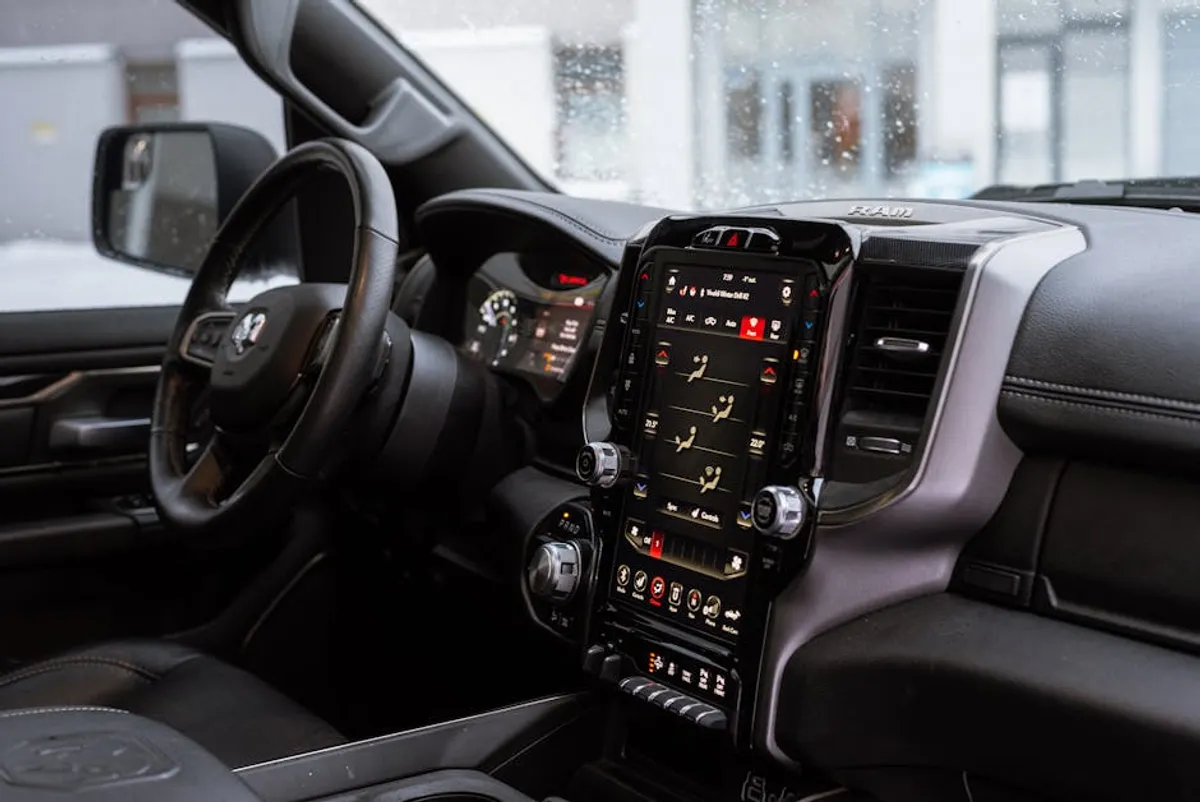
Purchasing a Ram 1500 involves more than just the sticker price; understanding the associated insurance costs is a critical financial consideration for any prospective owner. These costs are not static, varying significantly based on a complex interplay of factors specific to both the driver and the vehicle itself. Drivers must anticipate how these variables translate into monthly or annual premiums to budget effectively and make informed decisions about coverage levels.
Key Factors Influencing Ram 1500 Insurance Premiums
Several core elements contribute to the final insurance premium for a Ram 1500. Insurers assess risk based on these data points, calculating the likelihood of a claim and the potential cost of that claim.
Driver Profile and History
An individual's driving record is a primary determinant. A history of accidents, traffic violations, or DUI convictions typically results in higher premiums due to the increased risk profile. Age and experience also play a role; younger, less experienced drivers often face higher rates. Marital status and credit score (where legally permissible) can further influence premiums, as statistical correlations suggest these factors relate to claim frequency.
- Driving Record: Accidents, speeding tickets, or other moving violations increase premiums.
- Age and Experience: Younger drivers (under 25) generally pay more due to higher statistical accident rates.
- Credit Score: In many states, a lower credit-based insurance score can lead to higher rates, reflecting a perceived higher risk.
- Marital Status: Married individuals often pay less, as they are statistically less likely to file claims.
Vehicle Specifications and Trim Levels
The Ram 1500 is available in numerous configurations, and these distinctions directly impact insurance. Higher trim levels, such as the Laramie, Rebel, or Limited, often come with more advanced technology, luxury features, and more powerful engines, which increase both the vehicle's replacement cost and the cost of repairs. Specialized features like advanced driver-assistance systems (ADAS) can sometimes reduce certain risks but may also increase repair costs if damaged. The vehicle's theft rate for its specific model year also influences premiums; models frequently targeted by thieves often incur higher comprehensive coverage costs.
Location and Usage
Where the Ram 1500 is garaged and how it is used significantly affect insurance rates. Urban areas with higher traffic density, crime rates, or a greater incidence of uninsured motorists typically see higher premiums than rural locations. The vehicle's primary use—whether for daily commuting, business, or occasional leisure—also matters. Higher mileage and business use often correlate with increased exposure to risk, leading to higher costs.
Pro Tip: When obtaining quotes, ensure consistent reporting of your annual mileage and primary use. Discrepancies can lead to policy cancellation or denial of claims if not accurately represented.
Coverage Types and Deductibles
The extent of coverage selected is a direct driver of premium costs. Basic liability coverage, mandated by most states, is generally the cheapest but provides minimal protection. Adding collision and comprehensive coverage, which protect against damage to your own vehicle from accidents, theft, or natural disasters, substantially increases premiums. Uninsured/underinsured motorist coverage, medical payments, and personal injury protection also add to the total. Higher deductibles (the amount you pay out-of-pocket before insurance kicks in) typically result in lower monthly premiums, but require a larger upfront payment in the event of a claim.
Strategies to Manage Ram 1500 Insurance Costs
Drivers have several avenues to explore for reducing their Ram 1500 insurance expenses without compromising essential protection.
- Shop Around Annually: Insurance rates change frequently. Obtain quotes from multiple providers each year to ensure you are getting the most competitive rate for your specific Ram 1500 model and driver profile.
- Bundle Policies: Many insurers offer discounts for bundling auto insurance with other policies, such as home or renters insurance.
- Maintain a Clean Driving Record: Avoiding accidents and traffic violations is the most effective long-term strategy for keeping premiums low.
- Increase Deductibles: Opting for a higher deductible on collision and comprehensive coverage can significantly lower your premium, provided you can comfortably afford the deductible amount if a claim arises.
- Inquire About Discounts: Ask insurers about available discounts, which may include good student discounts, multi-car discounts, anti-theft device discounts, or discounts for completing defensive driving courses.
- Review Coverage Regularly: As your Ram 1500 ages, its market value depreciates. Periodically reassess whether full collision and comprehensive coverage remains financially sensible, particularly for older models where the premium might approach the vehicle's actual cash value.
- Consider Telematics Programs: Some insurers offer programs that monitor driving habits (e.g., mileage, speed, braking) through a device or app, potentially rewarding safe drivers with lower rates.
Understanding Ram 1500 Specifics
The Ram 1500, as a light-duty pickup truck, has specific characteristics that influence its insurance profile. Its utility as a work vehicle, combined with its popularity as a personal vehicle, means it can be subject to varying risk assessments. The availability of powerful engine options (like the HEMI V8) and specialized trims (e.g., TRX) can elevate premiums due to higher performance capabilities and increased replacement costs for specialized components. Furthermore, any aftermarket modifications, particularly performance enhancements or significant aesthetic changes, should be disclosed to your insurer, as they can alter the vehicle's value and risk profile, potentially affecting coverage or increasing premiums.
Proactive Management of Your Ram 1500 Policy
Managing insurance costs for your Ram 1500 requires ongoing attention. Do not assume your initial policy is the best long-term solution. Market conditions, your personal circumstances, and even the vehicle's age will evolve, necessitating periodic review of your coverage and rates. By actively comparing quotes, understanding the impact of your driving habits, and leveraging available discounts, you can maintain appropriate protection for your truck without overpaying.
Frequently Asked Questions
Does the engine size of my Ram 1500 affect insurance costs?
Yes, generally. More powerful engines, such as the HEMI V8 options, can lead to higher insurance premiums due to their increased performance capabilities, which insurers may associate with a higher risk of accidents or more expensive repairs.
Will adding accessories or modifications to my Ram 1500 change my insurance?
Yes, modifications can impact your insurance. Aftermarket parts or accessories that increase the vehicle's value or alter its performance should be reported to your insurer. This could include lift kits, custom wheels, performance upgrades, or extensive audio systems, all of which may increase repair or replacement costs and potentially your premiums.
Can my credit score really influence what I pay for Ram 1500 insurance?
In many states, insurance companies use a credit-based insurance score as one factor in determining premiums. Studies suggest a correlation between credit scores and the likelihood of filing claims. A higher credit score can often result in lower insurance rates, while a lower score may lead to higher premiums.