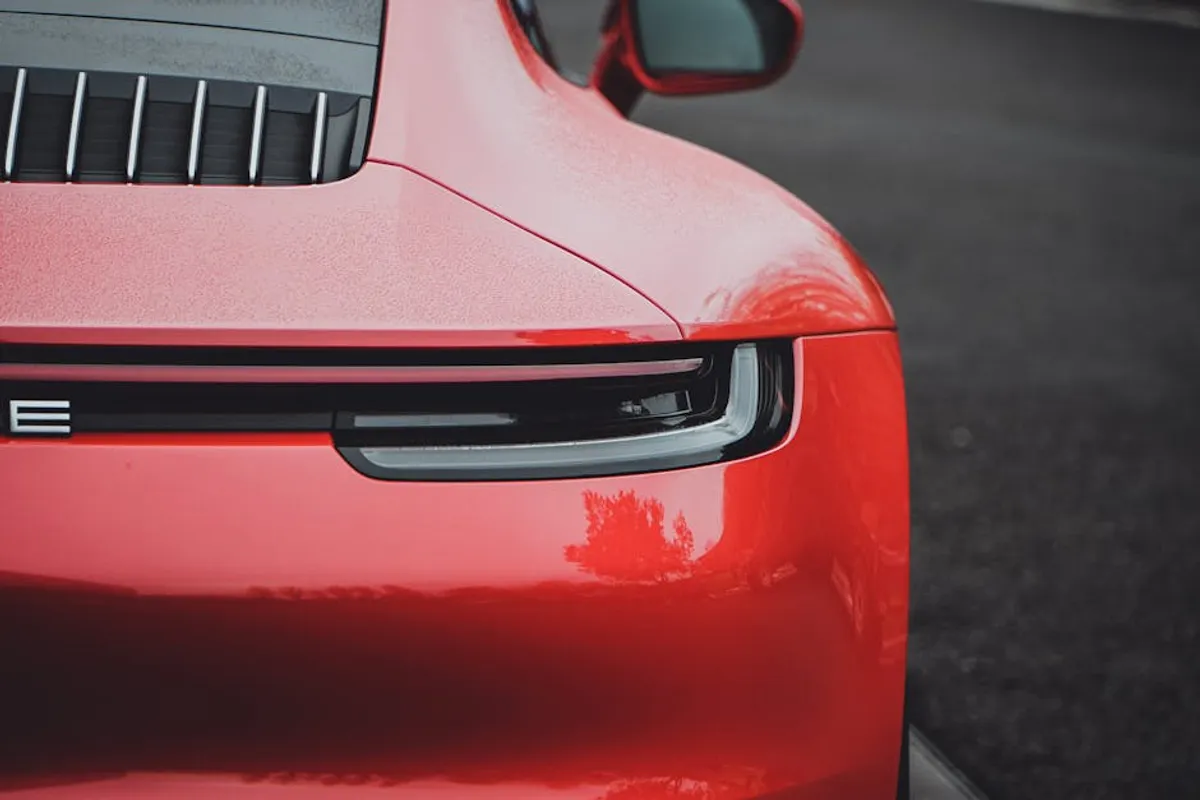
Acquiring a Porsche 911 marks a significant milestone for any automotive enthusiast. Beyond the initial thrill of ownership, understanding the specific maintenance requirements of this high-performance vehicle is crucial for preserving its engineering integrity, driving dynamics, and long-term value. A 911 is not merely a car; it is a precision instrument designed for exacting performance, and its care regimen reflects this. New owners must transition from general automotive maintenance practices to a focused approach that respects Porsche's engineering philosophy and the demands placed on its components.
Understanding the Porsche 911 Maintenance Philosophy
The Porsche 911 operates at higher performance thresholds than most vehicles, meaning its components are engineered to tighter tolerances and experience different stresses. This necessitates a proactive and precise maintenance schedule, rather than a reactive one. The philosophy centers on prevention: identifying potential issues before they escalate, ensuring all systems operate within optimal parameters, and using specific parts and fluids designed for the 911's architecture. Neglecting this approach can lead to diminished performance, accelerated wear, and costly repairs that could have been avoided.
Essential Maintenance Categories for Your 911
Engine and Powertrain Care
The heart of any 911 demands meticulous attention. Regular oil changes are paramount, typically every 10,000 miles or annually, whichever comes first. Porsche engines often specify particular synthetic oil grades (e.g., A40, C30, C40) that meet stringent lubrication and thermal stability requirements. Always use a Porsche-approved oil filter. Spark plugs, while durable, have specific replacement intervals, usually around 30,000 to 60,000 miles, depending on the model and driving conditions. Inspect serpentine and accessory belts for cracking, fraying, or tension issues. The coolant system requires regular level checks and condition assessment; leaks or discolored fluid indicate a need for immediate attention. For models equipped with a PDK transmission, fluid and filter changes are critical at specified intervals, often around 60,000 to 80,000 miles, to maintain smooth operation and longevity. Manual transmission fluid also requires periodic inspection and replacement.
Braking System Integrity
A 911's braking performance is as vital as its acceleration. Regularly inspect brake pads and rotors for wear. Pads should be replaced before reaching minimum thickness, and rotors should be measured for runout and minimum thickness. Brake fluid is hygroscopic, meaning it absorbs moisture over time, which degrades its performance and can lead to corrosion within the braking system. A brake fluid flush is typically recommended every two years, regardless of mileage. Calipers should be checked for proper function and any signs of leaks or sticking pistons.
Suspension and Steering Components
The 911's handling precision relies heavily on its suspension and steering. Maintain correct tire pressures as specified by Porsche, which can vary between front and rear axles. Regularly inspect tires for uneven wear patterns, which can indicate alignment issues or worn suspension components. Wheel alignment should be checked periodically, especially if you notice pulling or irregular tire wear. Visually inspect shocks and struts for fluid leaks, and check all suspension bushings for cracking, excessive play, or deterioration. For models with hydraulic power steering, fluid levels and condition should be part of the routine check.
Electrical and Lighting Systems
Modern 911s rely heavily on complex electrical systems. Regular battery health checks are advisable, especially if the car is not driven daily, to ensure optimal starting power and prevent issues with sensitive electronics. Ensure all exterior lights (headlights, tail lights, turn signals, brake lights) and interior lights are functioning correctly. Any persistent warning lights on the dashboard, particularly those related to the engine, ABS, or airbags, require immediate diagnosis by a qualified technician.
Body, Interior, and Ancillary Items
Though often overlooked, these items contribute to the overall ownership experience and vehicle integrity. Replace windshield wiper blades annually or when streaking occurs. The cabin air filter should be changed at recommended intervals to maintain HVAC performance and air quality. Check other fluid levels such as windshield washer fluid. Inspect door and window seals for cracking or deterioration, as these prevent water ingress and maintain cabin quietness. Regular cleaning and conditioning of interior surfaces, especially leather, will preserve their appearance and prevent premature wear.
Pro Tip: Always prioritize genuine Porsche parts and fluids, or high-quality OEM equivalents specified by Porsche. While aftermarket options may exist, using components not engineered to Porsche's exact standards can compromise performance, reliability, and potentially void warranties. The precision of a 911 demands components built to the same exacting specifications.
Establishing a Service Schedule
Porsche provides a detailed service schedule in the owner's manual, typically outlining intervals based on mileage (e.g., 10,000-mile increments) or time (e.g., annual service). Adhering to this schedule is the baseline for proper maintenance. However, individual driving habits can influence actual needs. Aggressive driving, frequent track use, or consistent short-trip driving in extreme temperatures may necessitate more frequent checks or fluid changes. Maintaining a comprehensive service log, detailing all maintenance performed, parts used, and dates, is invaluable for tracking the vehicle's history and proving diligent care, which positively impacts resale value.
Leveraging Specialized Expertise
While some basic checks can be performed by owners, the complexity of a Porsche 911 often requires specialized knowledge and tools. Engaging Porsche-trained technicians or independent specialists who possess extensive experience with the brand is highly recommended. These professionals have access to proprietary diagnostic equipment, technical bulletins, and the specific expertise required to accurately diagnose and repair 911 systems. Their understanding of Porsche's engineering nuances ensures that maintenance is performed correctly, using the right procedures and genuine parts.
Preserving Your 911's Legacy
Proactive and informed maintenance is not merely a chore; it is an integral part of Porsche 911 ownership. By adhering to a comprehensive checklist and understanding the specific needs of your vehicle, you ensure its continued peak performance, safeguard its iconic driving experience, and protect your investment. A well-maintained 911 retains its value more effectively and delivers consistent driving pleasure over many years, allowing you to fully appreciate the engineering marvel it represents.
Frequently Asked Questions
How often should I change the oil in my Porsche 911?
Porsche generally recommends oil changes every 10,000 miles or once a year, whichever comes first. However, specific models and driving conditions may warrant more frequent changes; always consult your owner's manual for the precise interval for your 911.
What kind of tires are best for a Porsche 911?
Porsche 911s are designed to perform optimally with specific N-spec tires. These tires (marked with an 'N' followed by a number, e.g., N0, N1) have been tested and approved by Porsche for particular models, ensuring the best balance of grip, handling, and safety for your vehicle.
Should I use a Porsche dealership for service?
While not strictly mandatory, using a Porsche dealership or a reputable independent specialist with Porsche expertise is highly recommended. They have the specialized tools, diagnostic equipment, and factory-trained technicians necessary to properly service your 911 and maintain its complex systems.
How can I check my 911's service history?
A comprehensive service history can be found through detailed service records kept by previous owners, service stamps in the maintenance book, or by requesting records from authorized Porsche dealerships or specialist shops that have serviced the vehicle.