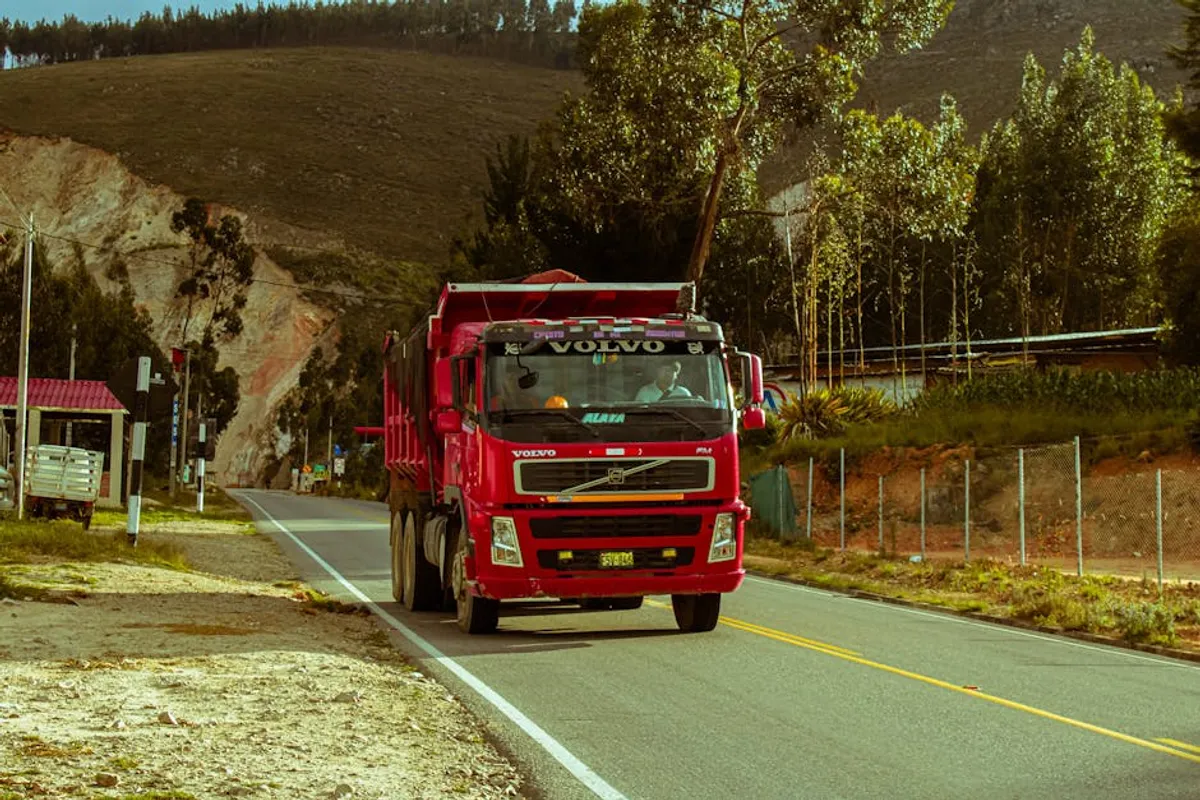
New off-road truck ownership brings the promise of adventure, but also the responsibility of rigorous maintenance. Unlike pavement-bound vehicles, off-road trucks endure extreme conditions—mud, water crossings, rocks, and uneven terrain—that accelerate wear and tear on critical components. Neglecting this specialized care directly impacts vehicle reliability, safety, and long-term resale value. This guide provides new owners with a structured maintenance checklist, focusing on the unique demands of off-road operation to keep your truck performing reliably for years.
Understanding Off-Road Wear and Tear Dynamics
Off-road environments impose stresses far beyond typical road driving. Water crossings can contaminate differentials and axle breathers, while sand and dust ingress accelerate wear on air filters, brakes, and moving parts. Impacts from rocks and debris threaten undercarriage components, steering linkages, and suspension. Understanding these specific vulnerabilities is the first step in effective preventative maintenance. Your truck's service intervals, particularly for drivetrain fluids, will likely need to be more frequent than manufacturer recommendations for highway use.
Pre-Trip Inspection Protocol
Before every off-road excursion, a thorough inspection is non-negotiable. This isn't just about avoiding breakdowns; it's about ensuring safety in remote locations.
Tire Pressure and Condition
Inspect all five tires (including the spare) for cuts, bulges, and embedded objects. Adjust tire pressure according to terrain—lower pressures increase traction and ride comfort on soft surfaces but require reinflation for pavement. Confirm valve stems are intact and caps are secure. Proper tire pressure management is critical for preventing punctures and maintaining control.
Fluid Levels and Leaks
Check engine oil, transmission fluid, brake fluid, power steering fluid, and coolant levels. Look for any visible leaks around the engine, transmission, axles, and transfer case. Even minor leaks can become significant issues under stress. Ensure the windshield washer reservoir is full, as visibility can quickly diminish on dusty trails.
Undercarriage and Skid Plate Check
Visually inspect the entire undercarriage for loose or damaged skid plates, exposed wiring, and bent components like tie rods or control arms. Verify that all bolts securing skid plates and other protective gear are tight. A loose skid plate can catch on obstacles, causing further damage or becoming a hazard.
Post-Trip Recovery and Assessment
Once the adventure concludes, the real work of preservation begins. This phase is crucial for identifying damage and preventing long-term corrosion or component failure.
Thorough Cleaning Strategies
Remove all mud, dirt, and debris from the exterior and, critically, the undercarriage. Pay special attention to suspension components, brake calipers, and wheel wells. Mud packed around moving parts can cause premature wear, corrosion, and imbalance. Use a pressure washer carefully, avoiding direct streams into electrical connectors, axle breathers, or wheel bearings. Allow the vehicle to dry thoroughly.
Damage and Component Inspection
After cleaning, conduct a detailed inspection. Look for new dents, scratches, or paint chips that could lead to rust. Check for bent wheels, damaged tires, or compromised bead seals. Inspect suspension components for bent shocks, cracked bushings, or broken sway bar links. Examine steering components for play or damage. Check differential covers for impacts and look for leaks from axle seals or the transfer case. This is also the time to inspect recovery points and ensure they are undamaged.
Pro Tip: After a water crossing or heavy rain, drain and inspect your differential and transfer case fluids. Milky or discolored fluid indicates water contamination, which requires immediate fluid replacement to prevent catastrophic bearing and gear failure. This proactive check can save thousands in repair costs.
Scheduled Maintenance for Off-Road Vehicles
Beyond pre- and post-trip checks, adjust your regular service schedule to account for off-road demands. These intervals will be shorter than for a truck used exclusively on pavement.
Drivetrain Component Care
Differentials, transfer cases, and transmissions are under immense stress off-road. Change their fluids more frequently, often at half the manufacturer's recommended interval for highway use, especially after heavy-duty off-roading or water crossings. Use the specified fluid types and weights. Inspect universal joints and CV boots for tears or damage, as these are critical for power transfer and highly exposed.
Suspension System Longevity
Regularly inspect all suspension bushings for cracks or excessive wear. Lubricate greaseable fittings on control arms, ball joints, and tie rod ends. Check shock absorbers for leaks or damage. Worn suspension components not only degrade ride quality but also compromise handling and safety, particularly at speed or on uneven terrain.
Brake System Integrity
Off-road conditions introduce more dirt and debris into the braking system, accelerating wear. Inspect brake pads and rotors more frequently. Check brake lines for abrasions or damage. Bleed brake fluid periodically to remove air and moisture, especially if you've been through deep water. Ensure the parking brake functions correctly.
Essential Off-Road Tools and Spares
Being prepared means carrying the right tools for trailside repairs and recovery. This list focuses on maintenance and minor repairs:
- Basic hand tools (wrenches, sockets, screwdrivers)
- Tire repair kit and portable air compressor
- Jumper cables or a portable jump starter
- Recovery strap and shackles
- First-aid kit
- Fire extinguisher
- Duct tape, zip ties, and electrical tape
- Spare fluids (engine oil, coolant, power steering fluid)
- Flashlight or headlamp
- Gloves and safety glasses
Sustaining Your Off-Road Investment
Consistent, specialized maintenance is not merely a chore; it's an investment in the longevity and capability of your off-road truck. By adhering to a rigorous pre-trip, post-trip, and accelerated scheduled maintenance regimen, new owners can mitigate the harsh effects of off-road environments. This proactive approach ensures your vehicle remains reliable for every adventure, protects your financial investment, and, most importantly, keeps you safe on the trail. Consult your truck's owner's manual for specific torque specifications and fluid requirements, and consider professional inspections periodically to catch issues that might be missed.
Frequently Asked Questions
How often should I change my off-road truck's differential fluid?
For regular off-road use, it's advisable to change differential fluids every 15,000 to 20,000 miles, or annually, whichever comes first. After deep water crossings or very heavy use, inspect the fluid immediately for contamination and change it if necessary, regardless of mileage.
What are the most common off-road components to fail due to lack of maintenance?
Common failures include worn universal joints, damaged CV boots leading to joint failure, contaminated differential/transfer case fluids, seized suspension bushings, and prematurely worn brake components due to mud and grit. Neglecting undercarriage checks can also lead to damaged steering components or fuel lines.
Is it necessary to wash the undercarriage after every off-road trip?
Yes, it is highly recommended. Mud, dirt, salt, and other debris can pack into crevices, promoting corrosion, accelerating wear on moving parts, and potentially interfering with sensors or electrical connections. A thorough undercarriage wash helps prevent long-term damage and makes future inspections easier.
Should I perform all maintenance myself or use a professional?
Basic inspections, cleaning, and fluid checks can often be performed by new owners. However, for complex tasks like suspension overhauls, differential rebuilds, or diagnosing electrical issues, professional mechanics specializing in off-road vehicles are recommended. Regular professional inspections can also identify issues before they become major problems.