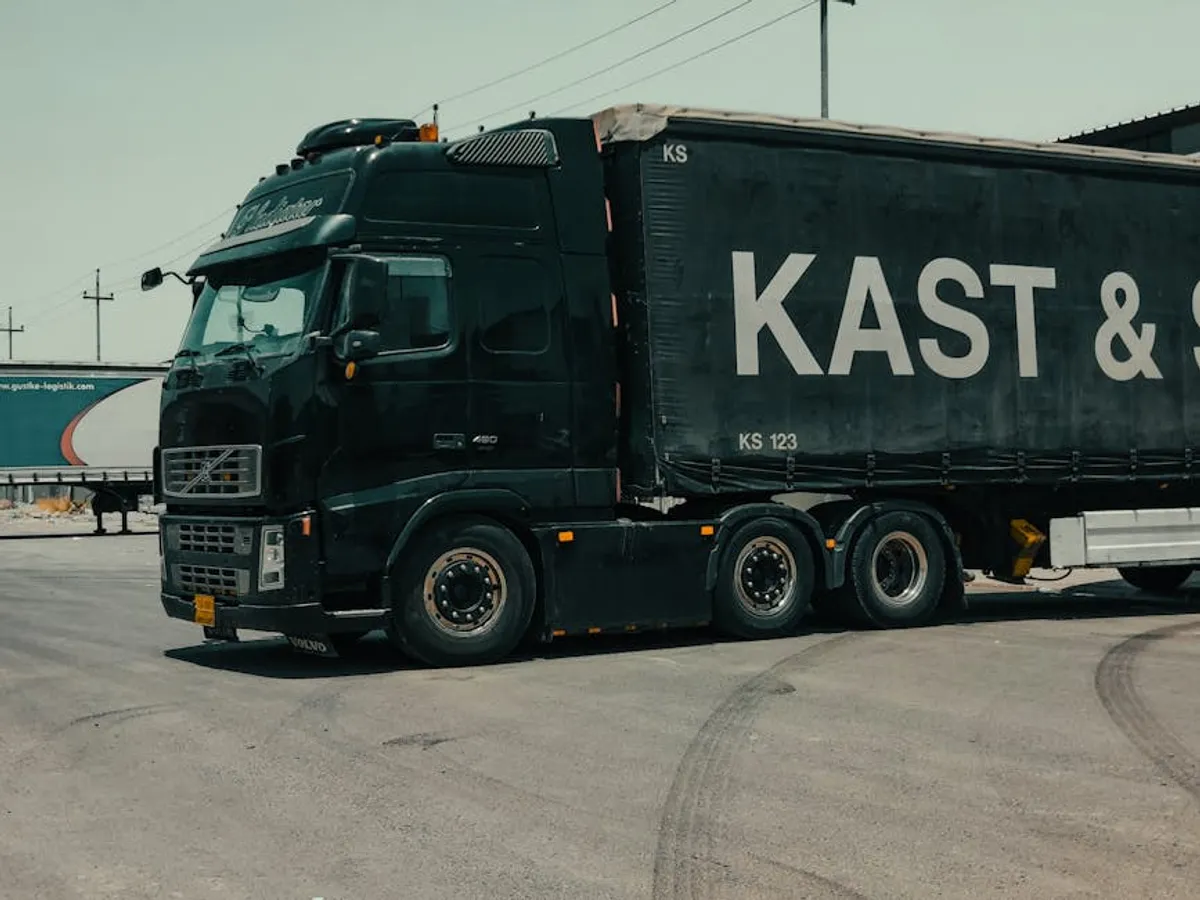
Selecting an off-road truck involves more than simply choosing a capable vehicle; it requires a precise understanding of your intended use, the terrain you'll encounter, and the specific mechanical attributes that support those demands. The market offers a wide spectrum of configurations, from light-duty pickups designed for occasional trail use to highly specialized rigs built for extreme rock crawling or long-distance overlanding. Misaligning your purchase with your actual off-road objectives can lead to either an underperforming vehicle or an unnecessarily expensive and over-engineered one. This guide outlines the critical considerations to ensure your investment matches your adventure.
Defining Your Off-Road Needs
Before evaluating any specific truck, clarify your primary off-road activities. This foundational step dictates the necessary drivetrain, suspension, and protection features.
Light Trail Driving and Overlanding
For moderate trails, forest service roads, and multi-day overland expeditions, reliability and comfort often take precedence over extreme articulation or ground clearance. You'll need sufficient ground clearance to clear obstacles, a robust 4x4 system, and a suspension tuned for sustained travel over varied, but not necessarily extreme, surfaces. Payload capacity becomes important for carrying camping gear, fuel, and supplies.
Consider: Integrated roof racks, bed storage solutions, and auxiliary power outputs.
Rock Crawling and Extreme Terrain
Navigating large boulders, steep inclines, and deep ruts demands maximum articulation, robust underbody protection, and precise control. Low-range gearing, differential lockers, and durable axles are non-negotiable. Ground clearance and approach/departure/breakover angles are critical metrics. These trucks often feature modified suspensions with long-travel shocks and reinforced components.
Consider: Beadlock-capable wheels, heavy-duty rock sliders, and winch-ready bumpers.
Mudding and Sand Dunes
Driving through mud bogs or across soft sand requires specific power delivery and tire characteristics. High ground clearance helps prevent getting bogged down, while appropriate tire tread patterns are essential for traction. Engine torque and gearing that prevent bogging are vital. For sand, wider tires at lower pressures increase flotation. For mud, aggressive, self-cleaning treads are key.
Consider: Snorkels for water crossings, high-mounted air intakes, and recovery points.
Key Drivetrain and Chassis Considerations
The foundation of any capable off-road truck lies in its drivetrain and chassis design.
Four-Wheel Drive (4WD) Systems
Most off-road trucks utilize part-time 4WD, meaning it's engaged manually and not suitable for paved roads. Look for a system with 4-High (for slippery surfaces) and 4-Low (for maximum torque at low speeds). Some advanced systems offer full-time 4WD or automatic 4WD modes that can be used on all surfaces, providing flexibility.
Differential Lockers
Locking differentials force both wheels on an axle to spin at the same rate, preventing power from being sent only to the wheel with the least traction. Front and rear lockers offer superior traction in extreme situations. Rear lockers are often available as a factory option, while front lockers are more common in highly modified vehicles.
Suspension Design
The suspension determines articulation, ride quality, and load-carrying capacity. Solid axles generally offer greater durability and articulation for extreme terrain, while independent front suspensions (IFS) provide better on-road comfort and handling. Aftermarket lift kits and upgraded shocks can significantly enhance off-road performance, but consider the impact on geometry and warranty.
Pro Tip: Evaluate the truck's factory skid plates and underbody protection. While aftermarket options are plentiful, a solid factory foundation reduces immediate modification costs and ensures critical components like the oil pan, transfer case, and fuel tank are shielded from the outset.
Engine and Transmission Choices
The powertrain must deliver consistent, usable power in challenging conditions.
Engine Type and Torque
Diesel engines typically offer higher torque at lower RPMs, which is advantageous for crawling and heavy loads. Gasoline engines can provide more horsepower for high-speed desert running. Consider the power band's suitability for your primary use. For technical terrain, low-end torque is more critical than peak horsepower.
Transmission Gearing
Manual transmissions offer precise control, particularly in technical crawling, but can be more fatiguing. Automatic transmissions are often preferred for their ease of use and ability to maintain momentum without interruption. Pay attention to the low-range gearing ratio; a lower ratio (e.g., 4:1) provides more torque multiplication for slow, controlled movements.
Tires and Wheels: The Contact Points
Your tires are the single most important factor for traction and dictate much of the truck's off-road capability.
- All-Terrain (A/T) Tires: A good balance for mixed on-road and off-road use. Offer decent traction on dirt, gravel, and light mud without excessive road noise.
- Mud-Terrain (M/T) Tires: Aggressive tread patterns designed for maximum traction in mud, rocks, and loose soil. Louder on pavement and may wear faster.
- Hybrid/Rugged Terrain (R/T) Tires: A compromise between A/T and M/T, offering more aggressive looks and better off-road performance than A/T, but with less road noise than M/T.
- Wheels: Steel wheels are often more durable and repairable than alloy wheels for off-road impacts. Consider beadlock-capable wheels for extreme low-pressure operation, though these are typically aftermarket.
Essential Off-Road Protection and Recovery Gear
Beyond the truck itself, essential accessories ensure safety and capability.
Underbody Protection: Skid plates for the engine, transmission, transfer case, and fuel tank are crucial. Rock sliders protect the rocker panels from impacts.
Recovery Points and Winch: Front and rear tow points are mandatory. A front-mounted winch is invaluable for self-recovery or assisting others. Consider the winch's pulling capacity relative to the truck's gross vehicle weight.
Lighting: Auxiliary LED light bars or spot/flood lights improve visibility in low-light conditions, especially on trails.
Communication: A CB radio or satellite communication device is vital for remote areas without cell service.
Budgeting and Long-Term Ownership
The purchase price is only one component of off-road truck ownership.
Initial Cost: Factor in trim levels, optional packages (e.g., off-road specific packages from the manufacturer), and any immediate aftermarket modifications you plan.
Maintenance: Off-road driving puts additional stress on components. Expect more frequent checks and potential replacements of suspension components, tires, and fluids. Regular inspections of the undercarriage are critical.
Fuel Economy: Larger tires, lift kits, and heavier accessories will negatively impact fuel efficiency. Factor this into your running costs.
Insurance: Specialized modifications may affect insurance premiums or coverage in the event of an off-road incident. Verify coverage with your provider.
Making Your Final Selection
Approach the purchase of an off-road truck with a clear understanding of your specific needs, the mechanical requirements to meet those needs, and the long-term financial implications. Prioritize features that directly support your primary off-road activities. A truck perfectly suited for rock crawling may be a poor choice for high-speed desert running, and vice-versa. Test drive potential vehicles in conditions as close to your intended use as safely possible, and inspect the undercarriage for signs of previous abuse if buying used. A well-chosen off-road truck is a tool for adventure, and like any tool, its effectiveness depends on selecting the right one for the job.
Frequently Asked Questions
What is the difference between 4WD and AWD?
Four-wheel drive (4WD) systems are typically designed for off-road use, allowing the driver to manually engage 4-High or 4-Low. All-wheel drive (AWD) systems are generally designed for on-road traction in slippery conditions and operate automatically, often without a low-range gear.
Do I need a lift kit for off-roading?
Not necessarily for all off-roading. A lift kit increases ground clearance and allows for larger tires, which can be beneficial for clearing obstacles. However, a modest lift is often sufficient for most trail driving, and extreme lifts can negatively impact handling, stability, and driveline angles.
How important are differential lockers?
Differential lockers are crucial for maintaining traction in challenging, low-traction situations, such as when one or more wheels lose contact with the ground or are on very slippery surfaces. For serious rock crawling or technical terrain, front and rear lockers significantly enhance capability.
What maintenance is unique to off-road trucks?
Off-road trucks require more frequent inspection of suspension components, skid plates, and driveline boots for damage. Fluid changes for differentials, transfer cases, and transmissions might be recommended more often, especially after deep water crossings. Tire pressure and condition checks are also critical.