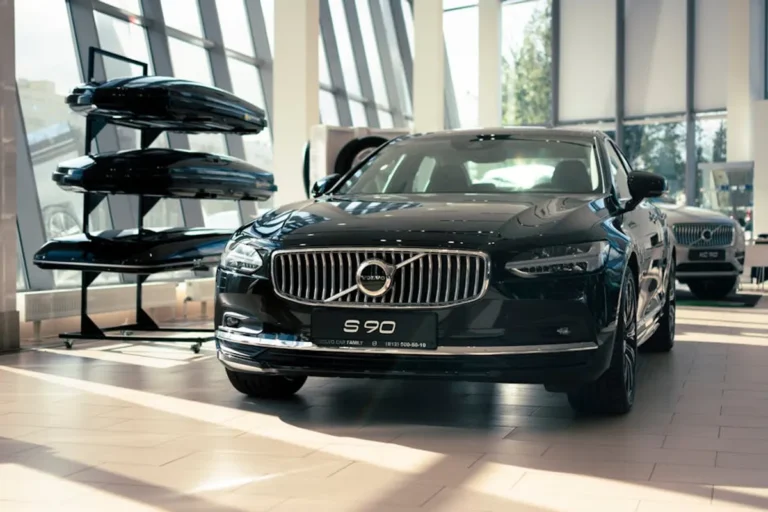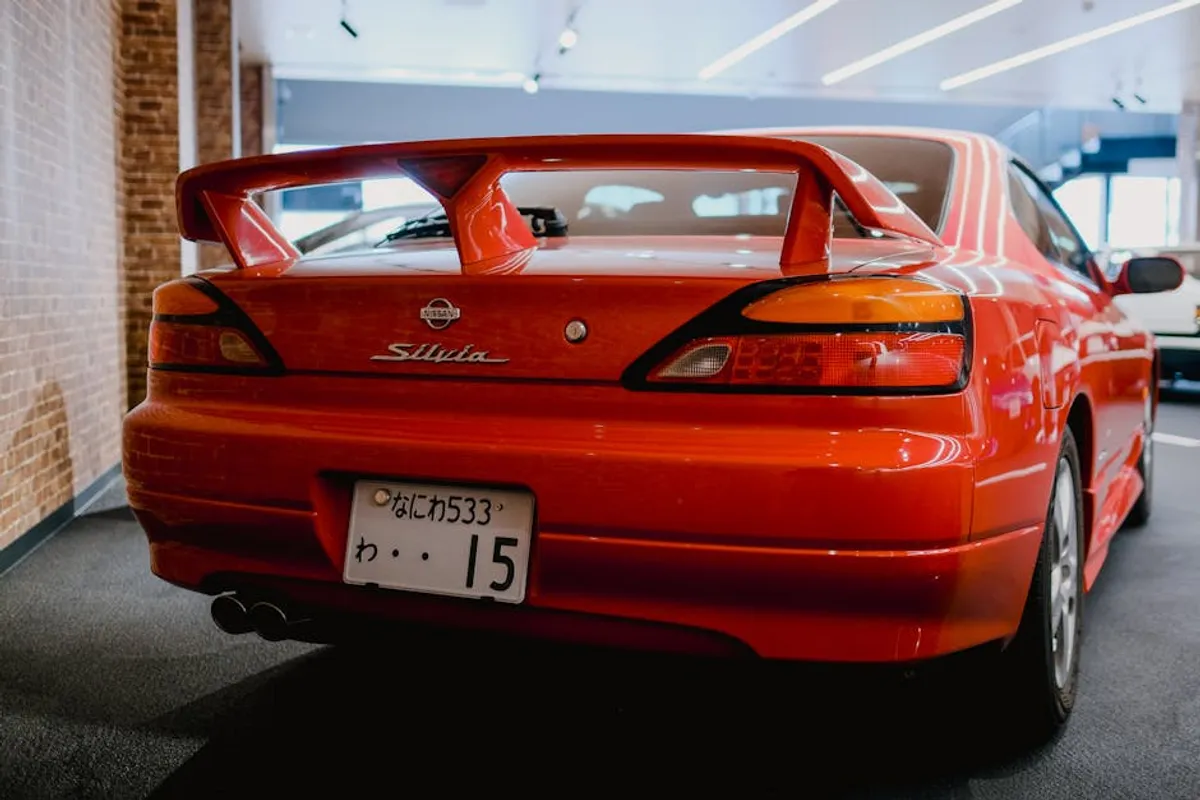
The decision between acquiring a Nissan Silvia and opting for a used SUV represents a fundamental divergence in automotive priorities: pure driving engagement versus practical utility. This isn't merely a choice between two vehicle types; it's a commitment to a lifestyle, budget, and daily usage pattern. Understanding the inherent strengths and trade-offs of each category is crucial for making an informed purchase that aligns with your specific needs and expectations.
The Nissan Silvia: A Driver's Machine with Heritage
The Nissan Silvia, particularly models like the S13, S14, and S15, holds a revered status among enthusiasts for its rear-wheel-drive platform, balanced chassis, and significant aftermarket support. These vehicles were engineered for dynamic driving, offering a direct connection between driver and road that is increasingly rare in modern cars.
Performance and Driving Dynamics
Silvias are celebrated for their responsive steering, predictable handling characteristics, and readily tunable SR20DET engine (in turbocharged variants). This makes them highly desirable for track days, drifting, or spirited road driving. The relatively lightweight chassis contributes to an agile feel, and the availability of performance parts allows for extensive customization, from engine upgrades to suspension tuning. Owners often invest significantly in modifying these cars to suit specific performance goals.
Ownership Considerations for a Silvia
Acquiring a Silvia today typically means purchasing an older, often imported, vehicle. This presents several unique considerations:
- Condition Variability: Many Silvias have been modified, raced, or subjected to hard driving. Finding an unmolested or well-maintained example requires diligent searching and a thorough pre-purchase inspection.
- Parts Availability: While aftermarket performance parts are abundant, sourcing original equipment manufacturer (OEM) replacement parts for certain components can be challenging and costly, especially for interior trim or specific body panels.
- Maintenance Complexity: Older turbocharged engines require consistent maintenance, and any modifications can introduce additional points of failure or specialized service requirements. Familiarity with Japanese Domestic Market (JDM) vehicles and mechanics specializing in them is often necessary.
- Insurance and Registration: Insurance premiums can be higher due to the vehicle's age, performance potential, and import status. Registration requirements for imported vehicles vary by region and can add complexity.
Best for: Enthusiasts prioritizing driving dynamics, customization, and a vehicle with significant cultural cachet. Buyers prepared for hands-on maintenance or specialized service.
Used SUVs: Versatility and Practicality for Modern Life
Used SUVs offer a broad spectrum of choices, ranging from compact crossovers to full-size body-on-frame vehicles. Their primary appeal lies in their versatility, combining passenger comfort with cargo capacity and often all-weather capability.
Utility and Everyday Functionality
SUVs excel at accommodating multiple passengers and significant luggage, making them suitable for families, road trips, or hauling equipment. A higher driving position provides improved visibility for many drivers, and available all-wheel drive (AWD) or four-wheel drive (4WD) systems offer enhanced traction in adverse weather conditions or light off-road scenarios. Their robust construction often translates to a perception of safety and durability.
Ownership Considerations for a Used SUV
The used SUV market is vast, offering options across various price points, sizes, and fuel types. Key considerations include:
- Fuel Economy: This can vary dramatically. Smaller, front-wheel-drive crossovers often achieve reasonable mileage, while larger, V8-powered SUVs can be significantly less efficient. Researching specific models is essential.
- Maintenance Costs: While many mainstream SUVs are relatively inexpensive to maintain, larger engines, complex AWD systems, or premium brands can lead to higher service costs for parts and labor. Tire replacement for larger wheels can also be more expensive.
- Depreciation: While buying used mitigates initial depreciation, some models hold their value better than others. Popular, reliable SUVs tend to retain value well, offering better resale prospects.
- Size and Maneuverability: Larger SUVs can be challenging to park and maneuver in urban environments. Consider your typical driving conditions and parking availability.
Best for: Individuals or families needing practical cargo space, passenger capacity, all-weather capability, and a comfortable daily driver. Buyers prioritizing reliability and lower long-term ownership costs for mainstream models.
Pro Tip: Regardless of your choice, a comprehensive pre-purchase inspection by an independent, trusted mechanic is non-negotiable. For a Nissan Silvia, this inspection should specifically target rust, evidence of accident repair, engine health (compression/leak-down test), and the quality of any modifications. For a used SUV, focus on suspension components, transmission health, and any common issues specific to that model year and mileage.
Direct Comparison: Key Decision Factors
When weighing a Nissan Silvia against a used SUV, several practical factors differentiate the two:
Driving Experience
The Silvia offers a raw, engaging, and performance-oriented experience. It's about feeling the road, precise steering inputs, and the thrill of acceleration. A used SUV, conversely, provides a generally more insulated, comfortable, and commanding driving position, prioritizing ease of use and passenger comfort over outright sportiness.
Practicality and Utility
This is where SUVs hold a clear advantage. With multiple seats, ample cargo volume, and often roof rack capabilities, they are designed for hauling people and gear. The Silvia, as a compact coupe, offers minimal rear passenger space and limited trunk capacity, making it unsuitable for regular family duties or large cargo transport.
Cost of Ownership
Initial purchase prices for a well-preserved Silvia can rival or exceed those of many used SUVs, especially rare or highly sought-after S15 models. Fuel costs for a turbocharged Silvia can be high, and specialized maintenance for older, performance-tuned engines adds to the running expenses. Used SUVs have a wider range of fuel efficiency, and maintenance costs are generally predictable for mainstream models, though larger vehicles can have higher tire and brake costs. Insurance for a Silvia is often higher due to its classification as a sports car and import status.
Reliability and Longevity
A well-maintained Silvia can be reliable, but its age means components are prone to wear, and previous modifications can introduce reliability risks. Finding parts and mechanics can also be a challenge. Many used SUVs, particularly those from reputable brands with strong service networks, can offer excellent long-term reliability and easier access to parts and service, assuming a good maintenance history.
Resale Value and Investment Potential
Clean, unmolested Silvias, especially specific generations, have shown appreciation in value due to their cult status and increasing rarity. They can be seen as an investment for enthusiasts. Used SUVs, while typically depreciating assets, often retain decent resale value, especially popular models, offering predictable market demand.
Aligning Your Automotive Priorities
The choice between a Nissan Silvia and a used SUV boils down to a fundamental question: what purpose will your vehicle primarily serve? If your passion lies in driving dynamics, vehicle modification, and owning a piece of automotive history, the Silvia offers an unparalleled experience. It demands a commitment to understanding its quirks and investing in its upkeep. If, however, your daily life requires practical space, comfortable transport for multiple passengers, versatility for various tasks, and predictable running costs, a used SUV will be the more logical and functional choice. Consider your budget not just for the purchase, but for the entire ownership period, including insurance, fuel, and maintenance, to ensure your chosen vehicle truly fits your lifestyle.
Frequently Asked Questions
Are Nissan Silvias good daily drivers?
While a Nissan Silvia can be daily driven, its age, limited practicality (small back seats, minimal trunk), and the potential for higher maintenance due to performance tuning or age often make it a less comfortable or convenient option compared to a modern vehicle. It excels as a weekend car or a dedicated project.
What are the common maintenance issues for older Silvias?
Common issues for older Silvias include rust, especially in chassis rails and wheel arches; wear on suspension components; turbocharger wear or failure on SR20DET engines; and electrical issues related to aged wiring harnesses. Regular oil changes and cooling system maintenance are critical for engine longevity.
How much cargo space do used SUVs typically offer?
Cargo space in used SUVs varies significantly by size. Compact SUVs might offer 25-35 cubic feet behind the second row, while mid-size models typically provide 35-50 cubic feet. Full-size SUVs can exceed 50 cubic feet, with all categories expanding significantly when the rear seats are folded down.
Is a used SUV more reliable than a vintage sports car?
Generally, a well-maintained used SUV from a reputable manufacturer is likely to offer higher day-to-day reliability and lower unexpected repair costs than a vintage sports car like the Silvia, especially given the Silvia's age, potential for modifications, and the specialized nature of its components.