The decision between a Nissan Silvia and a Ford F-150 is rarely a direct either/or, given their fundamentally distinct automotive missions. One excels as a focused performance coupe, often sought by enthusiasts for its driving dynamics and tuning potential; the other dominates as a versatile full-size pickup, engineered for utility, towing, and robust daily work. This guide clarifies the core differences and helps align your vehicle choice with specific needs, whether that involves track days or heavy hauling. Understanding the primary function and target audience for each vehicle is critical before considering a purchase.
Understanding Core Design Philosophies
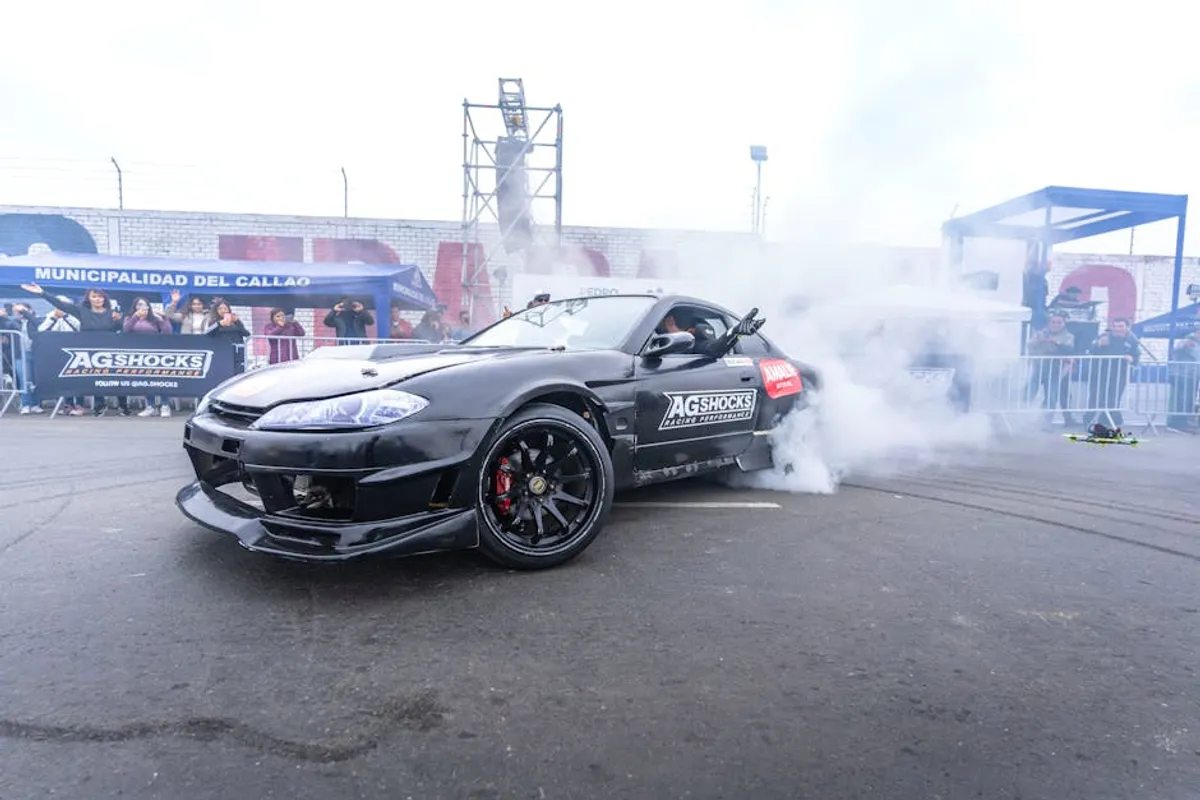
The Nissan Silvia series, particularly models like the S13, S14, and S15, was engineered as a lightweight, rear-wheel-drive sports coupe. Its design prioritizes driver engagement, balanced chassis dynamics, and a strong platform for aftermarket modification. These vehicles are typically chosen for spirited driving, track use, or as project cars for performance tuning and aesthetic customization.
In contrast, the Ford F-150 is America's best-selling full-size pickup truck, built on a body-on-frame chassis. Its design centers on capability: robust towing, significant payload capacity, and the durability required for demanding work or off-road conditions. F-150 models offer a range of cab configurations, bed lengths, and engine options to suit diverse utility requirements, from construction sites to family road trips.
Best for:
- Nissan Silvia: Enthusiast driving, track days, drifting, custom builds, automotive show participation.
- Ford F-150: Towing trailers, hauling cargo, off-road adventures, daily commuting for families or tradespeople, heavy-duty work.
Performance and Driving Dynamics
The Silvia's performance is defined by its agility and responsive handling. Equipped with turbocharged four-cylinder engines (like the SR20DET), it delivers a power-to-weight ratio conducive to quick acceleration and dynamic cornering. The rear-wheel-drive layout makes it a favorite for drifting and precise control. Driving a Silvia is an immersive experience, often described as raw and connected to the road, appealing to those who value feel over refinement.
The F-150's performance is measured by its brute strength and versatility. Modern F-150s offer a range of powerful engines, including V6 EcoBoost, V8, and hybrid powertrains, designed for high torque output. This translates directly into impressive towing capacities, often exceeding 10,000 pounds, and substantial payload ratings. While large, the F-150 provides a commanding driving position and a generally comfortable ride, especially in higher trims, but its handling characteristics are those of a large utility vehicle, not a sports car.
Practicality and Utility Considerations
Practicality is where the two vehicles diverge most sharply. A Nissan Silvia is a 2+2 coupe, meaning its rear seats are often vestigial, suitable only for small children or extra luggage. Trunk space is limited, and its low ground clearance restricts it to paved roads. Its utility is almost exclusively personal enjoyment and performance.
The F-150, by design, is a utility workhorse. Its open bed provides unparalleled cargo capacity for tools, equipment, recreational gear, or building materials. Available in Regular Cab, SuperCab, and SuperCrew configurations, it can comfortably seat up to six adults, making it a viable family vehicle. The F-150's higher ground clearance and available four-wheel drive systems enable it to tackle challenging terrain and adverse weather conditions, significantly expanding its practical utility.
Pro Tip: When evaluating a Ford F-150, pay close attention to the specific engine and axle ratio. These components directly impact its maximum towing and payload capacities. An F-150 with a 3.5L EcoBoost V6 and a higher axle ratio (e.g., 3.55 or 3.73) will offer significantly greater capability than one with a smaller engine or a "taller" axle ratio, even within the same model year.
Ownership Experience and Market Availability
Owning a Nissan Silvia, particularly in regions outside of Japan, often involves navigating the complexities of importing a used JDM (Japanese Domestic Market) vehicle. This can entail specific registration processes, emissions compliance checks, and sourcing parts from specialized suppliers. The Silvia community is robust, offering a wealth of knowledge and aftermarket support, but it requires an owner willing to engage with this enthusiast culture. Maintenance can be more specialized and potentially costly due to the age and origin of many Silvias.
The Ford F-150, being a mass-market vehicle, offers a starkly different ownership experience. It is widely available new and used through an extensive dealer network. Parts are readily accessible, and nearly any mechanic can service them. While new F-150s can be expensive, a vast used market exists, offering models across a wide price range. Fuel economy for both vehicles varies significantly based on engine, driving style, and modifications (for Silvia), but generally, the Silvia, with its smaller displacement, tends to be more fuel-efficient than most F-150 configurations. If you're leaning towards the F-150, consider consulting a detailed Ford F-150 buying guide for insights on trims, engines, and practical tips.
Aligning Your Purchase with Your Lifestyle
The choice between a Nissan Silvia and a Ford F-150 is fundamentally a decision about priorities. If your primary goal is an engaging, customizable driving experience, focused on performance and enthusiast culture, the Silvia offers a unique and rewarding path. It is a vehicle for those who value the journey of ownership as much as the destination, often involving personal modification and a connection to a specific automotive subculture.
Conversely, if your needs revolve around practical utility, the ability to haul, tow, transport family, or navigate challenging environments, the F-150 is the clear choice. It represents a robust, versatile tool designed to handle a wide array of tasks reliably. Your decision should be guided by a clear assessment of your daily requirements, recreational activities, and long-term automotive objectives. These are not interchangeable vehicles; they serve distinctly different masters.
Frequently Asked Questions
Is the Nissan Silvia a good daily driver?
For many, a Nissan Silvia can be a daily driver, especially if well-maintained and unmodified. However, its limited passenger and cargo space, older safety features, and potential for specialized maintenance make it less practical than a modern sedan or SUV for general commuting needs.
What is the typical fuel economy for a Ford F-150?
Fuel economy for a Ford F-150 varies significantly by engine, drivetrain (2WD vs. 4WD), and specific configuration. Modern F-150s with EcoBoost V6 engines can achieve EPA estimates in the low to mid-20s MPG on the highway, while V8 or heavy-duty configurations may see lower figures.
Are Nissan Silvias difficult to find in the U.S.?
Yes, Nissan Silvias (especially the S13, S14, and S15 generations) are not common in the U.S. market as they were never officially sold there. They are typically imported under the 25-year rule for classic vehicles, making them specialized finds often requiring import brokers and specific compliance checks.
Can a Ford F-150 be used for off-roading?
Absolutely. Many Ford F-150 models, particularly those equipped with 4x4 drivetrains and specific off-road packages (like the FX4 or Tremor, and especially the Raptor), are highly capable off-road vehicles. These often include features such as skid plates, locking differentials, and specialized suspension systems.