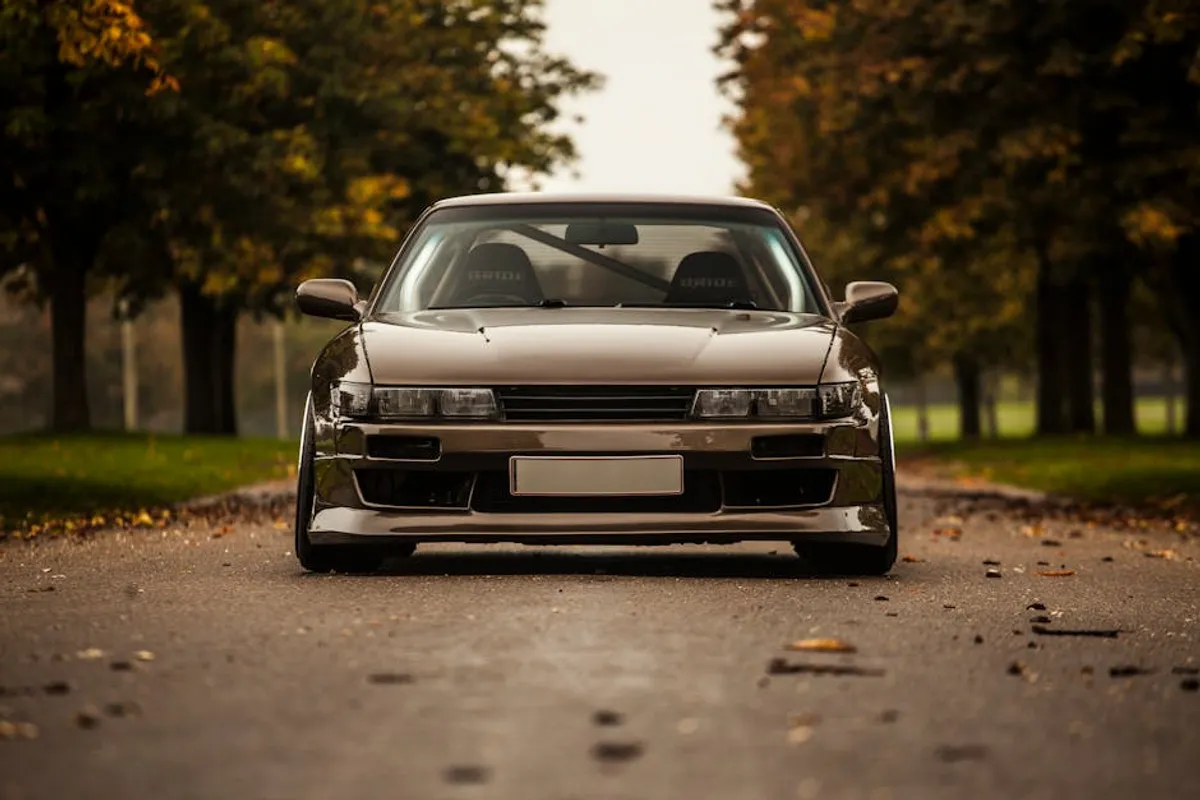
The Nissan Silvia, an icon of Japanese sports car culture, commands significant attention for its balanced chassis, responsive engines, and extensive aftermarket support. Its reputation as a highly tunable platform for drifting and performance driving has cemented its place among enthusiasts. However, for prospective owners and those seeking to maintain their investment, understanding the real-world reliability of a Silvia is critical. This isn't a car known for appliance-like dependability, particularly given its age and common history of modification. Instead, its reliability is a function of diligent maintenance, informed ownership, and a clear understanding of its inherent weaknesses.
The Silvia's appeal often stems from its SR20DET and CA18DET engines, which offer a strong foundation for performance. Yet, these engines, along with the chassis and electrical systems, are now decades old. Their longevity and consistent performance depend heavily on how they've been treated throughout their life. This article outlines the common issues encountered by Silvia owners and provides practical tips to mitigate risks, ensuring a more predictable and enjoyable ownership experience.
Common Engine Problems
The heart of the Silvia, particularly the SR20DET, is known for its robust design when stock. However, modifications and age introduce specific vulnerabilities.
- VTC (Variable Timing Cam) Rattle: A common issue on SR20DET engines, particularly S14 and S15 models, manifesting as a metallic rattle from the front of the engine at idle or low RPMs. While often not immediately catastrophic, it indicates wear in the VTC sprocket and can lead to reduced performance or, in severe cases, timing issues.
- Oil Starvation (CA18DET): The CA18DET engine is notorious for oil starvation issues, especially under hard cornering or with low oil levels, leading to premature bearing wear and potential rod knock. This is often exacerbated by inadequate oil pump design and sludge buildup from neglected oil changes.
- Turbocharger Wear: The factory Garrett T25/T28 turbochargers are susceptible to wear over time, particularly the journal bearings. Symptoms include excessive smoke from the exhaust (blue/white), oil consumption, and reduced boost pressure. This is accelerated by aggressive tuning or insufficient cool-down periods after spirited driving.
- Head Gasket Failure: While less common on stock engines, head gasket issues can arise from overheating, poor tuning, or excessive boost pressures in modified setups. Signs include coolant loss, white smoke, or oil in the coolant.
- Ignition System Degradation: Aging ignition coils and spark plugs can lead to misfires, rough idle, and reduced power. This is a relatively inexpensive fix but often overlooked.
Transmission and Drivetrain Issues
Silvia transmissions are generally durable, but age and aggressive driving take their toll.
- Synchro Wear: Second and third gear synchros are common failure points, especially in cars that have seen track use or aggressive shifting. This results in grinding during shifts.
- Clutch Slave Cylinder Failure: The clutch slave cylinder is a hydraulic component prone to leaks or internal seal failure, leading to a soft pedal, difficulty engaging gears, or complete clutch disengagement.
- Differential Bushings: Worn differential bushings can cause clunking noises during acceleration or deceleration, indicating excessive movement of the differential.
Chassis and Suspension Concerns
The Silvia's handling prowess relies on a tight chassis, but components degrade over time.
- Suspension Bushing Deterioration: Rubber bushings throughout the suspension (control arms, sway bars, subframe) crack and degrade, leading to vague handling, clunking noises, and uneven tire wear.
- Steering Rack Leaks: Power steering racks can develop leaks, particularly around the boots, leading to fluid loss and potential steering pump failure if not addressed.
- Tie Rod Ends and Ball Joints: These wear items can develop play, affecting steering precision and tire wear.
Electrical and Interior Problems
As with many cars of its era, electrical gremlins are not uncommon.
- Window Motors: Power window motors and regulators frequently fail, leading to slow or inoperable windows.
- Aging Wiring Harnesses: Brittle or corroded wiring can cause intermittent issues with lighting, gauges, or engine sensors.
- Dashboard Cracks: Sun exposure often leads to cracking dashboards, a common cosmetic flaw.
Rust
Rust is a significant concern, particularly in regions with harsh winters or coastal environments.
- Common Rust Areas: Sills, wheel arches, strut towers, and the boot floor are prime locations for rust to develop. Neglected underbody rust can compromise structural integrity.
Pro Tip: When evaluating a Nissan Silvia, prioritize cars with a comprehensive service history, especially those with documented oil changes and fluid flushes. For modified examples, demand proof of professional tuning and high-quality parts. A pre-purchase inspection by a specialist familiar with JDM sports cars is non-negotiable; focus on compression tests, leak-down tests, and thorough rust checks, particularly on the chassis and subframe mounting points.
Owner Tips for Longevity and Performance
Proactive maintenance and informed decisions are key to enjoying a reliable Silvia.
Pre-Purchase Inspection (PPI):
Before purchasing, arrange for a specialist mechanic to conduct a detailed inspection. This should include:
- Compression and Leak-Down Test: Essential for assessing engine health, especially for turbocharged engines.
- Underbody Rust Check: Pay close attention to frame rails, strut towers, and jacking points.
- Fluid Analysis: Check oil, coolant, and transmission fluid for contamination or signs of neglect.
- Turbocharger Play: Inspect for shaft play in the turbocharger, indicating bearing wear.
Regular Maintenance Schedule:
Adhere to or even shorten factory service intervals.
Best for: Preventing component failure and maintaining optimal performance.
- Oil Changes: Use high-quality synthetic oil and change it every 3,000-5,000 miles, especially for modified or aggressively driven cars.
- Coolant System: Flush coolant every 2-3 years and inspect hoses, radiator, and water pump.
- Timing Chain/Belt: For SR20DET, inspect the timing chain tensioner; for CA18DET, adhere to the timing belt replacement schedule.
- Spark Plugs: Replace regularly with the correct heat range, particularly in modified engines.
Addressing Modifications Thoughtfully:
Modifications can enhance performance but often introduce new reliability challenges.
Best for: Ensuring modifications contribute positively to the car's longevity.
- Quality Parts: Invest in reputable aftermarket components. Cheap parts often lead to premature failure.
- Professional Tuning: Any significant engine modification (e.g., turbo upgrade, injectors) requires professional ECU tuning to prevent engine damage.
- Supporting Mods: Ensure fuel, cooling, and braking systems are upgraded to match increased power output.
Fluid Management:
Using the correct fluids and ensuring they are at proper levels is crucial.
Best for: Protecting critical components like the engine, transmission, and differential.
- Differential Fluid: Change regularly, especially if using an LSD or driving hard.
- Transmission Fluid: Use the specified GL-4 fluid for manual transmissions and change according to manufacturer recommendations.
Rust Prevention:
Proactive measures can significantly extend the life of the chassis.
Best for: Preserving structural integrity and resale value.
- Undercoating: Apply a protective undercoating, especially in rust-prone areas.
- Regular Cleaning: Wash the underside of the car to remove salt and dirt buildup.
- Address Early: Repair any small rust spots promptly before they spread.
Making an Informed Ownership Decision
The Nissan Silvia offers a rewarding driving experience, but its reliability is directly proportional to the care it receives. Prospective buyers must approach these vehicles with a critical eye, prioritizing examples with documented histories and minimal signs of neglect or poorly executed modifications. Current owners benefit from a rigorous maintenance schedule, using quality parts, and addressing issues proactively. By understanding the common problems and implementing these owner tips, you can significantly enhance the longevity and enjoyment of your Silvia, ensuring it remains a capable and cherished sports car for years to come.
Frequently Asked Questions
Are Nissan Silvias generally reliable?
Nissan Silvias, particularly with the SR20DET engine, are mechanically robust in stock form. However, their age, common history of modifications, and potential for neglect mean that overall reliability largely depends on individual car history, maintenance, and how it has been driven.
What is the most common problem with a Nissan Silvia?
Common issues vary by model, but across the range, age-related problems like rust (especially on sills and wheel arches), worn suspension bushings, and electrical gremlins (e.g., power windows) are frequent. Engine-specific issues include VTC rattle on SR20DETs and oil starvation concerns on CA18DETs.
How can I improve the reliability of my Nissan Silvia?
Improve reliability by adhering to an accelerated maintenance schedule, using high-quality fluids and parts, addressing any modifications with professional tuning, and proactively preventing rust. Regular inspections and prompt repair of minor issues prevent them from escalating.
Is it expensive to maintain a Nissan Silvia?
Maintenance costs for a Silvia can vary. Routine servicing is comparable to other older sports cars, but parts for specific JDM components or specialized repairs can be more expensive and harder to source. Costs significantly increase for neglected cars or those with extensive, poorly executed modifications.