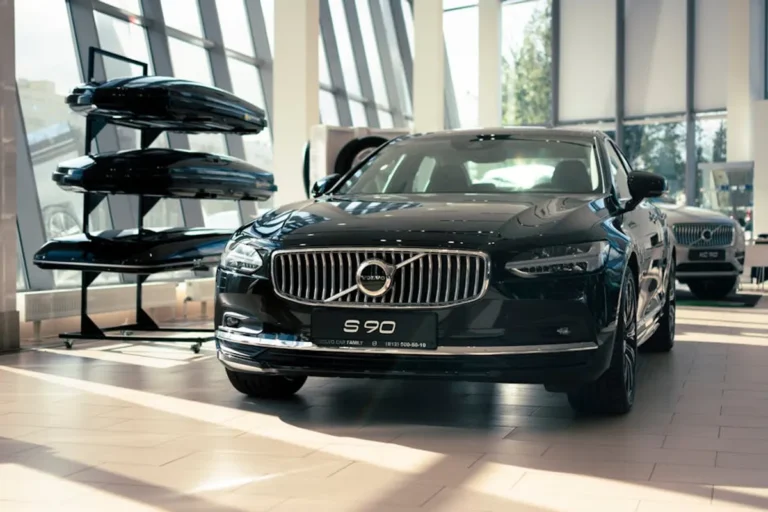
The concept of automotive beauty transcends mere aesthetics, acting as a powerful driver of brand legacy, market value, and cultural impact. For marketers, publishers, and automotive professionals, understanding what defines a "beautiful car" isn't just an exercise in taste; it's a deep dive into design principles, engineering innovation, and the psychological levers that create lasting desire and collectibility. Iconic designs become visual anchors for brands, influencing everything from advertising campaigns to long-term market positioning and the valuation of classic assets. This exploration focuses on the design hallmarks and historical significance of vehicles widely regarded as pinnacles of automotive artistry, examining the commercial implications of their enduring appeal.
Defining Automotive Aesthetics: Beyond Subjectivity
While personal preference plays a role, objective design principles underpin cars universally acclaimed for their beauty. These principles include:
- Proportion: The harmonious relationship between different parts of the car (e.g., wheelbase to overall length, cabin size to engine bay). Balanced proportions create a sense of stability and elegance.
- Line and Flow: The continuous, uninterrupted sweep of body panels, guiding the eye smoothly from front to rear. A well-executed line minimizes visual clutter and enhances aerodynamic perception.
- Stance: How a car sits on its wheels, conveying power, agility, or luxury. A wide track and low profile often suggest performance, while a higher, more upright stance might imply robustness.
- Surfacing: The way light interacts with the car's body panels, creating reflections and shadows that define its form. Complex, yet clean, surfacing can give a car a sculptural quality.
- Originality and Innovation: Designs that break new ground while remaining timeless, often introducing elements that become industry benchmarks.
Epochal Designs and Their Enduring Influence
Certain vehicles stand out not just for their immediate appeal, but for their lasting influence on automotive design and their sustained commercial value in the collector market.
Pre-War Elegance: Bugatti Type 57SC Atlantic
The Bugatti Type 57SC Atlantic, particularly the "La Voiture Noire" variant, represents the zenith of pre-war Art Deco design. Its defining feature, a riveted dorsal seam, was originally a practical necessity for its Elektron (magnesium alloy) body, but it became an iconic aesthetic element.
Design Impact: Its teardrop shape and low-slung profile were revolutionary, influencing streamlined designs for decades. The car's extreme rarity (four built, three extant) and bespoke craftsmanship contribute to its unparalleled valuation, making it a benchmark for automotive investment and historical significance.
Post-War Innovation: Mercedes-Benz 300SL Gullwing
Introduced in 1954, the Mercedes-Benz 300SL Gullwing fused racing pedigree with groundbreaking design. Its most distinctive feature, the upward-opening "gullwing" doors, was born from structural necessity due to its tubular spaceframe chassis.
Design Impact: The Gullwing's clean lines, pronounced wheel arches, and powerful stance set a new standard for sports car aesthetics. Its unique doors became an instant icon, cementing its place as a design masterpiece and a highly sought-after collectible. The car's blend of performance engineering and visual drama provided a blueprint for subsequent high-performance luxury vehicles.
Italian Masterpieces: Ferrari 250 GTO and Lamborghini Miura
The 1960s saw an explosion of Italian automotive design, with two models epitomizing different facets of beauty.
Ferrari 250 GTO (1962-1964)
The 250 GTO is often cited as the most valuable and beautiful car ever. Its form is purely functional, designed for aerodynamic efficiency on the racetrack, yet it achieved an almost perfect aesthetic balance.
Design Impact: Its long hood, short tail, and muscular haunches convey speed and power. The car's purposeful, sculpted lines and minimal ornamentation speak to a beauty derived from engineering integrity. This "form follows function" philosophy, executed with Italian flair, has made it a timeless icon and a consistent record-breaker in auction values.
Lamborghini Miura (1966-1973)
Designed by Marcello Gandini at Bertone, the Miura redefined the supercar. Its transverse mid-engine layout allowed for a cab-forward design with an incredibly low, wide, and sleek profile.
Design Impact: The Miura's sensuous curves, "eyelash" headlights, and dramatic side vents created an unprecedented visual spectacle. It was a car that looked fast even when standing still, challenging traditional notions of luxury and performance. The Miura established Lamborghini as a design-forward brand and set the template for the modern supercar.
British Icon: Jaguar E-Type
Unveiled in 1961, Enzo Ferrari famously called the Jaguar E-Type "the most beautiful car ever made." Its long bonnet, flowing fenders, and distinctive oval grille made it an instant classic.
Design Impact: The E-Type combined breathtaking aesthetics with impressive performance for its era, and crucially, offered it at a relatively accessible price point initially. Its elegant proportions and sensual curves made it a symbol of the swinging sixties, demonstrating that beauty could be both aspirational and attainable, driving significant sales volumes and enduring brand recognition.
Pro Tip for Content Strategy: When curating visual content or developing brand narratives around automotive topics, focus on cars that embody clear design principles. Highlighting the "why" behind their beauty—whether it's aerodynamic necessity, innovative engineering, or cultural symbolism—provides richer context and resonates more deeply with an informed audience than a simple list of subjective favorites. This approach enhances commercial utility by connecting aesthetics to value and legacy.
Modern Interpretations and Timelessness
While classic cars often dominate discussions of beauty, modern designs continue to push boundaries while sometimes referencing historical cues.
Porsche 911 (Continuous Evolution)
The Porsche 911, across its many generations, exemplifies evolutionary design. While constantly updated, its core silhouette—a recognizable, compact, rear-engined sports car—has remained largely consistent since 1963.
Design Impact: The 911's beauty lies in its functional purity and continuous refinement. Each iteration improves performance and safety, yet retains the classic proportions and distinctive round headlights. This commitment to an evolving yet recognizable aesthetic has built one of the strongest and most loyal brand followings in the automotive world, demonstrating the commercial power of consistent, high-quality design.
Leveraging Automotive Design for Commercial Advantage
For publishers and marketers in the automotive space, understanding these design benchmarks offers several commercial opportunities:
- Enhanced Content Engagement: Articles and visual assets featuring these iconic cars consistently draw high engagement due to their intrinsic appeal and cultural significance.
- Brand Storytelling: Connect modern design trends or brand heritage to these historical exemplars, enriching narratives and establishing authority.
- SEO Value: Long-tail keywords related to specific models, designers, and design eras attract highly targeted, passionate audiences.
- Merchandising and Licensing: The enduring appeal of these designs translates into opportunities for licensed products, prints, and memorabilia, extending brand reach and revenue streams.
- Event and Experience Marketing: Features at auto shows, concours events, and classic car rallies draw significant attention, creating valuable promotional platforms.
The Enduring Appeal of Automotive Masterpieces
The "most beautiful cars of all time" are more than just vehicles; they are rolling sculptures that embody peak design, engineering, and cultural aspirations of their eras. Their beauty is often a product of ingenious problem-solving, artistic vision, and a relentless pursuit of perfection. For businesses operating within or adjacent to the automotive sector, recognizing and articulating the specific elements that contribute to this timeless appeal is crucial. It informs content strategy, marketing narratives, and product development, ensuring that the legacy of these designs continues to drive commercial value and captivate audiences globally.
Frequently Asked Questions
What makes a car design "timeless"?
Timeless designs are characterized by balanced proportions, clean lines, and an absence of overly trendy or superfluous elements. They often prioritize fundamental aesthetic principles over fleeting fads, allowing them to remain appealing across decades.
How do car designs influence brand perception and value?
Iconic designs create strong brand identities, fostering emotional connections with consumers. A visually distinctive and admired car can elevate an entire brand's image, contributing to higher resale values for both classic and contemporary models, and enhancing brand loyalty.
Is automotive beauty purely subjective, or are there objective criteria?
While personal preference exists, objective criteria like proportion, balance, surfacing, and originality are widely recognized by designers and enthusiasts as contributing to a car's aesthetic merit. These principles often lead to broad consensus on what constitutes a "beautiful" design.
Do modern cars achieve the same level of beauty as classics?
Modern cars face different constraints (e.g., safety regulations, aerodynamics for efficiency, digital integration), which influence design. While many modern vehicles are highly attractive and innovative, the "beauty" of classics often comes from their purity of form, unburdened by some contemporary requirements. However, new designs continue to emerge that push aesthetic boundaries.