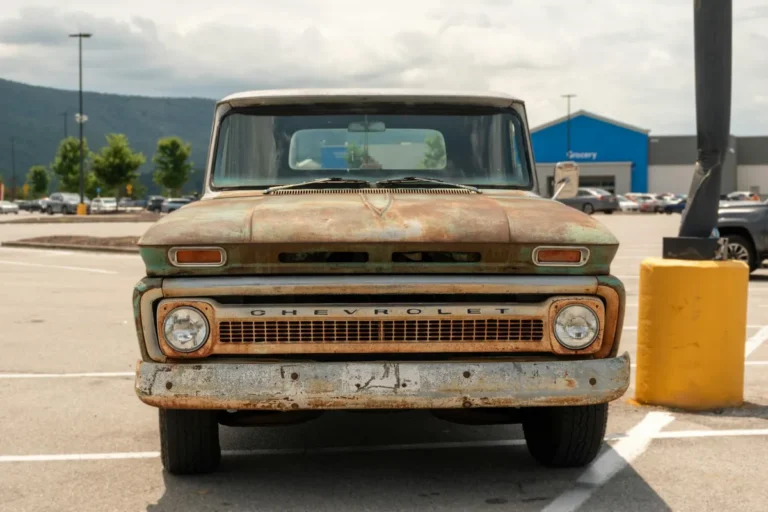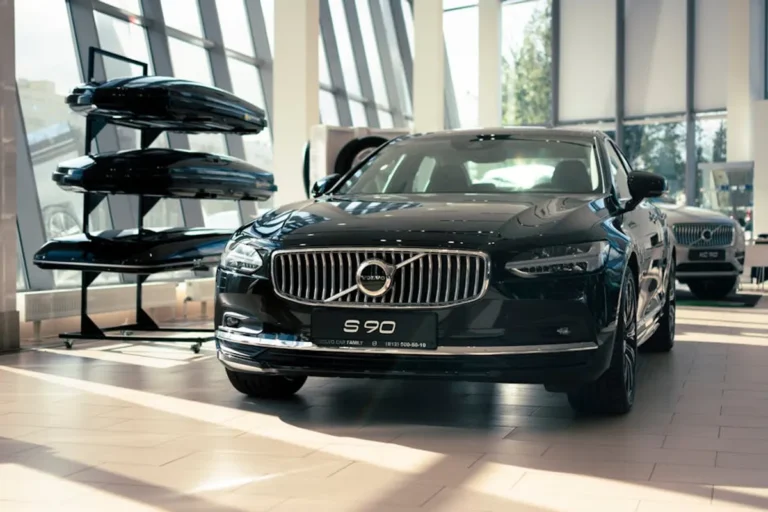
The mid-cycle refresh has been a standard feature of automotive product planning for as long as the modern auto industry has existed. The basic concept — refresh a vehicle's styling, technology, and certain mechanical features at approximately the midpoint of its production lifecycle to maintain market relevance without the cost of a full redesign — has been built into the product planning cycles of essentially every major manufacturer for decades.
What has been happening over the past two years is that the mid-cycle refresh calendar has been slipping noticeably across multiple manufacturers. Refreshes that were scheduled for delivery in 2024 and 2025 have been pushed into 2026 and beyond. Some refreshes have been quietly cancelled with the affected vehicles continuing production at their pre-refresh specifications until the next full redesign. The pattern is consistent enough across enough manufacturers to warrant attention, and the dynamics behind it tell us something specific about where the industry actually is right now.
What the standard refresh cycle has historically looked like
The standard mid-cycle refresh for a passenger vehicle has historically delivered approximately three years into a six-to-seven-year production cycle. The refresh typically includes updated front and rear styling treatments, updated interior trim and technology, and selective updates to powertrain or chassis specifications. The investment level for a refresh is substantially below the cost of a full redesign — generally in the low hundreds of millions of dollars for a major vehicle compared to a billion-plus for a full redesign.
The strategic purpose of the refresh has been to maintain showroom relevance in the middle of a vehicle's lifecycle when the original-launch novelty has faded and competitor vehicles have entered the market with their own newer-design appeal. The refresh allows the manufacturer to incorporate technology that has developed since the original launch, to address customer feedback that has accumulated during the production run, and to give the dealer network a meaningful update to communicate to repeat customers and conquest customers.
The refresh calendar has historically been one of the more reliable features of the industry's product planning. The lead times for major styling and engineering work require the refresh to be planned years in advance, and the production-cycle commitments to dealers and to the supplier base have generally kept the refreshes close to their planned schedules even during downturns.
What has been happening over the past two years
The slippage in the refresh schedule has been visible across multiple manufacturers and multiple vehicle categories. Specific examples that have been publicly disclosed or that are visible in the product communication include several major North American truck programs whose refreshes have been pushed back, several mainstream sedan and crossover programs that have either been pushed back or cancelled outright, and several premium-brand programs that have had their refreshes adjusted in scope or timing.
The communication around the schedule changes has generally been quiet rather than highlighted. The manufacturers have not generally announced refresh delays in the way they announce new-vehicle launches, and the schedule changes have often become visible through the absence of expected refresh content at trade shows or through the model-year continuation announcements that confirm the vehicle is continuing in its current specification.
The dealer-side reporting has been more direct in many cases. Dealer councils and the dealer trade publications have been increasingly explicit about the slowing refresh pace, with dealer principals expressing concern about the showroom freshness implications and about the marketing positioning of vehicles that are entering the latter part of their lifecycles without the refresh that the dealers had been planning to use as customer-communication content.
The capital allocation dynamics
The principal driver of the refresh slippage appears to be capital allocation pressures across the industry. The investment requirements for EV development, for battery supply chain investment, for software and connected-vehicle development, and for the various other near-term strategic priorities have been substantial, and the funding has to come from somewhere within each manufacturer's capital budget.
The mid-cycle refresh is one of the natural places to find capital that can be redeployed to higher-priority programs. The refresh is delaying a planned investment rather than cancelling it outright in most cases, which means the financial impact on the affected vehicles is a slowing of competitive position rather than an immediate revenue impact. The vehicle continues to sell at its current specification, the program continues to generate revenue, and the saved refresh investment can be redirected to programs that the manufacturer's strategic planning has prioritized.
The trade-off is not without costs. The vehicles that miss their planned refreshes do generally show market share erosion as they age past the refresh point without the competitive update. The dealer network does experience showroom-traffic implications. The brand-level perception of product freshness does take a measurable hit when a manufacturer's portfolio is visibly aging without the expected updates. The capital allocation logic has been favoring the strategic-investment side of the trade-off, but the costs on the refresh-deferral side are real and accumulating.
What the supplier base is seeing
The supplier base has been seeing the refresh deferrals through the program-volume commitments and through the engineering-services requests that would normally accompany the refresh planning. The styling-services suppliers, the interior-trim suppliers, the technology-content suppliers, and the various other supplier categories that participate in refresh programs have all been reporting reduced refresh-program activity over the past two years.
The capacity implications for the supplier base are mixed. The reduced refresh activity has freed up engineering and tooling capacity for the supplier base, which has been able to redeploy that capacity to the EV programs and the other strategic programs that are growing. The freed capacity has not necessarily found a perfect match with the growing-program requirements — the skill sets and tooling capabilities involved are not always fungible across vehicle programs — but the net effect has been manageable for most suppliers.
The longer-term concern for the supplier base is that the refresh-deferral pattern, if it continues, would erode an important component of the supplier-OEM business cycle. The refreshes have historically provided a relatively predictable cadence of engineering and tooling work that has supported the supplier-base capacity planning. A future in which refreshes happen less frequently or less reliably would require the supplier base to adjust its capacity strategy in ways that are not yet fully worked through.
What the strategic implications look like
The strategic implications of the refresh slippage extend beyond the individual vehicle programs that are most directly affected. The competitive position of the affected manufacturers in specific segments depends partly on the freshness of their portfolio, and a portfolio that visibly ages without the expected updates can lose market share to competitors whose refresh calendars have stayed on schedule.
The portfolios that are most exposed to refresh-related competitive pressure are the portfolios in segments where the competitive set is changing rapidly and where consumer attention to product freshness is high. The mainstream crossover segment, the affordable EV segment, and several other categories where competitive intensity has increased over the past several years are the categories where refresh deferrals are most likely to produce measurable share impacts.
The portfolios that are less exposed include the categories where competitive turnover is slower, where the model loyalty among existing customers is high, and where the dealer-network relationship can sustain customer interest through extended production runs. The full-size truck segment in particular has historically tolerated longer production cycles before customer interest erodes, and the refresh deferrals on truck programs have generally been less consequential than the deferrals on car and crossover programs.
What the recovery probably looks like
The refresh calendar will probably normalize as the current strategic-investment cycle works through its peak capital intensity over the next several years. The EV investment commitments are substantially set for the next several years, the supply chain investment is principally committed, and the capital that has been pulled from refresh programs to fund the strategic initiatives will probably be available again as those initiatives move from initial investment phase to operational phase.
The recovery pace will vary by manufacturer based on each manufacturer's specific capital situation and strategic priorities. The manufacturers with the strongest current cash generation will probably restore the refresh cadence faster than the manufacturers with tighter capital positions. The manufacturers whose strategic investment programs are running ahead of schedule will probably free capital for refreshes faster than those whose programs are absorbing more capital than originally projected.
The refresh-deferral period has been a quiet but meaningful feature of the industry's current condition. The strategic priorities that have driven the deferrals are real and important, but the trade-offs are also real and are working through the portfolios in ways that will affect competitive position over the next several years. The industry observers who are paying attention to the refresh calendar can see the picture that the strategic-announcement language sometimes obscures — an industry that is making real choices under real capital constraints, with consequences that will play out in the showrooms over the next several years.