The decision between acquiring a McLaren F1 and an EV pickup truck represents a fundamental divergence in automotive priorities. These vehicles occupy opposite ends of the spectrum in terms of design, engineering, and intended use. One is a rare, analog hypercar celebrated for its pure driving experience and investment potential; the other is a modern utility vehicle prioritizing capability, technology, and environmental considerations. This guide dissects their core attributes to help clarify which vehicle aligns with your specific needs, whether those lean towards unparalleled performance artistry or versatile, sustainable practicality.
Understanding the McLaren F1's Appeal
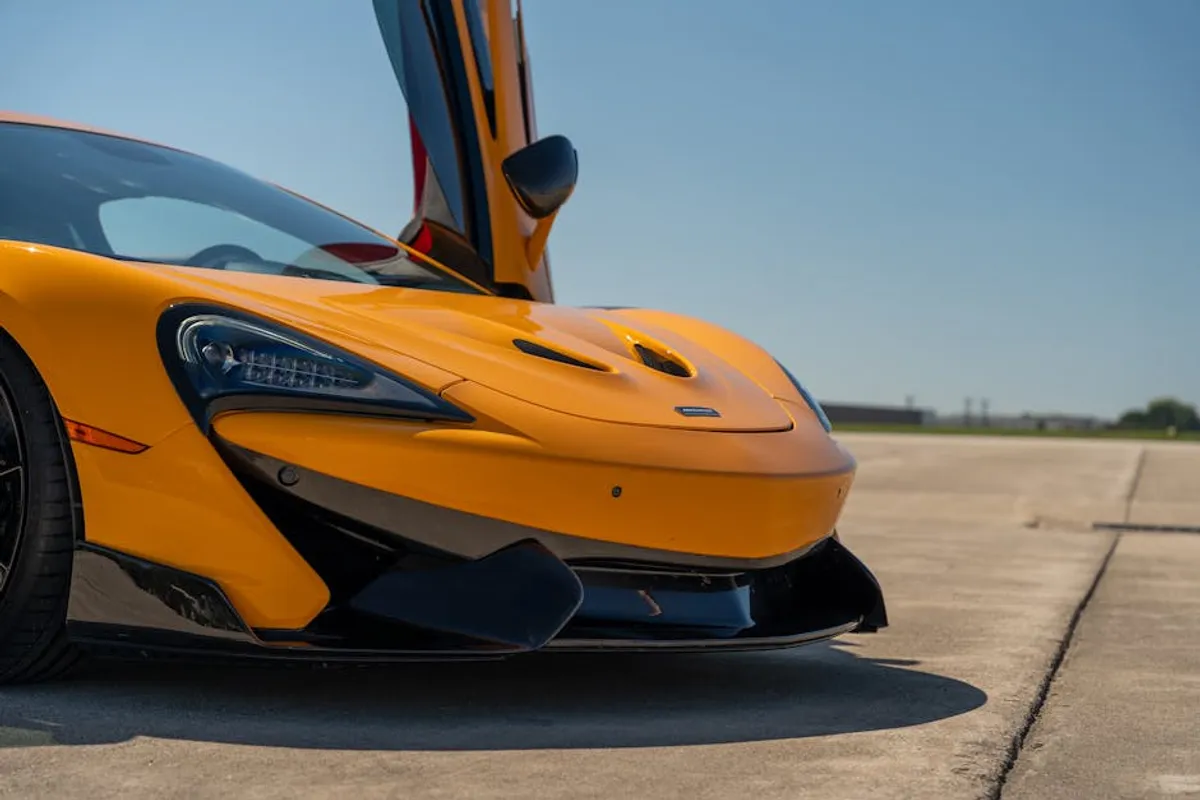
The McLaren F1 is not merely a car; it is an automotive legend, a pinnacle of engineering from its era. Conceived by Gordon Murray, its design prioritizes driver focus and lightweight construction. Only 106 units were ever produced, including prototypes and race versions, making it an exceptionally rare commodity. Its appeal is rooted in exclusivity, historical significance, and a driving experience that remains largely unmatched.
The Hypercar Icon: Rarity, Performance, and Investment
At its heart, the F1 is powered by a naturally aspirated 6.1-liter BMW V12 engine, producing 627 horsepower. This power, coupled with a curb weight of just 1,140 kg (2,513 lbs) due to extensive use of carbon fiber and exotic materials, allowed it to achieve a verified top speed of 240.1 mph (386.4 km/h), a record for production cars for over a decade. Its 0-60 mph time is approximately 3.2 seconds. This raw, unassisted performance defines its iconic status. For collectors, the F1 has demonstrated significant appreciation, transitioning from a multi-million dollar purchase to an asset that commands tens of millions today, often exceeding its original inflation-adjusted price.
Best for:
- Collectors seeking a historically significant and appreciating automotive asset.
- Enthusiasts prioritizing an uncompromised, analog driving experience.
- Individuals with the financial capacity for hypercar maintenance and storage.
Driving Purity and Engineering
The F1’s central driving position, flanked by two passenger seats, emphasizes the driver's connection to the machine. There are no electronic driver aids like traction control or ABS in its purest form, demanding skill and precision from the operator. The manual gearbox and hydraulic steering provide unfiltered feedback, creating an immersive experience that modern, digitally enhanced vehicles often cannot replicate. Its engineering details, such as the gold foil lining in the engine bay for heat dissipation, underscore its no-compromise design philosophy.
Exploring the EV Pickup Truck's Utility
In stark contrast, the EV pickup truck represents the cutting edge of automotive utility and technology. These vehicles are designed for a broad range of practical applications, from daily commuting and family transport to heavy-duty towing and off-road exploration. Their appeal lies in their versatility, immediate torque delivery, and reduced environmental footprint.
Modern Capability and Practicality
EV pickups offer substantial utility. Models like the Ford F-150 Lightning, Rivian R1T, and GMC Hummer EV pickup boast significant towing capacities, often exceeding 10,000 pounds, and large cargo beds. Their electric powertrains deliver instant torque, making them highly responsive for hauling and accelerating under load. Many feature advanced four-wheel-drive systems, air suspension, and high ground clearance, enhancing their off-road prowess. Inside, they typically offer spacious cabins, advanced infotainment systems, and numerous connectivity features, making them suitable for both work and leisure.
Best for:
- Individuals requiring significant towing and hauling capabilities.
- Drivers seeking a versatile vehicle for daily commuting, family use, and outdoor activities.
- Buyers prioritizing lower running costs through electric charging and reduced maintenance.
Technological Edge and Sustainability
Beyond utility, EV pickups are technology showcases. They often integrate advanced driver-assistance systems, over-the-air software updates, and innovative features like bidirectional charging, allowing the truck to power tools or even a home. Their electric propulsion system produces zero tailpipe emissions, aligning with sustainability goals and potentially qualifying for various government incentives. The quiet operation and smooth power delivery also contribute to a refined driving experience, distinct from traditional internal combustion engine vehicles.
Direct Comparison: Key Decision Factors
When considering a McLaren F1 versus an EV pickup, the choice hinges on fundamentally different priorities:
Performance: Raw Speed vs. Usable Power
The McLaren F1's performance is about outright speed and acceleration, designed for the track or high-performance driving. Its 0-60 mph time and top speed figures are benchmarks. An EV pickup, while capable of impressive 0-60 mph times (some models achieve under 4 seconds), leverages its power differently. The instant torque is optimized for towing, off-roading, and brisk acceleration in everyday scenarios, rather than setting lap records. This comparison highlights the stark differences when considering off-road trucks versus the McLaren F1 for different driving needs.
Practicality: Daily Driver vs. Collector's Item
An EV pickup truck is engineered for daily usability. It offers multiple seats, substantial cargo space, and the ability to navigate varied terrain and weather conditions. Its charging infrastructure, while still evolving, is becoming increasingly accessible. The McLaren F1, conversely, is impractical for daily use. Its low ground clearance, limited cargo capacity, and delicate nature make it a weekend toy or a garage queen, typically reserved for special occasions or track days.
Pro Tip: Evaluate your primary use case precisely. If your driving involves frequent errands, family transport, or utility tasks, the EV pickup offers unmatched versatility. If your automotive passion is purely about collecting, investment, or experiencing the zenith of analog performance, the McLaren F1 stands alone.
Cost of Ownership: Investment vs. Running Costs
The McLaren F1 represents an ultra-high-net-worth investment. Its purchase price is in the tens of millions, and maintenance can be exorbitant, requiring specialized technicians and parts. However, its value has historically appreciated significantly. An EV pickup, while a substantial purchase (often $50,000 to $100,000+), offers lower running costs due to cheaper electricity compared to gasoline and fewer moving parts requiring maintenance. Depreciation is a factor, though specific models may hold value better than others.
Driving Dynamics: Analog Thrill vs. Electric Smoothness
The F1 provides a raw, mechanical, and visceral driving experience. Every input is direct, every sensation amplified. The sound of its V12 engine is integral to the experience. EV pickups offer a different kind of dynamic: quiet, smooth, and powerful. The immediate, linear power delivery is unique, often accompanied by advanced suspension systems and quiet cabins that prioritize comfort and technology integration. The driving experience is refined and effortless, rather than intensely engaging in the F1's sense.
Making Your Choice: Aligning with Priorities
The choice between a McLaren F1 and an EV pickup truck is not about which vehicle is "better," but which is better suited to your lifestyle, financial capacity, and automotive philosophy. If you seek an unparalleled driving machine, a piece of automotive history that appreciates in value, and an experience few others will ever know, the McLaren F1 is the definitive choice. However, if your needs lean towards practical utility, advanced technology, sustainable transportation, and a versatile vehicle capable of handling diverse tasks, an EV pickup truck offers a compelling and modern solution.
Consider:
- Budget and Investment Goals: Are you looking for an appreciating asset or a functional tool with lower running costs?
- Daily Needs: Do you require cargo space, towing capacity, and seating for multiple passengers, or is the vehicle purely for leisure?
- Driving Philosophy: Do you crave raw, analog engagement or prefer quiet, powerful, and technologically advanced convenience?
- Environmental Stance: Is zero-emission driving a priority for you?
Ultimately, these vehicles serve entirely different purposes. Your decision will reflect whether your automotive aspirations are rooted in extreme performance and exclusivity or in practical capability and future-forward utility.
Frequently Asked Questions
Can an EV pickup truck match the speed of a McLaren F1?
While some high-performance EV pickups can achieve impressive 0-60 mph times, often in the 3-second range, they do not match the McLaren F1's top speed of 240 mph or its overall track-focused performance envelope. EV pickups prioritize instant torque for utility and off-road capability, not ultimate top-end speed.
What are the primary maintenance considerations for a McLaren F1?
Maintenance for a McLaren F1 is highly specialized and expensive. It requires specific McLaren-trained technicians, often flown to the car's location, and original parts can be rare and costly. Routine servicing can cost tens of thousands of dollars, and major services can run into six figures.
Is range anxiety a significant concern for EV pickup trucks?
Range anxiety is diminishing as battery technology improves and charging infrastructure expands. Most modern EV pickups offer ranges between 250 and 400 miles on a full charge. For long-distance towing or off-grid adventures, careful planning of charging stops remains advisable, but for typical daily use, it is less of a concern.
Is a McLaren F1 a good investment?
Historically, the McLaren F1 has proven to be an exceptional investment, with values appreciating significantly over time. Its rarity, iconic status, and engineering prowess ensure its desirability among collectors. However, like any investment, future appreciation is not guaranteed, and the high cost of ownership must be factored in.