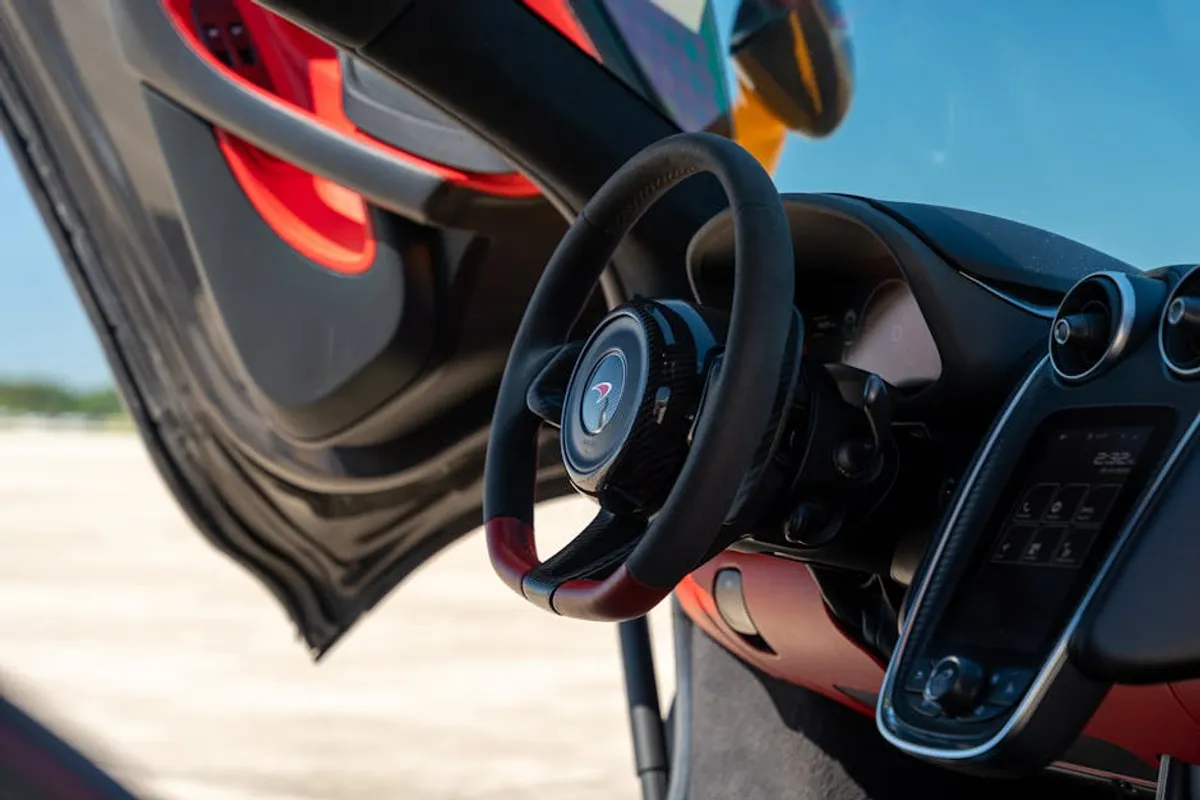
The McLaren F1 occupies a unique stratum in automotive history, revered for its uncompromising performance and pioneering engineering. As with any vehicle pushed to the limits of its design, particularly one from the 1990s utilizing bespoke components, discussions around its reliability are nuanced. Prospective and current owners must understand that the F1's operational demands and maintenance profile differ significantly from series-production supercars. This article details the common challenges encountered in maintaining a McLaren F1 and provides practical insights for ensuring its longevity and preserving its mechanical integrity.
Engineering for Extremes: The McLaren F1's Design Philosophy
The McLaren F1 was conceived as a no-compromise road car, incorporating Formula 1 technology and materials. Its carbon fiber monocoque chassis, gold-lined engine bay for heat dissipation, and custom-built BMW S70/2 V12 engine exemplify a design philosophy prioritizing performance over conventional manufacturing economies. This bespoke approach means that while components are engineered for extreme durability within their operational parameters, they are also highly specific, often hand-fabricated, and consequently, complex to service or replace. The car's rarity (106 units produced, including prototypes and race versions) further compounds the challenges of parts availability and specialized expertise.
Identifying Common Reliability Concerns
While the McLaren F1 is not inherently "unreliable" in the typical sense, its advanced systems and high-performance nature lead to specific areas requiring diligent attention.
Engine and Powertrain Specifics
The 6.1-liter BMW S70/2 V12 engine is a masterpiece, but its high-strung nature and unique design present distinct maintenance considerations. Issues are often related to:
- Heat Management: The engine operates at high temperatures, and while the gold foil lining aids dissipation, the cooling system components (radiators, hoses, pumps) are critical and can degrade over time, leading to overheating if not meticulously maintained.
- Fuel System Integrity: High-pressure fuel pumps, injectors, and fuel lines are under constant stress. Ethanol in modern fuels can also accelerate wear on older components not designed for it, requiring careful fuel selection or system upgrades.
- Clutch Wear: The F1's manual transmission and powerful engine place significant demands on the clutch assembly, which can experience accelerated wear depending on driving style. Replacement is a labor-intensive and costly procedure.
Electrical and Electronic Systems
Despite its analog driving feel, the F1 incorporates sophisticated electronic control units (ECUs) for engine management and other functions. Age-related degradation of wiring harnesses, sensors, and electronic modules can lead to intermittent faults. Diagnosing these issues often requires proprietary diagnostic tools and deep knowledge of the specific system architecture.
Suspension and Chassis Components
The F1’s double-wishbone suspension, designed for exceptional handling, relies on custom-fabricated components. Bushings, dampers, and linkages are subject to wear, particularly with enthusiastic use. Sourcing replacements for these unique parts can be challenging and expensive, often requiring direct engagement with McLaren Special Operations (MSO) or specialized fabricators.
Bodywork and Aerodynamics
The carbon fiber body panels are incredibly strong and lightweight, but repairing damage requires highly specialized techniques and facilities. Even minor cosmetic repairs can involve extensive work due to the integrated nature of the panels and the bespoke paint finishes.
Proactive Maintenance and Ownership Strategies
Maintaining a McLaren F1 is less about fixing unexpected breakdowns and more about rigorous, preventative care.
The Importance of Specialized Servicing
Regular service intervals are critical, but the "who" is as important as the "when." Only a handful of technicians globally possess the specific training, tools, and institutional knowledge required to properly service an F1. These specialists understand the car's idiosyncrasies and can anticipate potential issues before they escalate.
Sourcing Genuine Components
Authenticity and fitment are paramount. Using anything other than genuine or McLaren-approved components can compromise performance, safety, and the car's long-term value. This often means working directly with McLaren Special Operations for parts, which can involve significant lead times and costs.
Understanding Operating Conditions
How an F1 is driven and stored directly impacts its longevity. Avoiding prolonged periods of inactivity, maintaining optimal fluid levels, and allowing the engine to reach operating temperature gradually are all crucial. Storage in a climate-controlled environment is also vital to prevent degradation of seals, hoses, and interior materials.
Pro Tip: Document every service, repair, and component replacement meticulously. A comprehensive service history from McLaren-approved facilities significantly enhances the car's provenance and future market value. This documentation serves as a verifiable record of care and investment, directly impacting collectibility.
Long-Term Value and Maintenance Investment
For McLaren F1 owners, maintenance costs are not merely expenses but investments that safeguard the vehicle's extraordinary value. The F1's status as a technological icon and a rare collector's item means that a well-maintained example, with a complete service history, commands a premium. The cost of a major service, which can run into six figures, is often viewed as a necessary expenditure to preserve an asset that has consistently appreciated in value. This investment ensures the car remains in peak mechanical and aesthetic condition, ready for concours events or spirited drives.
Navigating McLaren F1 Ownership
Ownership of a McLaren F1 is an exclusive commitment requiring significant resources and a deep appreciation for its engineering. Reliability, in this context, translates to the car's ability to perform as intended when properly maintained. The challenges are not design flaws but rather the inherent complexities of a machine built without compromise, demanding an equally uncompromising approach to its care. Engaging with the McLaren ownership community and authorized service centers is essential for navigating the unique aspects of F1 maintenance and ensuring this automotive legend continues to thrill for decades to come.
Frequently Asked Questions
Is the McLaren F1 reliable for a supercar?
The McLaren F1 is considered mechanically robust given its extreme performance parameters and bespoke nature. Its "reliability" stems from meticulous, specialized maintenance rather than low-cost, easily accessible repairs. It requires significant preventative care to remain operational.
What are the most expensive common problems for a McLaren F1?
Major service intervals, which include comprehensive engine-out inspections and component replacements, are typically the most expensive, often costing hundreds of thousands of dollars. Clutch replacements, bespoke suspension component sourcing, and any carbon fiber bodywork repairs also represent substantial investments.
How often does a McLaren F1 need servicing?
McLaren F1s typically require annual servicing, with major inspections and component replacements scheduled every few years or at specific mileage intervals. These schedules are often dictated by McLaren Special Operations guidelines to ensure optimal performance and longevity.
Can a regular mechanic service a McLaren F1?
No, a regular mechanic cannot service a McLaren F1. The car demands highly specialized diagnostic equipment, proprietary tools, and technicians with specific factory training and extensive experience with its unique systems. Servicing is almost exclusively performed by McLaren Special Operations or a handful of authorized specialists worldwide.