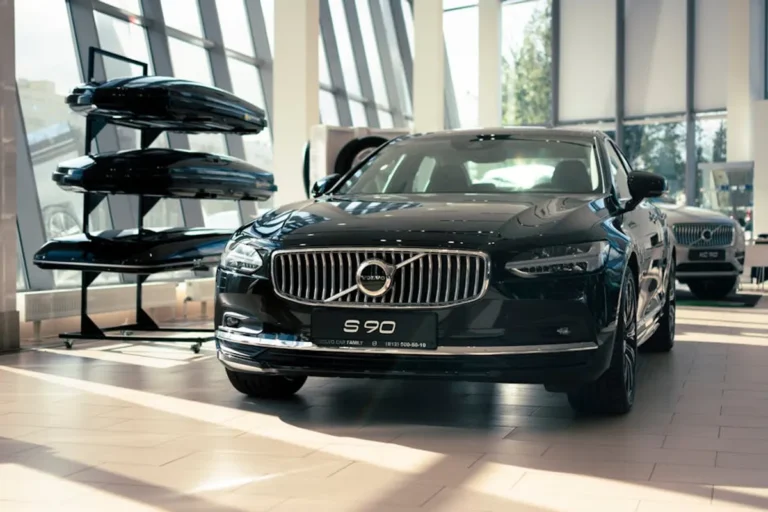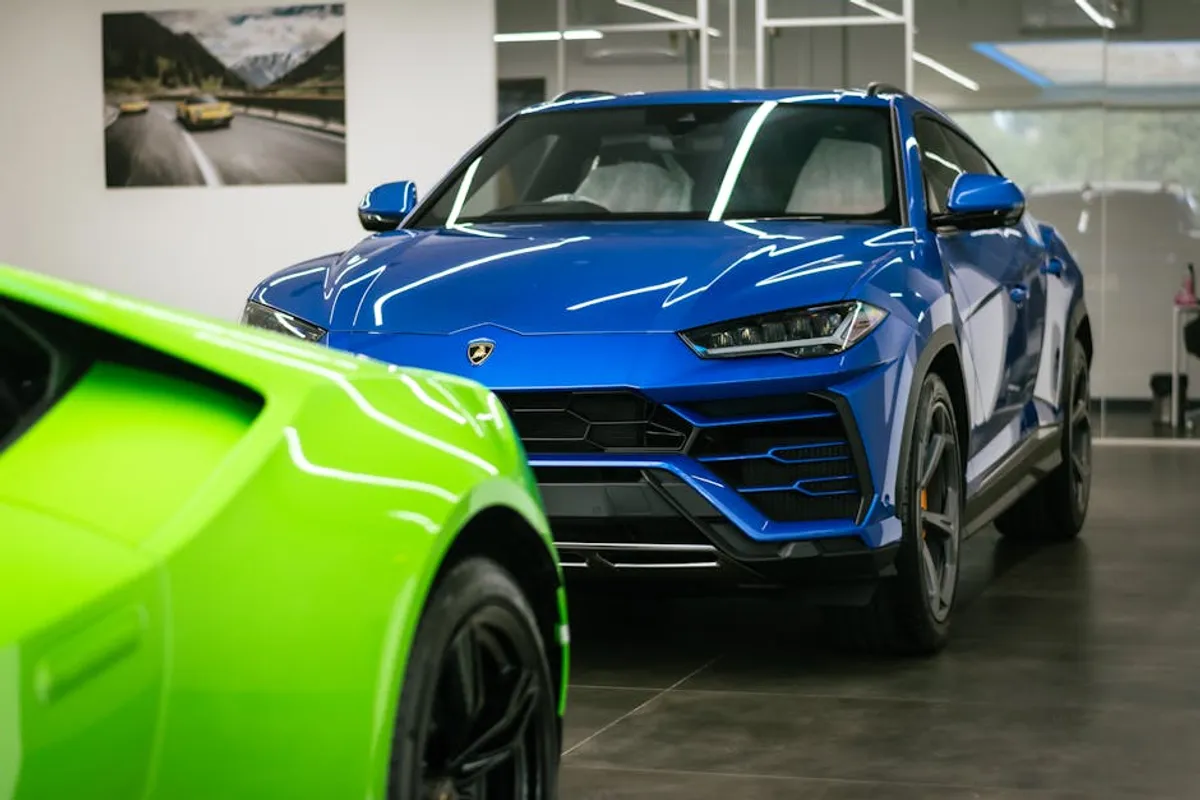
The decision between acquiring a Lamborghini and a used SUV represents a fundamental divergence in automotive priorities: extreme, specialized performance versus broad, practical utility. This choice is less about direct comparison and more about aligning a vehicle with specific lifestyle demands, financial realities, and driving aspirations. Understanding the distinct ownership propositions of each category is crucial for making an informed purchase that satisfies functional needs and personal desires.
Lamborghini: The Pursuit of Uncompromised Performance and Exclusivity
A Lamborghini is engineered for a singular purpose: delivering an exhilarating, track-capable driving experience wrapped in an iconic, aggressive aesthetic. Ownership of such a vehicle is an investment in high-performance engineering and a statement of automotive passion.
Performance and Engineering Prowess
Lamborghini models, whether the V10 Huracán or the V12 Aventador, are defined by their powertrain. These naturally aspirated engines produce upwards of 600 horsepower, enabling acceleration figures like 0-60 mph in under 3 seconds and top speeds exceeding 200 mph. The chassis design prioritizes stiffness, aerodynamic efficiency, and precise handling, often incorporating advanced materials like carbon fiber to minimize weight. The driving experience is visceral, characterized by immediate throttle response, sharp steering, and a distinctive engine note. These vehicles are designed to engage the driver directly with the road, offering minimal insulation from the driving dynamics.
Financial Considerations for Ownership
The financial implications of Lamborghini ownership extend significantly beyond the initial purchase price, which typically ranges from $200,000 to over $500,000 for new models. Insurance premiums are among the highest in the automotive market, reflecting the vehicle's value, performance capabilities, and specialized repair costs. Maintenance is exclusively performed by authorized dealerships using proprietary tools and highly trained technicians, leading to substantial service bills; routine annual maintenance can cost several thousand dollars. Performance tires, critical for handling, wear quickly and are expensive to replace. Fuel consumption is high, requiring premium-grade gasoline. Depreciation can be steep in the initial years, though certain limited-production or historically significant models may retain or even appreciate in value over time.
Ownership Experience and Status
Owning a Lamborghini signifies entry into an exclusive community. The vehicles are often hand-built, with production numbers kept low, contributing to their rarity. Their striking design, often featuring signature elements like scissor doors or sharply creased bodywork, ensures a high level of public visibility. This aspect of ownership is often as significant as the driving performance itself, serving as a social and personal statement. However, practicality is minimal; ground clearance is low, cargo space is limited, and daily usability in urban environments can be challenging due to size, visibility, and firm suspension.
Used SUVs: Versatility, Value, and Practicality
In contrast, a used SUV prioritizes versatility, passenger comfort, and utility. This category encompasses a vast range of vehicles, from compact crossovers to full-size body-on-frame models, offering diverse options for varying needs and budgets.
Versatility and Practical Application
The primary appeal of a used SUV lies in its adaptability. These vehicles typically offer ample passenger seating, often with three rows, and significant cargo capacity, making them suitable for families, hauling gear, or accommodating active lifestyles. Higher ground clearance provides a commanding view of the road and enables navigation over rougher terrain or through adverse weather conditions more effectively than a low-slung sports car. Many SUVs also feature all-wheel drive or four-wheel drive systems, enhancing traction and stability. Towing capability is another key advantage, allowing owners to transport trailers, boats, or recreational vehicles.
Financial Advantages and Accessibility
Opting for a used SUV offers substantial financial benefits, primarily due to depreciation. The initial owner absorbs the steepest depreciation, meaning a used model can be acquired at a significantly lower price point than its new equivalent. A wide range of models are available from $15,000 to $70,000+, depending on age, mileage, and features. Insurance costs are generally lower and more varied, allowing for competitive quotes. Maintenance and repair costs are typically more manageable; parts are widely available, and a broader network of independent mechanics can service these vehicles, often at lower labor rates than specialized dealerships. Fuel economy varies greatly by engine size and type, but many models offer reasonable efficiency, especially those with four-cylinder or hybrid powertrains.
Reliability and Maintenance Considerations
When purchasing a used SUV, reliability becomes a central factor. Many mainstream manufacturers produce SUVs known for their long-term durability, provided they receive regular maintenance. Thorough pre-purchase inspections and reviewing comprehensive service histories are critical to mitigating risks associated with used vehicle ownership. Common maintenance tasks, such as oil changes, tire rotations, and brake pad replacements, are generally straightforward and less costly than for high-performance vehicles. The availability of aftermarket parts and a wider pool of skilled technicians make servicing more accessible and affordable.
Pro Tip: When evaluating a used SUV, prioritize models with complete service records. A clear maintenance history significantly reduces the risk of unexpected, costly repairs, especially for complex systems like transmissions or all-wheel-drive components, ensuring better long-term reliability.
Direct Comparison: Driving Dynamics and Long-Term Value
The driving experience fundamentally differs. A Lamborghini provides an intense, focused, and often uncomfortable ride for daily commutes, prioritizing responsiveness and speed. Its low-slung nature makes entry and exit challenging, and its limited visibility can be a hindrance in traffic. Conversely, a used SUV offers a more relaxed, comfortable ride, often with ample sound insulation and advanced driver-assistance features that enhance daily usability. The elevated driving position improves visibility, and the softer suspension absorbs road imperfections more effectively.
From a long-term value perspective, a Lamborghini can be seen as a luxury asset, with specific rare models potentially appreciating, though most will depreciate significantly. Its value is tied to exclusivity, performance, and brand prestige. A used SUV, however, is primarily a utility asset. While it will continue to depreciate, the rate is often slower than a new vehicle, and its value is derived from its ongoing practicality, reliability, and ability to serve diverse functional needs.
Consider these points when making your decision:
- Primary Use Case: Is it for weekend performance driving and track days, or daily commuting, family transport, and utility?
- Budget Allocation: Beyond purchase price, how much are you prepared to spend on insurance, fuel, and maintenance annually?
- Lifestyle Integration: Does the vehicle need to fit into a practical, multi-purpose lifestyle, or is it an indulgence for specific occasions?
- Image and Statement: What does the vehicle communicate about your priorities and preferences?
Making Your Informed Vehicle Choice
The choice between a Lamborghini and a used SUV is a stark contrast between aspirational performance and pragmatic utility. If your priority is unadulterated speed, exotic design, and an exclusive ownership experience, and you are prepared for the substantial financial commitment and practical compromises, a Lamborghini delivers that unique thrill. However, if your needs lean towards versatility, passenger and cargo capacity, all-weather capability, and a more accessible, cost-effective ownership experience, a used SUV provides a robust and adaptable solution. Evaluate your personal priorities and financial capacity to determine which vehicle best serves your specific requirements.
Frequently Asked Questions
Is a Lamborghini a good daily driver?
Lamborghinis are generally not considered practical daily drivers due to their low ground clearance, limited visibility, firm suspension, small cargo capacity, and high running costs. They excel as weekend cars or for specialized driving experiences.
What are the main financial benefits of buying a used SUV?
The primary financial benefits include a significantly lower purchase price due to depreciation absorption, more affordable insurance, lower maintenance costs due to widely available parts and service options, and often better fuel economy compared to high-performance vehicles.
Do Lamborghinis hold their value?
While some limited-production or historically significant Lamborghini models can appreciate, most will experience significant depreciation, particularly in the first few years. Their value retention is highly dependent on rarity, condition, and market demand for specific models.
What should I look for when buying a used SUV?
Key considerations include a comprehensive pre-purchase inspection by an independent mechanic, a complete service history, checking for accident damage, evaluating tire and brake wear, and ensuring all electronic features are functional. Researching common issues for the specific make and model is also advisable.